CM Himanta Orders Rethink on Silchar Elevated Corridor
Synopsis
Assam's Chief Minister Himanta Biswa Sarma is evaluating alternative designs for the Silchar elevated corridor, a proposed infrastructure project to ease chronic traffic congestion in the Barak Valley's key commercial city.
Key Takeaways
The Chief Minister's Office of Assam confirmed on 21 November 2026 that the state is assessing alternative plans for the Silchar elevated corridor .
Silchar is the primary commercial and transport hub of Assam's Barak Valley region in southern Assam.
Himanta Biswa Sarma has led Assam's urban connectivity drive since taking office in May 2021 .
The evaluation covers multiple technical options before any final alignment or tendering decision is made.
Key next steps include the outcome of the review, environmental clearances, and the tendering process.
Specific alternative plans under consideration and project timelines have not been officially disclosed.
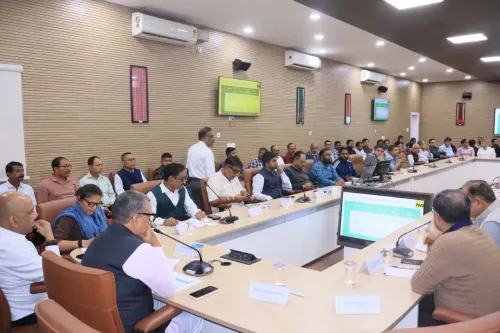
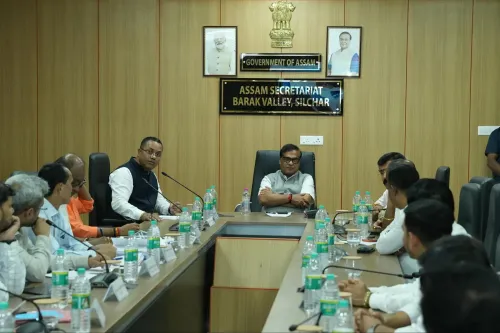
Traffic in Silchar — the commercial heartbeat of Assam's Barak Valley — has long tested the patience of commuters and stifled the city's growth potential. Now, the Chief Minister's Office of Assam has confirmed on Saturday, 21 November 2026 that the state is actively evaluating alternative plans for the proposed Silchar elevated corridor, signalling a fresh round of technical scrutiny before any final alignment is locked in.
Why Silchar's traffic problem demands an elevated fix
Silchar is no ordinary Assam town. As the principal city of the Barak Valley, it functions as a commercial and transport hub for southern Assam and serves as a critical gateway to the broader Northeast India corridor. Its road network, however, has struggled to keep pace with growing urban density — making a grade-separated elevated corridor one of the most discussed solutions among planners and local stakeholders alike.
The congestion challenge is compounded by the city's geography: Silchar sits in a flood-prone river basin, which constrains surface road expansion and makes elevated infrastructure particularly attractive — but also technically complex and expensive to design.
Alternative plans on the table: what the evaluation means
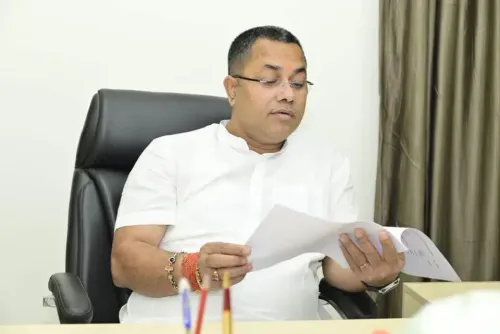
Chief Minister Dr. Himanta Biswa Sarma, who has anchored Assam's urban connectivity agenda since taking office in May 2021, is now overseeing a structured review of multiple technical options before the state commits to a final project design. This kind of pre-tender evaluation — weighing alignment choices, structural approaches, and cost profiles — is standard practice for elevated corridor projects, but it also signals that the original proposal may need recalibration.
Assam has pursued road and urban mobility upgrades across secondary cities in parallel with larger projects centred on Guwahati. The Silchar corridor, if approved and tendered, would represent one of the more significant infrastructure investments in the Barak Valley in recent years.
What Silchar commuters and businesses are waiting for
For daily commuters and local businesses, the evaluation phase is both encouraging and familiar — infrastructure projects in smaller Indian cities often cycle through multiple rounds of planning before shovels hit the ground. The key milestones to watch now are the outcome of the alternative plan review, any subsequent environmental clearances, and the eventual tendering process.
The state government has not disclosed the specific alternatives under consideration or a timeline for finalising the design — meaning residents will be watching closely for the next official signal from CM Sarma's office.
Silchar has waited long enough. The question now is whether this evaluation ends in a blueprint — or another delay.
Point of View
Which has historically felt peripheral to the state's development narrative. By publicly flagging an evaluation of alternatives rather than pushing ahead with the original design, the government is signalling fiscal prudence and technical diligence, but it also risks extending a planning cycle that commuters have already waited years for. If the review concludes swiftly and leads to tendering, it could become a tangible demonstration of the state's commitment to balanced regional development ahead of future electoral cycles.
NationPress
21 Nov 2026
Frequently Asked Questions
What is the Silchar elevated corridor project?
The Silchar elevated corridor is a proposed infrastructure project in Silchar, Assam, designed to reduce traffic congestion in the city through an elevated roadway. The Assam government is currently evaluating multiple alternative plans before finalising a design.
Why is Silchar facing traffic congestion?
Silchar is the main commercial and transport hub of Assam's Barak Valley, and its road network has not kept pace with growing urban density. The city's flood-prone river basin geography also limits surface road expansion, making congestion a persistent challenge.
What is CM Himanta Biswa Sarma's role in the Silchar corridor project?
Chief Minister Dr. Himanta Biswa Sarma is overseeing the evaluation of alternative plans for the Silchar elevated corridor. He has led Assam's urban connectivity agenda since taking office in May 2021.
When will the Silchar elevated corridor be built?
No official timeline has been announced. The state is currently in an evaluation phase for alternative designs; next steps would include finalising a plan, obtaining environmental clearances, and initiating a tendering process.
What are the alternative plans being considered for the Silchar elevated corridor?
The specific alternative plans under consideration have not been officially disclosed by the Assam government. The evaluation is focused on technical options including alignment choices and structural approaches.