CM Himanta Sends 123 kg Assam Agarwood to Dubai

Synopsis
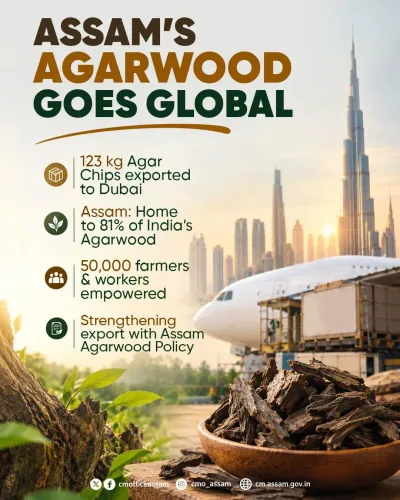
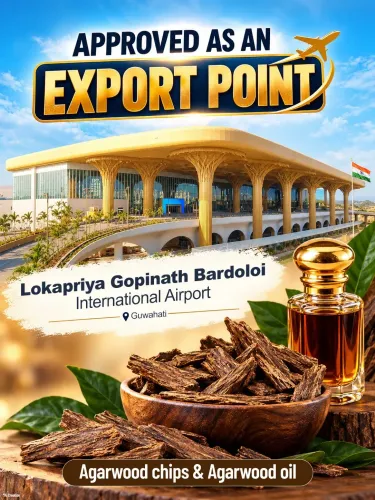
Assam CM Himanta Biswa Sarma announces the export of 123 kg of agarwood chips worth ₹2.58 crore to Dubai, marking a milestone in the state's push to open premium global markets for its heritage forest produce and rural growers.
Key Takeaways
123 kg of agarwood chips worth ₹2.58 crore exported from Assam to Dubai .
The shipment represents roughly ₹2.1 lakh per kilogram — a premium price point transforming smallholder incomes.
Assam has run state-backed cultivated agarwood plantation programmes since the 2010s to meet CITES compliance and shift away from wild harvesting.
Dubai serves as a global re-export hub linking Assam's growers to GCC, European and Asian buyers.
The move fits Assam's broader strategy to diversify its economy beyond tea, oil and coal using biodiversity-based products.
Next milestones to watch: state export data and potential UAE or GCC trade MoUs for herbal and wood products.
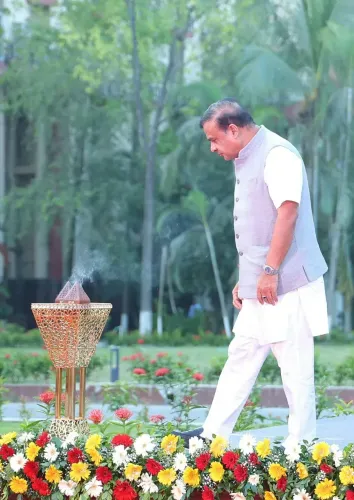
A fragrant piece of Assam's forest heritage has just landed in one of the world's most demanding luxury markets. Assam Chief Minister Himanta Biswa Sarma announced on Saturday, 7 November 2026 that 123 kg of agarwood chips worth ₹2.58 crore have been exported to Dubai — a milestone the Chief Minister framed not as a trade statistic, but as a growers' story made global.
Assam's 'liquid gold' finds a Gulf address
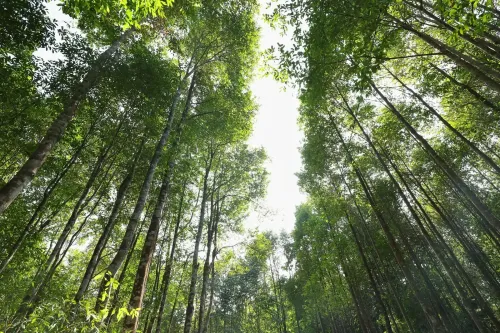
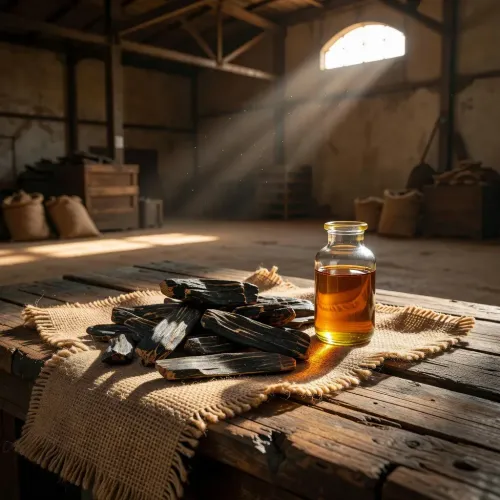
Agarwood — harvested from Aquilaria trees native to the Northeast — is among the world's most coveted aromatic commodities, prized across the Gulf, Southeast Asia and East Asia for perfumery, incense and traditional medicine. Assam sits on one of the planet's richest natural reserves of the species, and the state has run cultivated plantation programmes since the 2010s precisely to shift production away from wild extraction while complying with international wildlife-trade norms under CITES.
Dubai is a natural first port of call. The emirate is a global re-export hub for luxury wood and herbal products, connecting Indian producers to buyers across the GCC, Europe and beyond. Getting a certified, graded shipment into that pipeline is a proof-of-concept with consequences far larger than ₹2.58 crore.
From plantation to export — the policy bet paying off
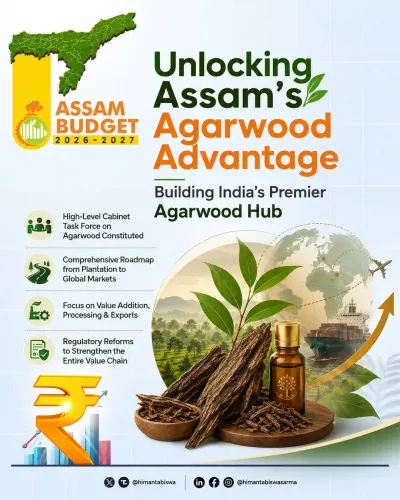
For years, Assam's agarwood wealth sat largely unrealised — growers struggling to reach buyers who could value the product properly, and wild stocks under pressure from illegal trade. The state-backed push toward cultivated, traceable agarwood was a long game: invest in plantations, build compliance frameworks, then open premium export channels. This shipment signals that the pipeline is functional.
CM Sarma has consistently positioned Assam's biodiversity — tea, silk, bamboo, agarwood — as economic engines for rural households, not just heritage talking points. The Dubai consignment fits squarely within a broader Northeast strategy of linking traditional crops to Gulf and Southeast Asian demand centres, mirroring efforts by other hill states to monetise indigenous produce at premium price points.
What ₹2.58 crore really represents
The rupee value matters less than the rate it implies: 123 kg fetching ₹2.58 crore works out to roughly ₹2.1 lakh per kilogram — a price point that transforms a forest-edge smallholding into a genuinely viable livelihood. That is the arithmetic of economic diversification beyond Assam's traditional anchors of tea, oil and coal.
The next markers to watch are state export data for the full fiscal year and any formal trade arrangements with UAE or other GCC states targeting herbal and wood products — deals that could regularise and scale what is, for now, a headline-making but still modest first shipment.
Assam's forests have always been worth something. The question was always whether the people tending them would see it. This export says the answer is finally yes.
Point of View
Reducing dependence on volatile commodity anchors like tea and crude oil. The compliance angle — cultivated, CITES-traceable agarwood replacing wild extraction — also positions Assam favourably for EU and UK sustainability-linked trade frameworks that are reshaping global commodity standards. Whether this remains a symbolic first shipment or the seed of a scalable industry hinges on sustained state investment in grading, certification and direct-to-buyer logistics infrastructure.
NationPress
7 Nov 2026
Frequently Asked Questions
What is agarwood and why is it valuable?
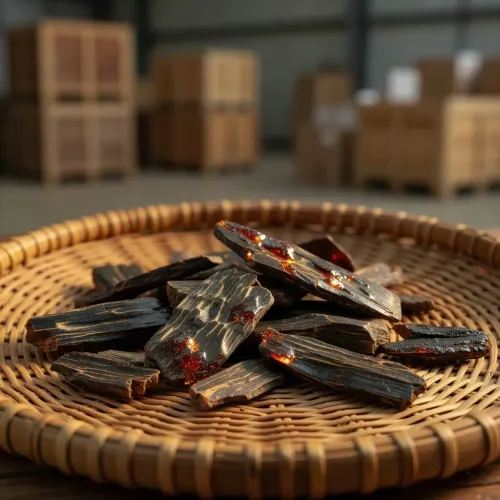
Agarwood is a dark, resinous heartwood produced by Aquilaria trees in response to fungal infection. It is among the world's most expensive natural materials, used in luxury perfumes, incense and traditional medicine — with high demand across the Gulf, East Asia and Europe.
How much agarwood did Assam export to Dubai?
Assam exported 123 kg of agarwood chips worth ₹2.58 crore to Dubai, as announced by Chief Minister Himanta Biswa Sarma on 7 November 2026.
Why is Assam known for agarwood?
Assam is home to one of the world's richest natural reserves of Aquilaria trees, the source of agarwood. The state has promoted cultivated plantation programmes since the 2010s to build a sustainable, export-ready industry while complying with international wildlife-trade rules.
Why is Dubai a key market for Indian agarwood?
Dubai is a global re-export hub for luxury commodities and a major consumer market for oud-based perfumery. It connects Indian producers to buyers across the GCC, Europe and Asia, making it a strategic entry point for premium agarwood exports.
What is Assam's broader export strategy for heritage products?
Assam is positioning biodiversity-based products — agarwood, silk, bamboo and tea — as premium export earners to diversify its economy beyond oil and conventional agriculture, mirroring similar efforts by other Northeast Indian states to tap Gulf and Southeast Asian demand.