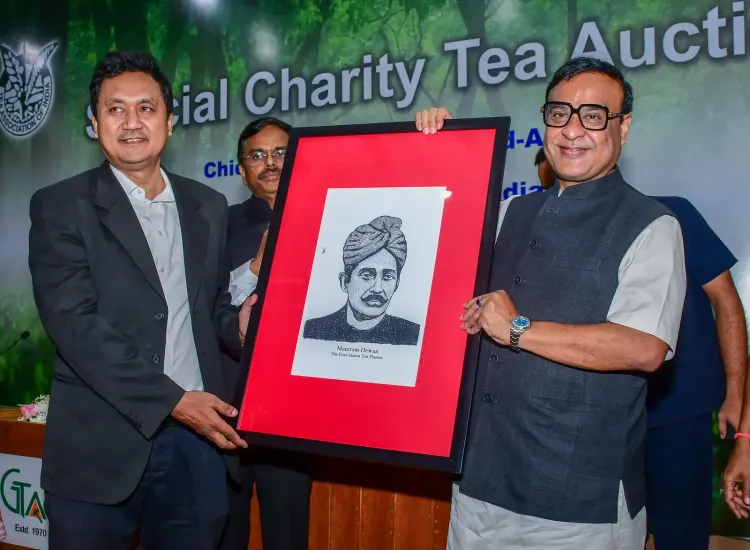
Assam tea turns 200: CM Sarma unveils Maniram Dewan bust in Guwahati
Synopsis
As Assam steps into its third century of tea, Chief Minister Himanta Biswa Sarma chose the Gauhati Tea Auction Centre to unveil a bust of Maniram Dewan — a man who was simultaneously the first prominent Indian tea entrepreneur and a rebel executed by the British in 1858. The bicentennial is as much about unfinished reckonings with colonial history as it is about celebrating a globally iconic brew.
Key Takeaways
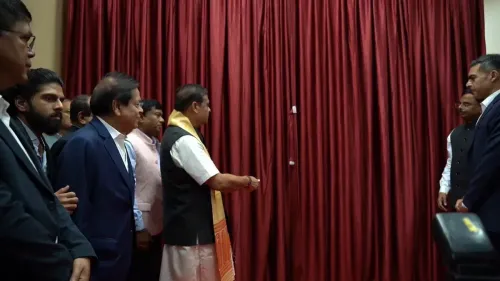
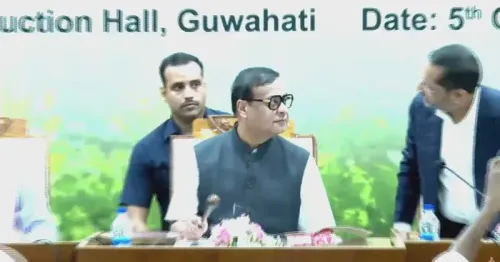
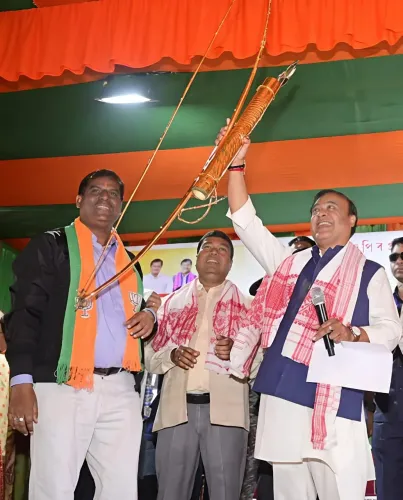
Assam Chief Minister Himanta Biswa Sarma unveiled a bust of Maniram Dewan at the Gauhati Tea Auction Centre on 5 October 2026 .
The event marked 200 years of Assam's association with commercial tea cultivation.
Maniram Dewan , born Maniram Datta Baruah , is recognised as one of India's first indigenous tea planters and a freedom fighter executed by the British in 1858 .
Dewan supported efforts to restore the Ahom monarchy during the 1857 uprising against British colonial rule.
Sarma invoked the state's 'Vikas and Virasat' philosophy, underscoring development alongside cultural preservation.
The bicentennial has renewed focus on tea workers, growers, and communities who have sustained Assam's globally renowned tea industry.
Assam Chief Minister Himanta Biswa Sarma on Monday, 5 October 2026, unveiled a bust of Maniram Dewan — widely regarded as one of India's earliest indigenous tea planters and a celebrated freedom fighter — at the Gauhati Tea Auction Centre in Guwahati, marking a landmark 200 years of Assam's tea heritage. The ceremony placed the pioneering entrepreneur at the symbolic heart of a state that supplies a significant share of the world's black tea.
The Tribute and What Was Said
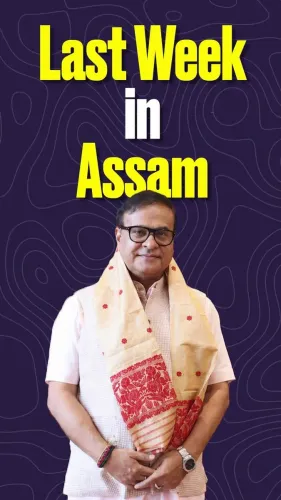
Addressing the gathering, Chief Minister Sarma framed the event as an act of institutional recognition. 'As Assam celebrates 200 years of Assam Tea, we should honour the first Indian tea planter and freedom fighter, Maniram Dewan,' he said in a post on X after attending the programme. He added that the unveiling of the bust at the Gauhati Tea Auction Centre was a fitting tribute to Dewan's enduring legacy.
Sarma also invoked the state government's governing philosophy, saying, 'In Assam, we continue to honour Vikas and Virasat' — a phrase the administration uses to signal its dual commitment to economic development and the preservation of historical and cultural heritage.
Who Was Maniram Dewan
Born Maniram Datta Baruah, Dewan is remembered as a pioneering figure who broke into an industry almost entirely controlled by British commercial interests in the 19th century. He initially engaged with the British administration, gaining proximity to the fledgling tea enterprise before establishing his own gardens — a move that was extraordinary for an Indian entrepreneur of that era.
His legacy, however, extends well beyond commerce. During the 1857 uprising, Dewan actively supported efforts to restore the Ahom monarchy in Assam and sought to challenge British colonial authority. He was subsequently arrested by the British and executed in 1858, cementing his place as an enduring symbol of Assam's resistance to colonial rule.
Two Centuries of Assam Tea
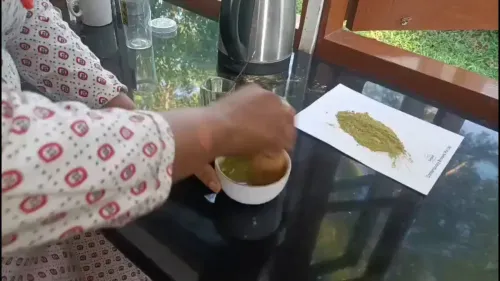
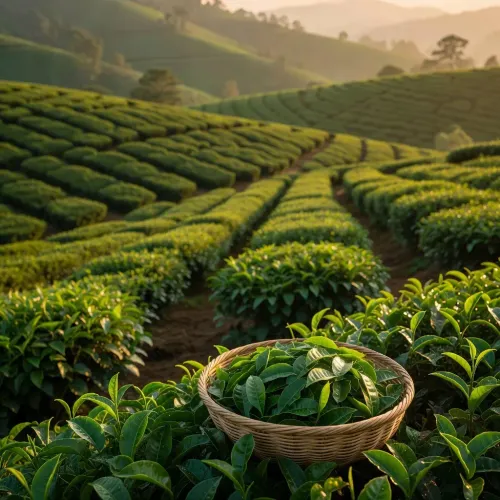
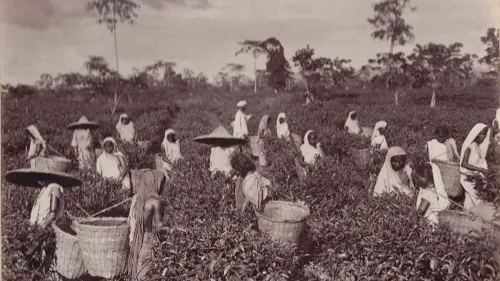
Assam's commercial tea industry traces its origins to the early 19th century, when indigenous tea plants were first identified in the region. The British developed these discoveries into large-scale plantations, and Assam gradually emerged as one of the world's foremost tea-producing zones, known globally for its strong character, distinctive flavour, and unique malty aroma.
Over two centuries, the industry has become a cornerstone of the state's economy and a major source of employment for millions across the Brahmaputra Valley. This comes amid growing acknowledgement of the contributions made by tea workers, smallholder growers, and entire communities who have sustained the sector across generations.
Significance of the Venue and the Moment
The choice of the Gauhati Tea Auction Centre as the site for the bust was itself symbolic — it is the commercial nerve centre through which Assam tea reaches both domestic and global markets. Linking Dewan's legacy to this institution underscores the state government's intent to weave together the strands of entrepreneurship, resistance, and cultural identity as Assam steps into its third century of tea.
The bicentennial milestone has also renewed calls for greater recognition of Assam tea's global brand value and for improved welfare measures for the estate workforce that underpins it. How those conversations translate into policy will be closely watched in the months ahead.
Point of View
But the choice of Maniram Dewan as its centrepiece carries genuine historical weight — here was a man who built an industry and then died resisting the very empire that enabled it. What is less clear is whether the commemoration will translate into tangible gains for the millions of tea garden workers whose welfare indices remain among the lowest in organised labour in India. Honouring Dewan's 'Virasat' while leaving the structural inequities of estate labour unaddressed would be a selective reading of his legacy. The bicentennial is an opportunity; whether it becomes a policy moment is the real question.
NationPress
5 Oct 2026
Frequently Asked Questions
Why did Assam celebrate 200 years of tea in 2026?
Assam marked the bicentennial of its tea industry in 2026, commemorating roughly two centuries since indigenous tea plants were first identified in the region and commercial cultivation began to take shape in the 19th century. The milestone has renewed focus on the industry's economic, cultural, and historical significance to the state.
Who was Maniram Dewan and why is he significant?
Maniram Dewan, born Maniram Datta Baruah, is regarded as one of the first prominent Indian entrepreneurs to establish tea gardens in Assam at a time when the industry was dominated by British interests. He is also remembered as a freedom fighter who supported the restoration of the Ahom monarchy during the 1857 uprising and was executed by the British in 1858.
Where was the bust of Maniram Dewan unveiled?
The bust was unveiled at the Gauhati Tea Auction Centre in Guwahati, Assam, on 5 October 2026. The venue is the principal commercial hub through which Assam tea reaches domestic and international markets, making it a symbolically significant location for the tribute.
What did CM Himanta Biswa Sarma say at the event?
Chief Minister Sarma said the tribute recognised Dewan's contribution to Assam's tea industry and his place in the state's history. He posted on X: 'As Assam celebrates 200 years of Assam Tea, we should honour the first Indian tea planter and freedom fighter, Maniram Dewan.' He also invoked the state's 'Vikas and Virasat' philosophy, emphasising development alongside cultural heritage.
What is the significance of the Gauhati Tea Auction Centre?
The Gauhati Tea Auction Centre is the key commercial venue through which Assam tea is traded and reaches global markets. Hosting the bust unveiling there was intended to link Maniram Dewan's pioneering legacy directly to the living industry he helped initiate, connecting historical memory with present-day commerce.