Assam CM Office: July Power Bills Waived for Flood-Hit Homes

Synopsis
The Chief Minister's Office of Assam announced on August 2, 2026 that July electricity bills will be waived for domestic consumers using up to 300 units in two flood-affected districts, offering direct financial relief during monsoon recovery.
Key Takeaways
Assam has waived July 2026 electricity bills for flood-hit households in two districts .
The waiver applies to domestic consumers with monthly consumption up to 300 units .
The announcement was made by the Chief Minister's Office of Assam on August 2, 2026 .
The relief targets lower and middle-income households most vulnerable to post-flood financial stress.
The measure follows Assam's established practice of deploying targeted utility relief during annual monsoon flood events.
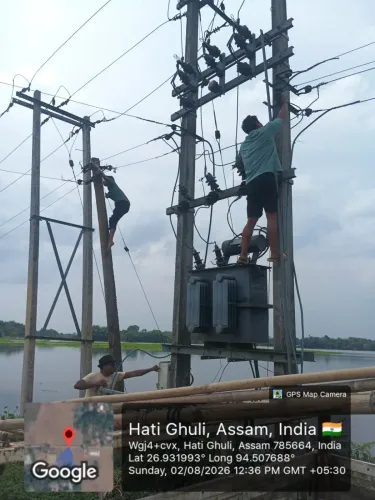
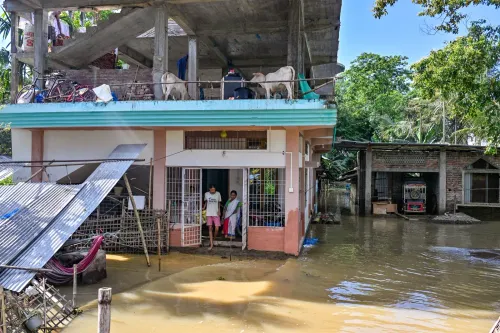
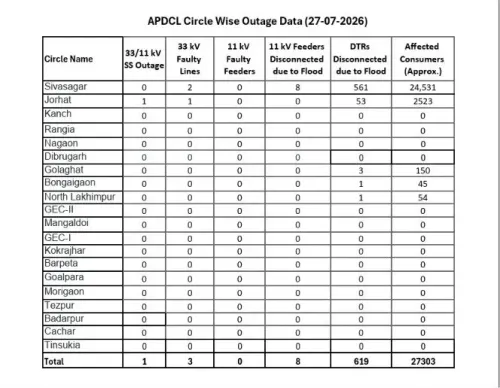
When floodwaters recede, the bills do not — but Assam is changing that calculus for households in two districts hit hardest this monsoon season. The Chief Minister's Office of Assam announced on Sunday, August 2, 2026 that electricity bills for July will be waived for domestic consumers using up to 300 units in the flood-affected districts.
What the waiver covers
The relief applies to residential electricity consumers in the two identified districts whose July billing cycle consumption did not exceed 300 units — a threshold that covers the vast majority of ordinary households. For families already grappling with damaged property, lost livelihoods, and disrupted daily life, the waiver removes one immediate financial pressure point during the recovery window.
Assam's annual flood burden and the relief playbook
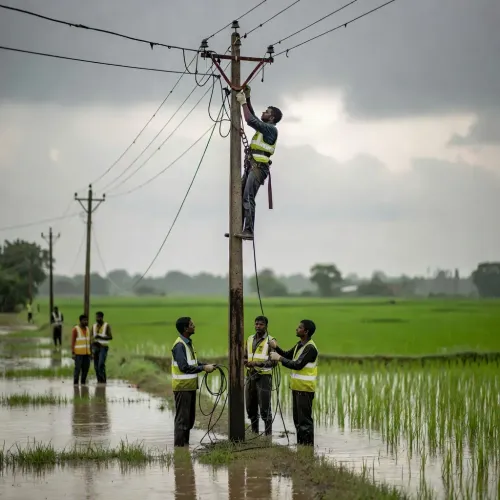
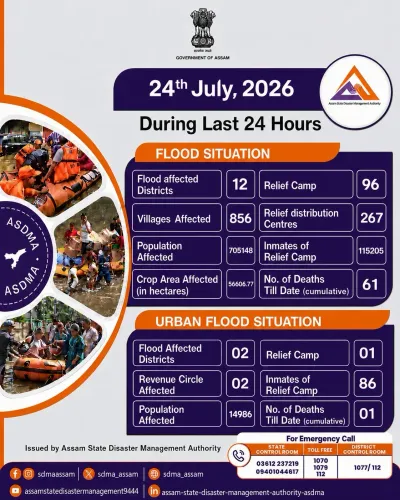
Assam is one of India's most flood-prone states, with the Brahmaputra river and its tributaries inundating large swathes of the state every monsoon. The cycle is punishing and predictable: rising waters, displacement, crop loss, and then the long, expensive climb back to normalcy. In response, the state government has periodically deployed targeted welfare measures — utility waivers among them — as part of its standard disaster-relief toolkit. This announcement follows that established pattern, directing relief specifically at the household level rather than through broader infrastructure spending alone.
Why a utility waiver matters in disaster recovery
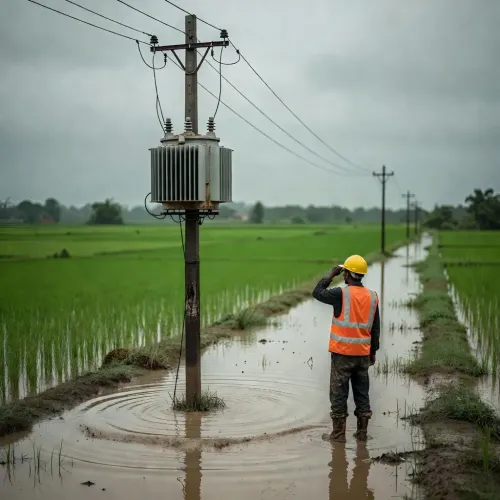
Electricity bill waivers during disaster periods serve a dual purpose. They provide direct, immediate cash-flow relief to affected families without requiring them to file claims or navigate bureaucratic processes. They also prevent the accumulation of arrears that can lead to disconnections — a particular risk for households whose income has been disrupted by flooding. Limiting the waiver to consumers under 300 units ensures the benefit is targeted at lower and middle-income households rather than high-consumption users.
Point of View
Visible, and administratively light. By capping the benefit at 300 units, the government signals fiscal discipline while maximising political goodwill among the households most likely to be flood-affected. Within Assam's broader governance arc under Chief Minister Himanta Biswa Sarma, such targeted relief announcements reinforce a pattern of rapid-response optics during crisis periods. The key test, as always, will be implementation speed — whether the waiver reaches bills before disconnection notices do.
NationPress
16 Sept 2026
Frequently Asked Questions
Which districts in Assam have had July electricity bills waived due to floods?
The Chief Minister's Office of Assam announced the waiver for two flood-affected districts, though the specific district names were not detailed in the official post. Residents should check with their local electricity distribution office for confirmation.
Who is eligible for the Assam electricity bill waiver for flood-affected areas?
Domestic households in the two identified flood-hit districts whose electricity consumption in July did not exceed 300 units are eligible for the bill waiver.
When was the Assam flood electricity bill waiver announced?
The waiver was announced by the Chief Minister's Office of Assam on Sunday, August 2, 2026.
Does the Assam electricity waiver apply to commercial or industrial consumers?
Based on the announcement, the waiver is for domestic consumers only, with a cap of 300 units, which typically covers residential households rather than commercial or industrial users.
Does Assam regularly provide electricity relief during floods?
Yes. Assam experiences severe annual monsoon flooding from the Brahmaputra river and has a pattern of announcing targeted welfare measures, including utility relief, as part of its standard disaster response during flood season.