Sonowal hails Rupamoni Gorh, Assam's first Everest woman
Synopsis
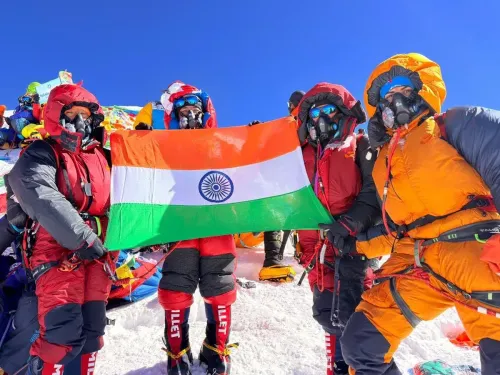
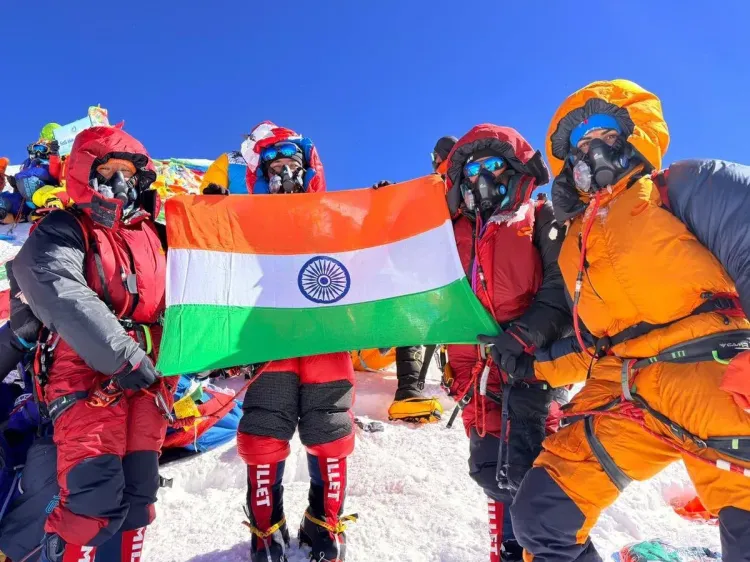
Rupamoni Gorh has become the first woman from Assam to summit Mount Everest, climbing with the ITBP All-Women Expedition. Union Minister Sarbananda Sonowal hailed her feat as a triumph of Nari Shakti that has brought glory to Assam and inspired the nation.
Key Takeaways
Rupamoni Gorh is the first woman from Assam to successfully summit Mount Everest .
She climbed as part of the ITBP All-Women Expedition , fielded by the Indo-Tibetan Border Police.
Union Minister Sarbananda Sonowal , a former Chief Minister of Assam, publicly congratulated her on 23 May 2026 .
The achievement adds to a lineage of Indian women mountaineers dating to Bachendri Pal's historic Everest summit in 1984 .
The feat may open pathways to national sports or gallantry award recommendations for Gorh and her teammates.
Union Minister of Ports, Shipping and Waterways Sarbananda Sonowal on Saturday, 23 May 2026 congratulated Rupamoni Gorh on becoming the first woman from Assam to successfully summit Mount Everest, calling her achievement a shining example of Nari Shakti (women's power).
Context
Rupamoni Gorh reached the summit of Mount Everest as part of the Indo-Tibetan Border Police (ITBP) All-Women Expedition, a historic all-women team fielded by one of India's central armed police forces. Her ascent marks the first time a woman from Assam has stood atop the world's highest peak, a milestone that has drawn congratulations from leaders across the country.
Sonowal, himself a former Chief Minister of Assam, described Gorh as having 'brought immense glory to Assam and inspired the entire nation.' The minister's message underscores the personal and political significance of the achievement for the northeastern state.
Policy Backdrop
India's relationship with high-altitude mountaineering and women's participation in it stretches back decades. Bachendri Pal became the first Indian woman to summit Mount Everest in 1984, setting a national precedent that successive generations of women mountaineers have built upon.
The ITBP, which operates under the Ministry of Home Affairs and is tasked with guarding India's borders with Tibet, has periodically mounted expeditions to high-altitude peaks to build institutional capacity and raise public awareness of women's roles in uniformed services. All-women expeditions by paramilitary organisations have become a visible instrument of the broader Nari Shakti policy narrative promoted by the central government.
Stakeholders and Impact
For Assam, Gorh's summit carries particular resonance: the northeastern state had not previously recorded a women's Everest ascent, and her success fills that gap in the region's sporting and adventure history. Women mountaineers and ITBP personnel across the country stand to benefit from the heightened visibility that such milestones bring to careers in high-altitude climbing.
Cross-ministerial congratulations — here from a minister whose portfolio covers ports and waterways rather than sports or home affairs — reflect the established practice of national leaders amplifying individual achievements that align with government-promoted themes of women's empowerment. Such public recognition can also feed into future recommendations for national sports honours or gallantry awards for expedition members.
What's Next
Attention will now turn to whether Rupamoni Gorh and her ITBP teammates receive formal recognition through the national awards system, including possible nominations under sports or gallantry categories. Future expedition announcements by the ITBP or the Indian Mountaineering Foundation will also be watched as indicators of sustained institutional commitment to women's high-altitude programmes.
Gorh's achievement sets a new benchmark for women athletes and adventurers from Assam and the broader Northeast, a region that has historically produced exceptional sporting talent but remains underrepresented in mainstream mountaineering narratives.
Point of View
Emotionally resonant proof-points for that narrative. Sonowal's congratulatory post, crossing portfolio lines, is consistent with a pattern in which BJP leaders collectively amplify achievements that reinforce the party's women's empowerment messaging. The absence of a prior Everest summit by an Assam woman makes Gorh's achievement a regional milestone that carries additional political salience for leaders with roots in the Northeast.
NationPress
20 Sept 2026
Frequently Asked Questions
Who is Rupamoni Gorh?
Rupamoni Gorh is a mountaineer from Assam who became the first woman from the state to summit Mount Everest, climbing as part of the ITBP All-Women Expedition in May 2026.
Which expedition did Rupamoni Gorh climb with?
She climbed as part of the Indo-Tibetan Border Police (ITBP) All-Women Expedition, a historic all-women team fielded by the central armed police force.
Why is Rupamoni Gorh's Everest climb historic?
No woman from Assam had previously recorded a successful Mount Everest summit, making Gorh's ascent a first for the northeastern state.
Who is Sarbananda Sonowal and why did he congratulate her?
Sarbananda Sonowal is India's Union Minister of Ports, Shipping and Waterways and a former Chief Minister of Assam. He congratulated Gorh both as a national leader and as someone with deep ties to Assam.
Could Rupamoni Gorh receive a national award for this achievement?
It is possible. Achievements of this nature by members of paramilitary expeditions can lead to recommendations for national sports honours or gallantry awards, though no formal announcement has been made.