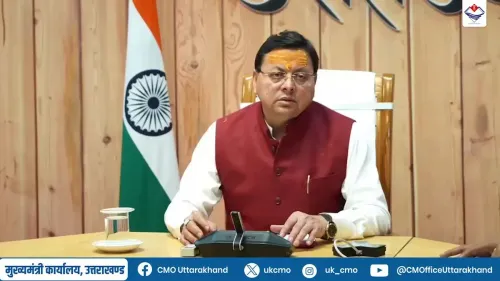
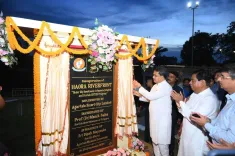
Uttarakhand CM Office: Kutki farmer Daya Danu wins Teelu Rauteli Award
Synopsis
The Chief Minister's Office of Uttarakhand has honoured Bageshwar farmer Daya Danu with the Teelu Rauteli Award for his role in advancing Kutki millet cultivation, highlighting the state's sustained push to revive indigenous, climate-resilient crops in its hilly districts.
Key Takeaways
Daya Danu of Bageshwar district has been conferred the Teelu Rauteli Award by the Uttarakhand government.
The award recognises his contributions to Kutki cultivation, an indigenous small millet suited to Himalayan conditions.
The CM's Office credited government incentives as a key driver behind the flourishing of Kutki production in the region.
India designated 2023 as the International Year of Millets , anchoring national and state-level support for nutri-cereals like Kutki.
Uttarakhand has pursued incentive schemes for indigenous millets and organic farming to support smallholders in hilly districts.
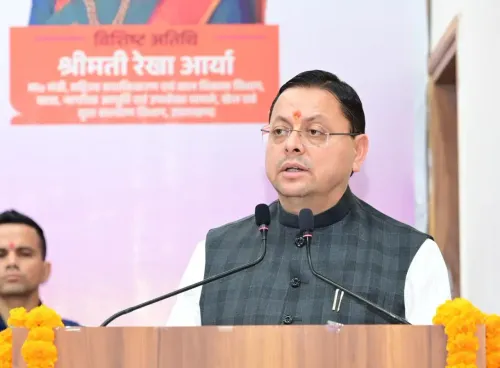
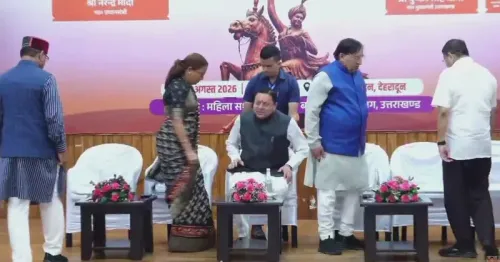
In the high-altitude fields of Bageshwar, a quiet agricultural revival is bearing fruit — and now, official recognition. The Chief Minister's Office of Uttarakhand announced on Saturday, August 8, 2026, that Daya Danu, a farmer from Bageshwar district, has been conferred the Teelu Rauteli Award for his contributions to Kutki cultivation, crediting government incentives for the crop's growing momentum in the region.
The official post declared: 'Sarkar ke protsahan se phal phool raha Kutki utpadan, Daya Danu ji ko mila Teelu Rauteli Puraskar' — 'Kutki production is flourishing with government encouragement; Daya Danu has received the Teelu Rauteli Award.'
What Kutki means for Uttarakhand's hills
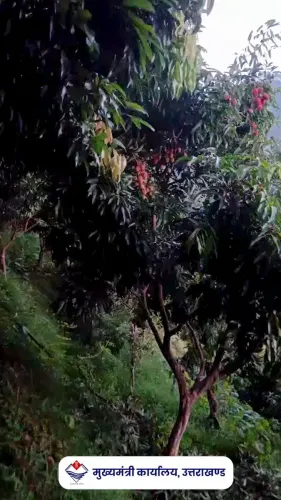
Kutki is an indigenous small millet variety prized for its nutritional density and its natural fit with the Himalayan agro-climatic belt — thin soils, short growing seasons, and erratic rainfall that would defeat most commercial crops. For smallholder farmers in hilly districts like Bageshwar, it represents both food security and a livelihood that does not demand expensive inputs. Uttarakhand has steadily built incentive structures around such indigenous millets and organic practices to keep these farmers viable and maintain crop diversity across its difficult terrain. The push sits squarely within a national policy arc: India designated 2023 as the International Year of Millets, a move that put nutri-cereals like Kutki at the centre of agricultural policy conversations and opened state-level funding channels for their promotion. Uttarakhand's recognition of a grassroots practitioner like Daya Danu is a direct downstream effect of that momentum.The Teelu Rauteli Award and who it honours
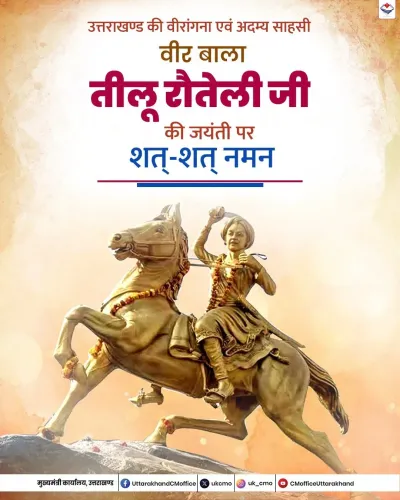
The Teelu Rauteli Award is a state honour named after a celebrated historical figure from Uttarakhand, conferred to spotlight individuals making notable contributions in specific fields. By directing it toward a traditional millet farmer, the state government is making a deliberate statement: that preserving climate-resilient heritage crops is as worthy of formal recognition as more conventionally celebrated achievements. For farmers watching from other hilly districts, the signal is clear — this is work the state values and intends to reward. As district-level millet production data from Bageshwar and the potential expansion of such recognition to other Uttarakhand districts remain to be seen, Daya Danu's award stands as proof that in the mountains, the oldest seeds sometimes carry the sharpest future.Point of View
Price support, and market linkages — without those, recognition alone rarely changes cultivation patterns at scale. This moment is a useful indicator of the state's intent, but its real weight will be measured by what the data from Bageshwar's millet fields shows in the seasons ahead.
NationPress
23 Sept 2026
Frequently Asked Questions
Who is Daya Danu and why did he receive the Teelu Rauteli Award?
Daya Danu is a farmer from Bageshwar district in Uttarakhand recognised for his contributions to Kutki millet cultivation. The Uttarakhand government conferred the Teelu Rauteli Award on him, crediting state incentives for helping Kutki production flourish in the region.
What is Kutki and why is it significant in Uttarakhand?
Kutki is an indigenous small millet variety well-suited to Himalayan agro-climatic conditions — thin soils, short seasons, and variable rainfall. It is valued for its nutritional density and climate resilience, making it an important crop for smallholder farmers in hilly districts like Bageshwar.
What is the Teelu Rauteli Award in Uttarakhand?
The Teelu Rauteli Award is a state honour named after a celebrated historical figure from Uttarakhand, awarded to individuals for notable contributions in specific fields. It is conferred by the Uttarakhand government to highlight exemplary work at the grassroots level.
How does the Kutki millet push connect to national policy?
India designated 2023 as the International Year of Millets , placing traditional nutri-cereals like Kutki at the centre of agricultural policy. Uttarakhand's incentive programmes for indigenous millets align directly with this national push to revive climate-resilient crops.
Which district in Uttarakhand is known for Kutki millet farming?
Bageshwar district in Uttarakhand is among the hilly areas where traditional millet varieties like Kutki are cultivated. The district's terrain and climate are naturally suited to these indigenous crops.