Balochistan chaos lets ISI expand poppy trade targeting India
Synopsis
With Afghanistan's 2022 poppy ban cutting off 95% of the region's opium supply, Pakistan's ISI has quietly rebuilt the trade in Balochistan — and amid the province's violent chaos, Indian intelligence officials warn that a significantly larger drug push into India is now underway across four distinct routes.
Key Takeaways
Pakistan's ISI has made Balochistan the primary poppy cultivation hub following the Afghan Taliban's ban on 3 April 2022 , which eliminated 95% of Afghanistan's crop.
Cultivation is concentrated in Chagan , Chaghi , and Nushki districts, reportedly under ISI and Pakistan Army guidance.
Indian agencies are tracking four trafficking routes : maritime (to Gujarat and Maharashtra), desert land (to Rajasthan), Gulf transit (via Saudi Arabia, Oman, Dubai), and drone drops along the Punjab frontier.
Ongoing BLA-Pakistan Army clashes have created a cover for poppy cultivators to operate unimpeded and distracted international law enforcement.
Pakistan has also reportedly helped Myanmar cartels set up methamphetamine labs, broadening the narcotics threat.
Union Home Minister Amit Shah has directed security agencies to pursue a drug-free India amid the escalating threat.
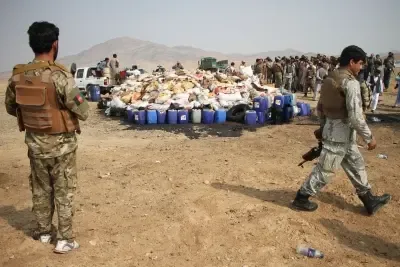
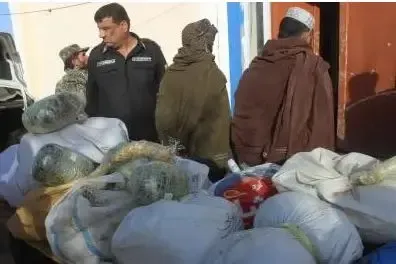
Pakistan's Inter-Services Intelligence (ISI) is exploiting the deteriorating security situation in Balochistan to ramp up poppy cultivation and intensify narcotic flows into India, according to Indian intelligence officials. The development comes as New Delhi pursues one of its most aggressive crackdowns on drug smuggling, raising the stakes in what officials describe as a critical phase of the war against narcotics.
How Balochistan Became the New Poppy Hub
The shift traces back to 3 April 2022, when the Afghan Taliban enforced a ban on poppy cultivation — a move that wiped out an estimated 95 per cent of Afghanistan's crop. Prior to the ban, Afghanistan supplied roughly 80 per cent of the world's opium and 95 per cent of Europe's heroin. With Taliban-Pakistan ties at a historic low and the Afghan supply chain severed, the ISI moved swiftly to restructure the regional opium industry, according to officials.
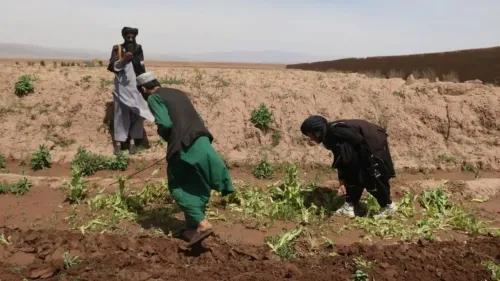
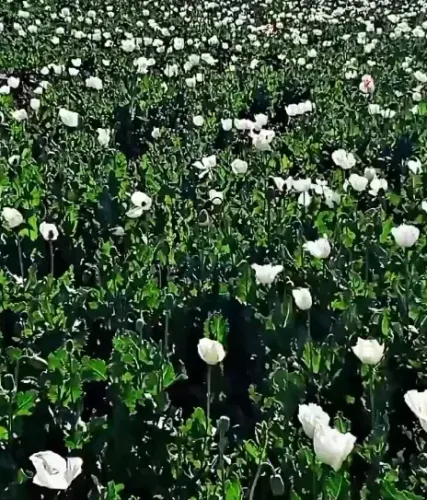
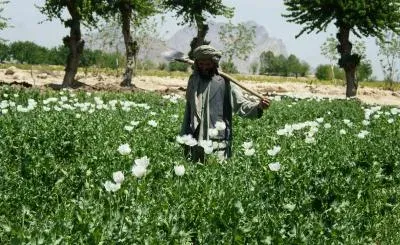
Pakistani authorities reportedly invited Afghan poppy farmers into Balochistan to cultivate the crop and train local growers. Key cultivation zones have reportedly emerged in Chagan, Chaghi, and Nushki districts. Officials say the Pakistan Army has been actively assisting the cartels involved in this trade, alongside the ISI.
Balochistan Violence: A Cover for the Drug Trade
Violent clashes between Pakistan security forces and the Balochistan Liberation Army (BLA) have plunged the province into turmoil. Paradoxically, this chaos has benefited poppy cultivators, who operate largely unimpeded amid the conflict. Officials note that international law enforcement attention has been drawn toward the violence — particularly its impact on Balochistan's minerals deal with the United States and the China-Pakistan Economic Corridor (CPEC) — leaving the drug trade with reduced scrutiny.
An Intelligence Bureau official said the ISI intends to leverage this window to push narcotics into Indian markets in significantly larger volumes. 'The ISI will look to take advantage of this situation and aim for a bigger push into the Indian markets,' the official said.
Four Routes Indian Agencies Are Watching
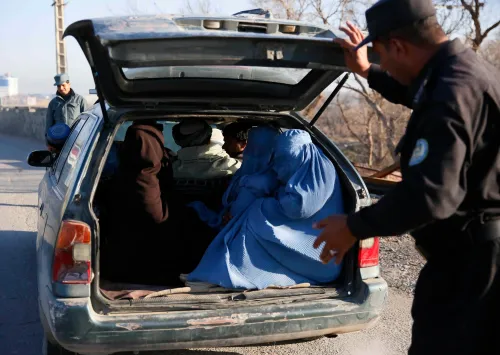
Intelligence inputs have identified four primary trafficking corridors into India. The maritime route is considered the most challenging threat: drugs are loaded onto high-speed boats from Balochistan's coast and moved toward Gujarat and Maharashtra. The desert land route — from Balochistan across to Rajasthan — is another active concern.
A third pathway runs through Gulf states including Saudi Arabia, Oman, and Dubai, from where consignments are routed onward into India. The Punjab frontier, officials warn, remains a persistent pressure point, with ISI-linked cartels deploying satellite-connected drones of increasing payload capacity to drop narcotics across the border.
Myanmar Connection and Methamphetamine Labs
Beyond poppy, officials say Pakistan has aided Myanmar cartels in establishing methamphetamine laboratories. The volatile security environment in Myanmar, combined with Balochistan's instability, is expected to further embolden narcotic networks. 'The deteriorating situation in Balochistan and Myanmar's security situation remaining highly volatile will only lead to narcotic cartels enhancing their trade,' one official said.
India's Counter-Narcotics Push
Union Home Minister Amit Shah has repeatedly directed security agencies to pursue a drug-free India, and the current crackdown reflects that mandate. Officials say Indian law enforcement will need to maintain heightened vigilance across all four identified routes, particularly the maritime corridor, as ISI-backed networks attempt to compensate for the loss of Afghan supply with Balochistan-origin produce at scale.
With the ISI having, according to officials, effectively restructured the South-West Asian opium industry around Balochistan as its operational base, the pressure on Indian border and maritime agencies is expected to intensify in the months ahead.
Point of View
Pakistan did not absorb the loss; it relocated the industry. What is striking is the speed of that restructuring and the military's direct role, according to officials. India's drug crackdown is real, but it is chasing a supply network that is actively being rebuilt at scale. The maritime route remains the most under-resourced frontier in India's counter-narcotics architecture, and that is precisely where the ISI is reportedly concentrating its largest push.
NationPress
14 Jul 2026
Frequently Asked Questions
Why has Balochistan become a major poppy cultivation hub?
Following the Afghan Taliban's ban on poppy cultivation on 3 April 2022 — which wiped out 95% of Afghanistan's crop — the ISI reportedly shifted cultivation to Balochistan, inviting Afghan farmers to grow poppy there and training local growers. Key districts include Chagan, Chaghi, and Nushki.
What routes is the ISI using to push drugs into India?
Indian intelligence officials have identified four routes: a maritime route from Balochistan's coast to Gujarat and Maharashtra via high-speed boats; a desert land route from Balochistan to Rajasthan; a Gulf transit route through Saudi Arabia, Oman, and Dubai; and drone drops across the Punjab frontier using satellite-connected drones.
How does the violence in Balochistan benefit drug traffickers?
Clashes between Pakistan security forces and the Balochistan Liberation Army (BLA) have created a security vacuum that allows poppy cultivators to operate without interference. The violence has also shifted international law enforcement focus toward the conflict and its impact on CPEC and the US minerals deal, reducing scrutiny of the drug trade.
What is India doing to counter the narcotics threat?
Union Home Minister Amit Shah has repeatedly directed security agencies to pursue a drug-free India. Officials say Indian law enforcement must maintain heightened vigilance across all four identified trafficking routes, with particular focus on the maritime corridor, which is considered the most difficult to intercept.
How significant was Afghanistan's role in global opium supply before the ban?
Afghanistan previously supplied approximately 80% of the world's opium and 95% of Europe's heroin. The Taliban's April 2022 ban eliminated an estimated 95% of domestic cultivation, prompting the ISI to restructure the regional opium trade around Balochistan as its new operational base, according to officials.