Balochistan Becomes a New Poppy Cultivation Hotspot: Local Concerns Rise
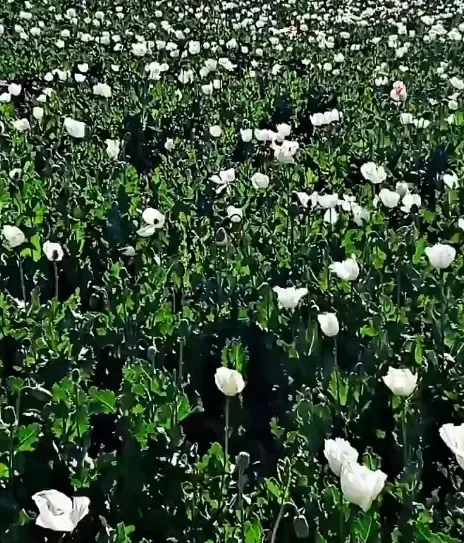
Synopsis
With Balochistan becoming a major center for poppy cultivation, locals are increasingly alarmed at the persistence of this illicit trade, following the Taliban's ban in Afghanistan. Explore the troubling implications for communities and national policy in this deep dive.
Key Takeaways
Balochistan is now a significant center for poppy cultivation.
Communities express concern over the evolving illicit trade.
Pakistan's government has not prioritized addressing this issue.
The rise in poppy farming poses risks, especially for the youth.
Significant narcotics seizures highlight the scale of the problem.
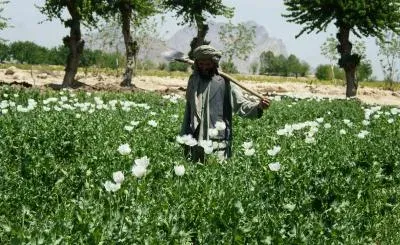
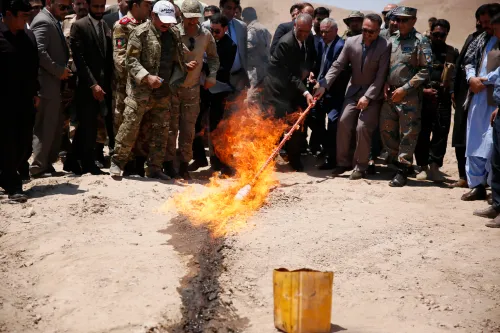
Islamabad, March 6 (NationPress) As Balochistan emerges as a significant center for poppy cultivation in Pakistan, local residents express growing concern that the illicit trade is not diminishing but rather evolving, despite occasional crop destruction efforts.
A recent article from the prominent international publication ‘The Diplomat’ suggests that, following the Taliban’s nationwide prohibition on poppy farming in Afghanistan in April 2022, much of the cultivation activity seems to have relocated to Pakistan, especially in Balochistan.
Even as communities in the province raise alarms, the Pakistan government has yet to prioritize this pressing issue in its policy agenda.
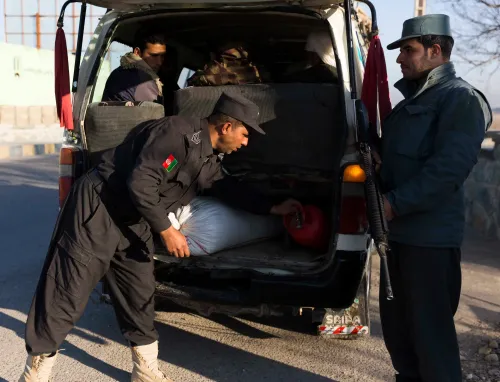
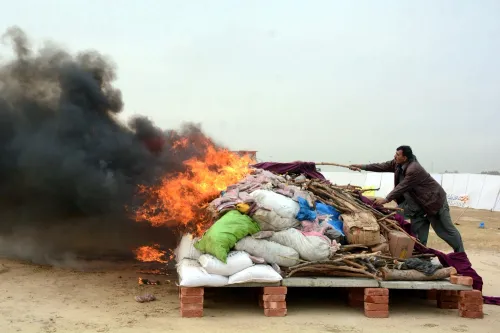
The report states that the Anti-Narcotics Force (ANF) of Pakistan confiscated over 1,350 kilograms of narcotics valued at 77.85 million rupees (approximately $280,000) during a series of operations nationwide in early February. These operations resulted in the arrest of nine individuals, prompting further investigations.
According to the ANF, drug networks are attempting to smuggle narcotics from Panjgur district in Balochistan via Turbat city, heading towards Gwadar and Pasni along the coastline. The drugs are reportedly intended for transport via sea routes to Gulf nations, Yemen, and Tanzania.
“At first glance, the recent seizure by the ANF may seem like a typical crackdown on organized drug trafficking. However, this incident is part of a broader pattern. Reports and data from Pakistan’s National Initiative against Organised Crime (NIOC), United Nations Office on Drugs and Crime (UNODC), and the Global Organised Crime Index indicate that significant shifts may be occurring,” the report elaborated.
“Poppy farming in both Afghanistan and northwest Pakistan has a long history. The lack of adequate infrastructure, legal job opportunities, and ongoing political instability has pushed rural communities towards illicit poppy cultivation, as noted in the report.
The findings revealed that the production and export of processed opium, including heroin and methamphetamine, have been extensive in Pakistan, even prior to the Taliban's ban, leading to severe repercussions, particularly for the youth.
“With over half of Pakistan’s population under the age of 20, and 20 percent between 15 and 29, these young people are particularly susceptible to drug addiction. A report from 2023 indicated that around 700 deaths occur daily due to drug overdoses in Pakistan. An estimated 11 percent of Khyber Pakhtunkhwa’s population is reported to engage in substance abuse, the highest in the country, followed closely by Balochistan and the urban centers of Lahore and Karachi,” it stated.
The report quoted a former head of the ANF in Balochistan, who remarked that disrupting the supply chain is “nearly impossible,” given that traffickers are highly mobile and sometimes assist in relocating farmers.
Point of View
Where the rise of poppy cultivation in Balochistan presents significant challenges for local communities. The lack of governmental action raises questions about prioritizing drug-related issues amidst ongoing political and economic instability. The potential consequences for the youth population are alarming and warrant immediate attention.
NationPress
12 Oct 2026
Frequently Asked Questions
Why is Balochistan becoming a hub for poppy cultivation?
Balochistan is becoming a hub for poppy cultivation due to a combination of factors, including lack of infrastructure, limited job opportunities, and ongoing political instability, which drive rural populations to engage in illicit farming.
What are the implications of the rise in poppy cultivation?
The rise in poppy cultivation poses serious risks, especially for the youth, increasing vulnerability to drug addiction and associated health crises, including daily overdose deaths.
How is the Pakistan government responding to this issue?
Despite growing concerns from local communities, the Pakistan government has yet to make poppy cultivation a policy priority, raising questions about its commitment to tackling the drug trade.
What are the dangers of drug smuggling from Balochistan?
Drug smuggling from Balochistan is dangerous as it involves organized crime networks that transport narcotics using sophisticated methods, potentially affecting international markets and local communities.
What statistics indicate the severity of drug addiction in Pakistan?
A 2023 report indicates that 700 people die daily from drug overdoses in Pakistan, with significant portions of the population, especially in Khyber Pakhtunkhwa, engaging in substance abuse.