Banas Dairy transfers ₹40 crore daily to women farmers, Gujarat dairy model in focus
Synopsis
Banas Dairy is wiring more than ₹40 crore a day straight into the bank accounts of women milk producers — a number that reframes what a dairy cooperative can do. Add Bio-CNG plants, IVF breeding centres and a cow-urine product pipeline, and the Banas model looks less like a milk business and more like a rural economy in miniature.
Key Takeaways
Banas Dairy transfers more than ₹40 crore daily directly into the bank accounts of milk-producing women via DBT .
Farmers receive a more than 25 per cent bonus on milk payments from Banas Dairy.
The Kisan Credit Card scheme has been extended to livestock rearers, replacing high-interest informal loans.
Banas Dairy operates four Bio-CNG plants ; cow dung contributes more than 25 per cent additional income beyond milk.
A 200-bigha breeding centre using embryo transfer and IVF technology is improving indigenous cattle productivity.
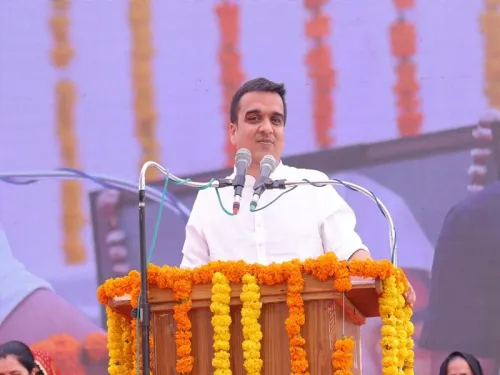
Gujarat Assembly Speaker Shankar Chaudhary made the remarks on World Milk Day, 1 June .
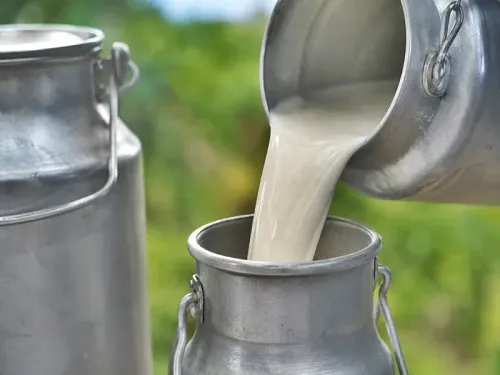
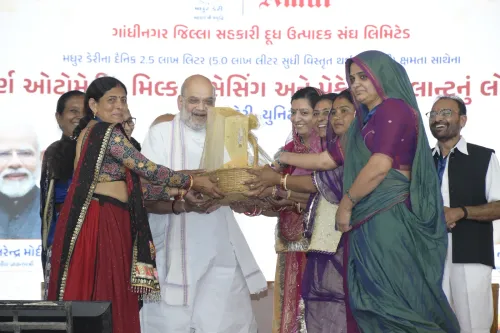
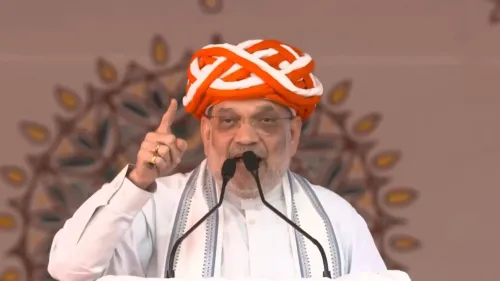
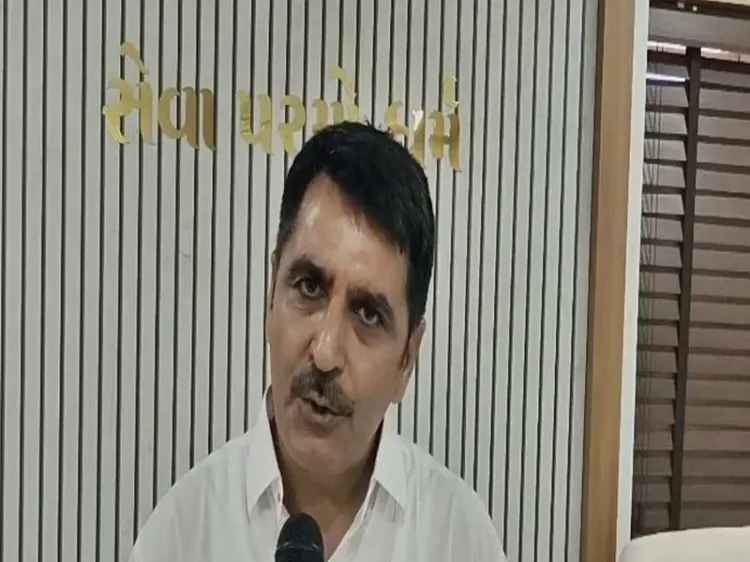
Banas Dairy, India's largest milk producer, is transferring more than ₹40 crore every day directly into the bank accounts of milk-producing women across Gujarat, the cooperative's chairman and Gujarat Assembly Speaker Shankar Chaudhary said on World Milk Day, 1 June. The figure underscores the scale of a cooperative model that has woven together milk production, livestock credit, bioenergy and organic farming to lift rural incomes.
Direct Transfers and Financial Inclusion
For years, milk payments to farmers could take weeks to arrive. Today, those payments are credited instantly through the Direct Benefit Transfer (DBT) system. Nayanaben Chaudhary, a woman livestock rearer, said the shift had fundamentally changed how dairy families manage money.
'For the past five to seven years, due to the dairy and government system, milk payments are deposited directly into our bank accounts. Along with that, we receive more than 25 per cent bonus from Banas Dairy,' she said.
She also credited the Kisan Credit Card scheme — extended to livestock rearers on par with crop farmers — with replacing high-interest informal loans. 'Earlier, when purchasing a new animal or buying fodder, we had to take loans at high interest rates. But ever since the government started the Kisan Credit Card facility, it has become much easier for us to obtain affordable loans from banks,' she said. Livestock insurance schemes have further reduced exposure to losses from disease and natural calamities, making dairy farming a more bankable livelihood.
India's Ambition as a Global Dairy Hub
Chaudhary argued that India's structural advantages — the world's largest cattle, cow and buffalo population, indigenous breeds and a deep cooperative network — position it to lead global dairy growth. 'India is moving towards becoming the dairy hub of the world. In the coming years, India is expected to witness the highest growth in the dairy industry,' he said.
He credited the Centre's establishment of a dedicated Ministry of Cooperation under Prime Minister Narendra Modi's government with accelerating dairy development. This comes amid a broader national push to double farmer incomes and strengthen rural cooperative infrastructure.
Indigenous Breeds and Breed Improvement
A recurring theme was the competitive edge of Indian cattle breeds. Chaudhary said indigenous cows and buffaloes offer greater heat tolerance, lower fodder requirements, reduced disease susceptibility and lower methane emissions compared with most global breeds — qualities he described as critical for the long-term sustainability of the industry.
Banas Dairy has established a breeding centre spanning nearly 200 bighas using embryo transfer and IVF technologies. 'Calves produced through IVF technology have shown increased milk-producing capacity. Indigenous cattle possess extraordinary genetic qualities,' Chaudhary said. The Gokul Mission, a central government programme, has also contributed to strengthening indigenous cattle populations, he noted.
Beyond Milk: Bio-CNG, Organic Farming and Value-Added Products
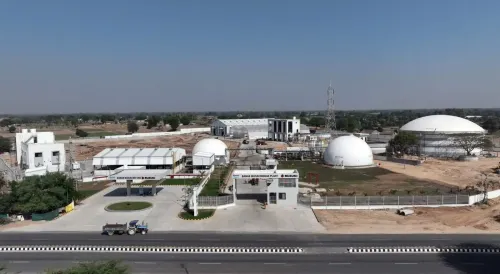
Banas Dairy has diversified well beyond fluid milk. The cooperative has set up four Bio-CNG plants that convert cow dung into fuel, with vehicles already running on the gas produced at these facilities. By-products from the plants are used as microbe-rich organic fertilisers that improve soil health and reduce dependence on chemical inputs.
According to Chaudhary, cow dung now contributes more than 25 per cent additional income for farmers on top of milk revenue. Research at the dairy has also identified commercial potential in cow urine-based products owing to their potash content, with new products reportedly under preparation for launch.
On the processed-foods front, the industry is expanding into cheese, butter, paneer, probiotics, ice cream, traditional Indian sweets and whey protein. 'India's whey protein is a blessing for human health and is considered one of the easiest proteins to digest. Efforts are now being made to make whey protein available to common people in liquid form rather than only in powdered form,' Chaudhary said.
With daily direct transfers already exceeding ₹40 crore and diversification into bioenergy and value-added dairy, the Banas model is increasingly being watched as a template for cooperative-led rural development across India.
Point of View
But the more consequential shift is structural: by combining DBT, Kisan Credit Cards and livestock insurance, Banas has quietly de-risked dairy farming for women who previously had no reliable access to formal credit. What mainstream coverage misses is that this is not just a welfare story — it is a financial-inclusion story dressed in cooperative clothing. The Bio-CNG and IVF investments suggest Banas is hedging against commodity milk margins by building ancillary revenue streams, a move that larger agri-cooperatives in India have struggled to execute. Whether the cow-urine product line translates into genuine commercial income or remains a political talking point is the question worth watching.
NationPress
28 Sept 2026
Frequently Asked Questions
How much does Banas Dairy transfer to milk producers every day?
Banas Dairy transfers more than ₹40 crore every day directly into the bank accounts of milk-producing women through the Direct Benefit Transfer (DBT) system. Farmers also receive a bonus of more than 25 per cent on milk payments from the cooperative.
What is the Kisan Credit Card facility for livestock rearers?
The Kisan Credit Card scheme has been extended to livestock rearers on the same terms as crop farmers, allowing them to access affordable bank loans for purchasing animals and fodder. Previously, dairy farmers had to rely on informal loans at high interest rates.
What is Banas Dairy's role in India's dairy sector?
Banas Dairy is considered India's largest milk producer and operates as a cooperative that supports livestock rearers through milk payments, credit access, breed improvement and bioenergy initiatives. Its chairman, Shankar Chaudhary, also serves as Gujarat Assembly Speaker.
How is Banas Dairy using cow dung and animal waste?
Banas Dairy has set up four Bio-CNG plants that convert cow dung into fuel, with vehicles already running on the gas produced. By-products are used as organic fertilisers, and cow dung reportedly contributes more than 25 per cent additional income for farmers beyond milk revenue.
What breed improvement programmes is Banas Dairy running?
Banas Dairy has established a breeding centre of nearly 200 bighas using embryo transfer and IVF technologies to improve the productivity of indigenous cattle. The central government's Gokul Mission has also supported the strengthening of indigenous cow and buffalo populations.