PM Modi to lay foundation of 2 Bio-CNG plants in Gujarat on Oct 30, capacity 175 tonnes/day
Synopsis
Banas Dairy is doubling down on its waste-to-energy model: PM Modi will lay foundation stones for two new Bio-CNG plants in Tharad and Radhanpur on 30 October, pushing the cooperative's daily cattle-dung processing capacity to 515 metric tonnes and its carbon abatement to over 33,000 tonnes a year — one of India's most tangible rural clean-energy stories.
Key Takeaways
PM Modi will lay the foundation stones of two new Bio-CNG plants at Bhildi, Banaskantha on 30 October .
The plants at Tharad (75 MT/day) and Radhanpur (100 MT/day) will together process 175 metric tonnes of cattle dung daily.
Banas Dairy will have 6 operational Bio-CNG plants with a combined capacity of 515 metric tonnes per day.
The four existing plants already produce around 6,150 kg of Bio-CNG, 83 MT of solid fertiliser, and 260 MT of liquid fertiliser daily.
All six plants are estimated to prevent between 33,400 and 34,600 tonnes of carbon emissions annually.
Banaskantha's 28 lakh livestock generate an estimated 24,000 MT of cattle dung daily, providing ample feedstock for further expansion.
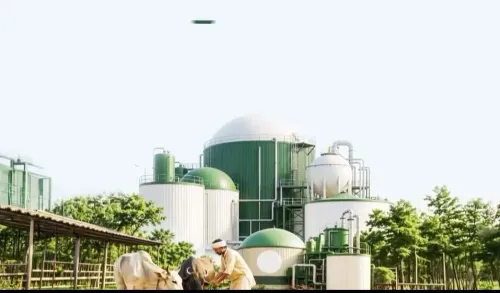
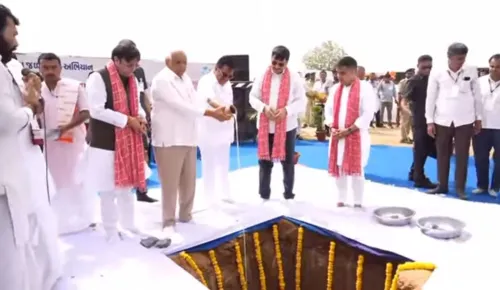
Prime Minister Narendra Modi is scheduled to lay the foundation stones of two new Bio-CNG plants in Gujarat on 30 October, in a ceremony to be held at Bhildi in Banaskantha district. The two facilities — located at Tharad and Radhanpur — will together process 175 metric tonnes of cattle dung daily, bringing the total number of Bio-CNG plants operated by Banas Dairy to six.
Plant Capacities and Locations
The Tharad plant will have a daily processing capacity of 75 metric tonnes, while the Radhanpur facility will handle 100 metric tonnes per day. Together, they are expected to augment production of clean fuel and organic fertilisers, while providing an additional income stream for animal husbandry farmers associated with the cooperative.
Chief Minister Bhupendra Patel, Deputy Chief Minister Harsh Sanghavi, and Legislative Assembly Speaker and Banas Dairy chairman Shankar Chaudhary are among the senior officials expected to attend the event.
How Banas Dairy Built Its Bio-CNG Network
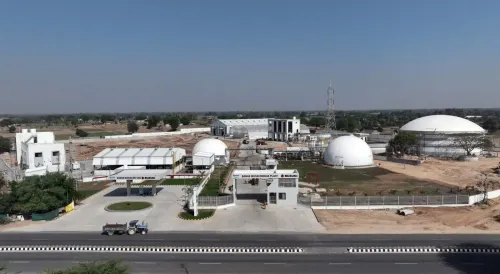
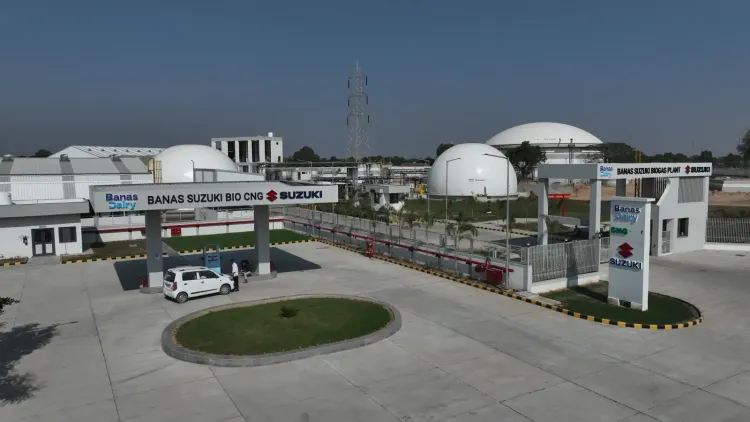
Banas Dairy first entered the compressed biogas space in 2020, commissioning a plant in Dama village in Deesa taluka with a capacity to process 40 metric tonnes of cattle dung daily. Three subsequent plants — each with a daily capacity of 100 metric tonnes — were set up at Agthala, Bhukhla, and Vinchhivadi in partnership with Suzuki Motor Corporation and the National Dairy Development Board (NDDB).
The four operational plants currently process around 340 metric tonnes of cattle dung every day. With the two proposed facilities, the combined daily processing capacity will rise to 515 metric tonnes.
Output, Revenue Model and the 'Bhumi Amrut' Brand
According to state government data, the four existing plants have the capacity to produce approximately 6,150 kg of Bio-CNG, 83 metric tonnes of solid organic fertiliser, and 260 metric tonnes of liquid organic fertiliser daily. Banas Dairy currently sells around 6,100 kg of Bio-CNG daily at subsidised rates compared with conventional CNG.
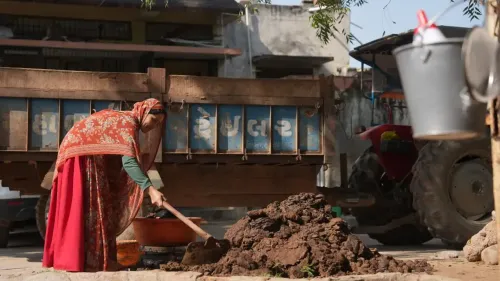
Under the cooperative's waste-to-energy model, cattle dung is procured directly from animal husbandry farmers — providing them supplementary income — and the residual slurry is converted into solid and liquid organic fertilisers marketed under the brand name 'Bhumi Amrut', which are then supplied back to farmers.
Environmental Impact and Carbon Abatement
Banaskantha district has an estimated livestock population of 28 lakh, including approximately 24 lakh animals belonging to farmers associated with Banas Dairy. These animals are estimated to generate around 24,000 metric tonnes of cattle dung each day — a vast raw-material base for the cooperative's expansion.
Cattle dung left in the open releases methane, a greenhouse gas with approximately 28 times the global warming potential of carbon dioxide over a 100-year horizon. By channelling dung into biogas production, the plants directly curb methane emissions. According to Banas Dairy's estimates, the six plants will collectively prevent between 33,400 and 34,600 tonnes of carbon emissions annually.
The expansion signals a deepening of India's rural circular-economy ambitions, with dairy cooperatives increasingly becoming nodes in the country's clean-energy transition.
Point of View
000 metric tonnes against a current processing capacity of 515 MT underlines how much headroom remains. The larger question is replicability: Gujarat's cooperative infrastructure, NDDB backing, and Suzuki partnership are not easily transplanted to states with weaker dairy networks. A Modi foundation-stone event amplifies visibility, but sustained scale will depend on whether the financial model holds as feedstock costs and fertiliser offtake fluctuate beyond the Banaskantha belt.
NationPress
28 Oct 2026
Frequently Asked Questions
Where and when will PM Modi lay the foundation stones of the new Bio-CNG plants?
PM Modi is scheduled to lay the foundation stones on 30 October at Bhildi in Banaskantha district, Gujarat. The ceremony will cover two plants — one each at Tharad and Radhanpur — both operated by Banas Dairy.
What is the processing capacity of the two new Bio-CNG plants?
The Tharad plant will process 75 metric tonnes of cattle dung per day, while the Radhanpur plant will handle 100 metric tonnes — giving a combined additional capacity of 175 metric tonnes daily. This will raise Banas Dairy's total processing capacity to 515 metric tonnes per day across six plants.
What is Banas Dairy's Bio-CNG model and how does it work?
Banas Dairy procures cattle dung directly from animal husbandry farmers, providing them supplementary income. The dung is processed to produce compressed biogas (CBG) used as vehicle fuel, while the leftover slurry is converted into solid and liquid organic fertilisers sold under the brand name 'Bhumi Amrut'. The Bio-CNG is offered at subsidised rates compared with conventional CNG.
How do the Bio-CNG plants help reduce carbon emissions?
Cattle dung left in the open releases methane, which has approximately 28 times the global warming potential of carbon dioxide over 100 years. By converting dung into fuel, the plants capture methane before it enters the atmosphere. Banas Dairy estimates all six plants will collectively prevent 33,400 to 34,600 tonnes of carbon emissions per year.
Who are Banas Dairy's partners in the Bio-CNG expansion?
Three of the four existing plants were set up in partnership with Suzuki Motor Corporation and the National Dairy Development Board (NDDB), each with a daily capacity of 100 metric tonnes. The upcoming plants in Tharad and Radhanpur will take the cooperative's network to six facilities across Banaskantha district.