Deputy CM Highlights Women's Empowerment at Banas Dairy: 33% Representation on Board
Synopsis
In a significant announcement, Gujarat's Deputy Chief Minister highlighted the role of over 11 lakh women in Banas Dairy, showcasing their drive for economic independence. With a push for women's representation in Parliament, Banas Dairy's 33% female board underscores a model of empowerment.
Key Takeaways
11 lakh women are integral to Banas Dairy's success.
The dairy sector exemplifies economic self-reliance.
Banas Dairy has achieved 33% female representation on its Board.
The event featured women sharing their experiences in animal husbandry.
Commitment to cattle protection remains a priority for the state government.
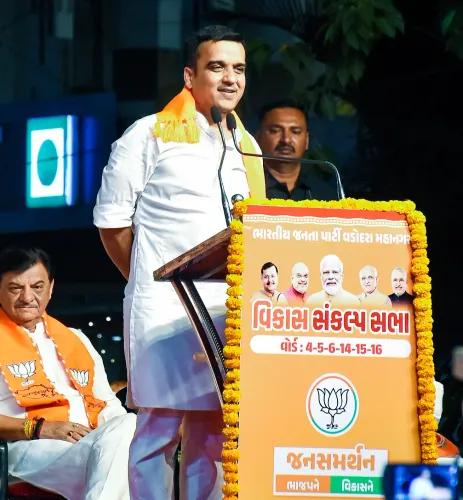
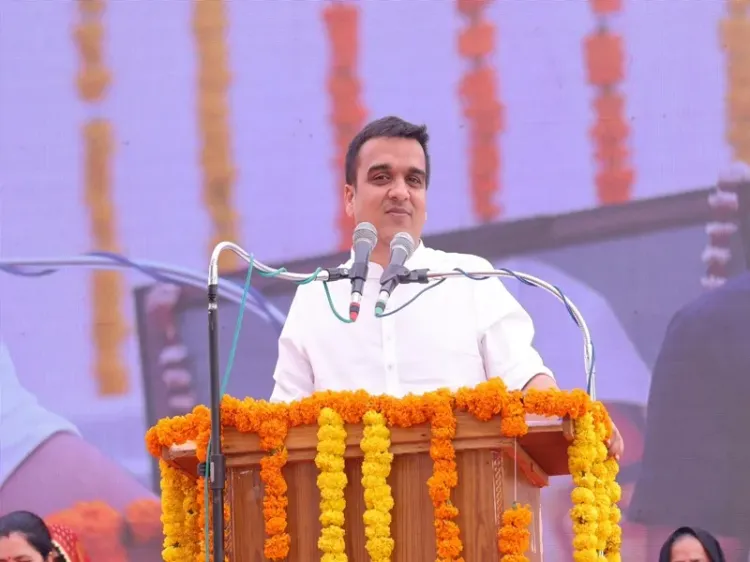
Gandhinagar, April 15 (NationPress) More than 11 lakh women constitute a significant part of the 36 lakh members of Banas Dairy, as stated by Deputy Chief Minister Harsh Sanghavi on Wednesday, emphasizing their vital contribution to economic self-sufficiency within Gujarat's dairy industry.
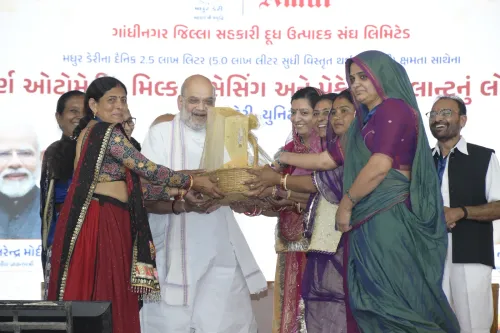
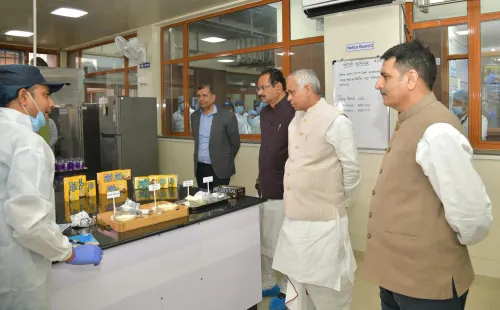
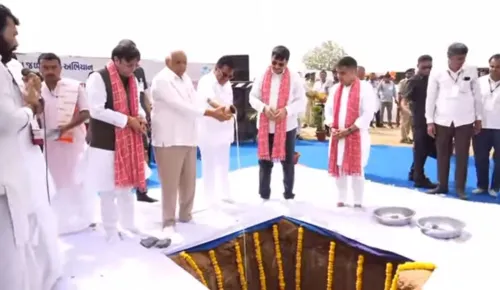
Sanghavi made these remarks during a combined ‘Milk Day’ and ‘Women Awareness Programme’ held by Banas Dairy and the Gujarat Cooperative Milk Marketing Federation (GCMMF) at the Banas Dairy complex located in Sanadar village within Vav-Tharad.
Also in attendance was Gujarat Legislative Assembly Speaker and Banas Dairy Chairman Shankar Chaudhary.
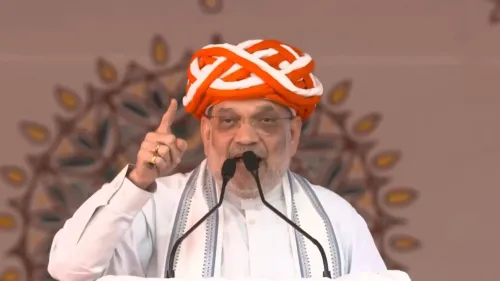
While addressing women livestock keepers at the event, Sanghavi expressed, “The women of Banaskantha have significantly contributed to animal husbandry and the milk revolution, serving as an inspiration not just for Gujarat but also for women globally.”
He noted that approximately 11 lakh women are among milk producers in Banas Dairy’s expansive member base of 36 lakh, describing it as “a living testament to economic self-reliance.”
On the topic of political representation, Sanghavi highlighted that the initiative for 33 percent reservation for women in Parliament has been proposed under Prime Minister Narendra Modi’s leadership, with Banas Dairy having already adopted a similar model.
“The dairy has ensured 33 percent female representation on its Board of Directors,” he remarked.
He further reiterated the state government’s commitment to cattle protection, affirming that strict measures will be enforced against practices such as cow slaughter.
Chaudhary, addressing the audience, commended the contributions and resolve of women affiliated with Banas Dairy.
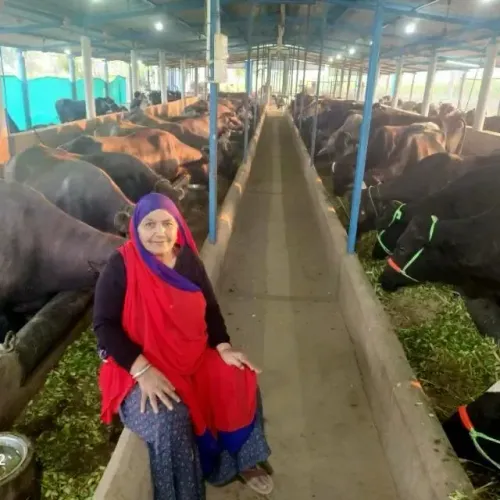
During the event, several women milk producers shared their experiences in animal husbandry, detailing their journeys in the field.
Women and livestock keepers who had excelled in their work were recognized with awards presented during the gathering.
The programme witnessed participation from leaders in the cooperative sector, dairy directors, and a substantial number of women livestock keepers from throughout the district.
Point of View
The emphasis on women's contribution to economic self-reliance in the dairy sector is noteworthy. The implementation of a 33% female representation on the Banas Dairy board is a significant step towards gender equality in leadership roles, setting a precedent that could influence broader political reforms.
NationPress
19 Sept 2026
Frequently Asked Questions
What percentage of Banas Dairy members are women?
Women make up more than 11 lakh of the total 36 lakh members of Banas Dairy.
What was the purpose of the Milk Day and Women Awareness Programme?
The event aimed to celebrate women's contributions to the dairy sector and promote awareness about their roles in economic self-reliance.
Who are the key figures mentioned in the event?
Deputy Chief Minister Harsh Sanghavi and Gujarat Legislative Assembly Speaker Shankar Chaudhary were key figures present at the event.
What is the significance of the 33% reservation for women?
This reservation aims to enhance women's representation in political settings and is mirrored by Banas Dairy's board composition.
What actions are being taken for cattle protection?
The Gujarat government is committed to enforcing strict measures against cow slaughter and promoting cattle protection.