Gujarat to add 20,000 biogas plants under GOBARDhan in 2026-27
Synopsis
Gujarat is not just adding biogas plants — it is deploying a cooperative-backed, cluster-driven model that turns cattle dung into fuel, fertiliser, and farmer income simultaneously. With 20,000 units planned for 2026-27 and ₹23,731 crore committed at the national level, this is one of the most structurally integrated rural clean-energy rollouts in the country.
Key Takeaways
Gujarat will install 20,000 new household biogas plants in 2026-27 under the GOBARDhan scheme .
Farmers will receive ₹25,000 per plant as financial assistance through the Swachh Bharat Mission (Gramin).
Each 2-cubic-metre plant can save 8–10 LPG cylinders annually and reduce CO₂ emissions by approximately 834 kg , according to a UNICEF survey cited by the state government.
More than 14,000 plants are already operational across 88 clusters ; key partners include Amul , Banas Dairy , Dudhsagar Dairy , and NDDB .
The Centre has approved the National Circular Bioenergy Scheme — GOBARDhan with a ₹23,731 crore outlay to scale similar efforts nationally.
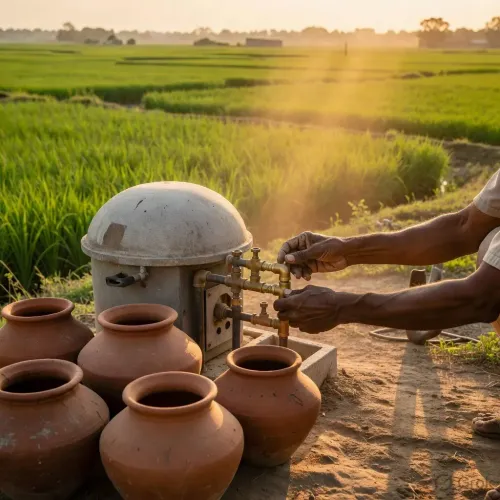
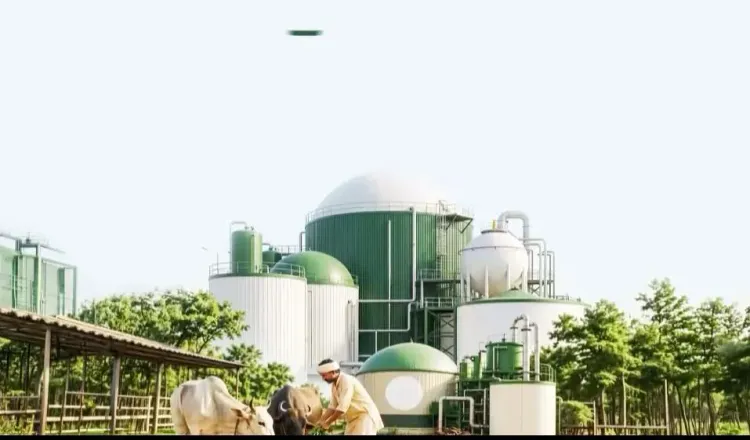
Gujarat will install 20,000 new household biogas plants in 2026-27 under the GOBARDhan scheme of the Swachh Bharat Mission (Gramin), converting cattle dung and organic waste into clean cooking fuel and organic fertiliser. The expansion, anchored by the state's dairy cooperative network, aims to cut rural dependence on LPG and reduce carbon emissions across livestock-farming communities.
Scale and Structure of the Expansion
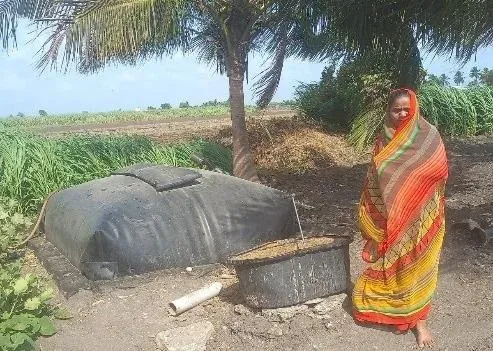
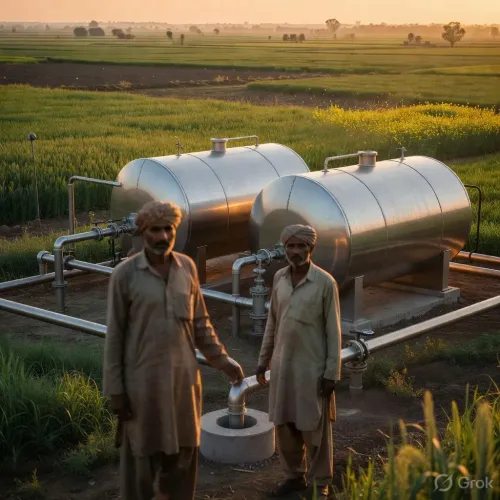
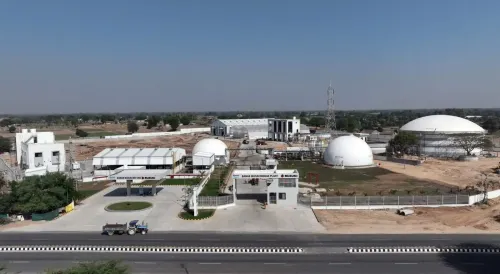
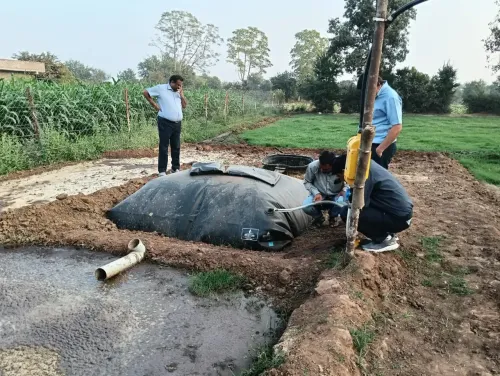
The new units are 2-cubic-metre flexible biogas plants, to be rolled out with support from Amul, Banas Dairy, Dudhsagar Dairy, and the National Dairy Development Board (NDDB). More than 14,000 biogas plants are already operational across 88 clusters in Gujarat, providing a tested infrastructure base for the next phase.
The state has pursued a cluster-based rollout from the outset. The first phase covered 7,423 plants across 38 clusters, backed by NDDB and the major dairy cooperatives. A second phase targeted 10,000 plants across 50 clusters, with nearly 7,000 plants established in partnership with the Gujarat Cooperative Milk Marketing Federation and district milk unions.
Financial Support and Environmental Impact
Livestock farmers installing the new units will receive financial assistance of ₹25,000 per plant through the Swachh Bharat Mission (Gramin). According to figures cited by the Gujarat government from a UNICEF survey, a single 2-cubic-metre plant can save the equivalent of 8 to 10 LPG cylinders annually, manage approximately 18,250 kg of livestock waste each year, and reduce carbon dioxide emissions by roughly 834 kg.
The bio-slurry produced during gas generation can be applied as organic fertiliser, with the state government arguing this will reduce farmers' dependence on chemical inputs and improve soil fertility over time.
What Dairy Stakeholders Said
Sangram Chaudhary, managing director of Banas Dairy, said clean energy initiatives have broader environmental value. 'Renewable and clean energy protects the ozone layer from the damage caused by climate change. At the same time, the use of compressed CNG helps us reduce carbon emissions, which are a major cause of global warming,' he said.
In Banaskantha, Banas Dairy has already established a commercial biogas plant and purchases cattle dung directly from livestock farmers in surrounding villages. Ramji Chaudhary, a livestock farmer from the district, said his family now sends all cattle dung to the plant. 'A tractor comes from the dairy every day and collects the cow dung,' he said. Another farmer, Rinku Chaudhary, said the combined income from dairy, milk sales, and the biogas plant had improved her family's standard of living.
National GOBARDhan Scheme Backdrop
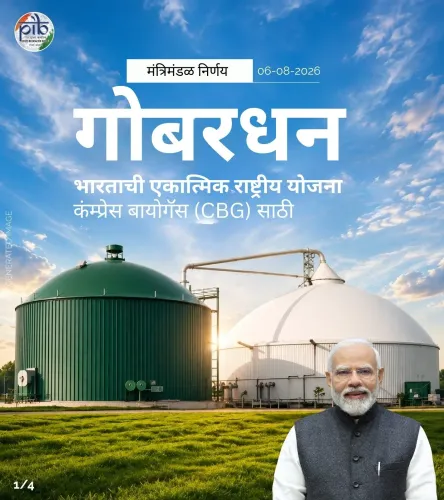
Gujarat's push comes as the Centre has approved the National Circular Bioenergy Scheme — GOBARDhan, with a total outlay of ₹23,731 crore, to promote conversion of organic waste into bioenergy and bio-fertilisers nationwide. The state's cluster-based model and cooperative linkages position it as one of the more advanced implementers of the national framework.
Notably, the programme is being extended beyond household fuel to create an additional income stream for livestock rearers by linking them to commercial biogas operations — a design that could serve as a template for other dairy-intensive states. With guidelines and cooperative partnerships already in place, the next milestone will be whether the 20,000-plant target is met within the 2026-27 financial year.
Point of View
Counted, and then abandoned when maintenance costs exceed household capacity. Whether the ₹25,000 subsidy covers lifecycle upkeep, and whether NDDB tracks operational status rather than just installation, will determine if these 20,000 units show up in energy statistics five years from now or just in press releases.
NationPress
10 Oct 2026
Frequently Asked Questions
What is the GOBARDhan scheme and how is Gujarat using it?
GOBARDhan (Galvanizing Organic Bio-Agro Resources Dhan) is a Central government scheme under the Swachh Bharat Mission (Gramin) that promotes conversion of cattle dung and organic waste into biogas and bio-fertiliser. Gujarat is using it to install 20,000 new household biogas plants in 2026-27, with dairy cooperatives like Amul and Banas Dairy supporting the rollout.
How much financial assistance will farmers receive per biogas plant?
Livestock farmers installing a new biogas plant under the scheme will receive ₹25,000 per plant through the Swachh Bharat Mission (Gramin). The subsidy is intended to cover part of the installation cost of the 2-cubic-metre flexible biogas units.
What are the environmental benefits of a household biogas plant?
According to a UNICEF survey cited by the Gujarat government, a single 2-cubic-metre biogas plant can save the equivalent of 8 to 10 LPG cylinders a year, manage around 18,250 kg of livestock waste annually, and reduce carbon dioxide emissions by approximately 834 kg. Bio-slurry generated in the process can also replace chemical fertilisers.
Which dairy cooperatives are involved in the Gujarat biogas expansion?
The expansion is being implemented with support from Amul, Banas Dairy, Dudhsagar Dairy, the National Dairy Development Board (NDDB), the Gujarat Cooperative Milk Marketing Federation, and district milk unions. These cooperatives provide logistical and institutional backing for the cluster-based rollout.
What is the national GOBARDhan outlay and how does Gujarat's plan fit in?
The Centre has approved the National Circular Bioenergy Scheme — GOBARDhan with a total outlay of ₹23,731 crore to scale organic waste-to-energy conversion across India. Gujarat, with over 14,000 plants already operational and 20,000 more planned, is among the leading state-level implementers of this national framework.