Gujarat biogas plants light up 665 tribal homes near Statue of Unity
Synopsis
More than 665 biogas plants are already running in tribal homes near Gujarat's Statue of Unity — and not a single family paid a rupee. With cow dung replacing LPG cylinders and organic slurry fertilising fields, this 89-village scheme is quietly rewriting the daily economics of rural life in one of India's most prominent tribal belts.
Key Takeaways
More than 665 biogas plants are operational across 89 villages near Ekta Nagar, Gujarat , as of 15 May 2025 .
Nearly 1,000 tribal households have been selected as beneficiaries, each receiving the plant at zero cost under a 100 percent government subsidy .
Each plant requires 10 kg cow dung and 90 kg water daily and can cook for a family of 7–8 members .
On average, each household saves the equivalent of two LPG cylinders per month .
The by-product organic slurry is being used as farm fertiliser , adding a second economic benefit for families.
The scheme also reduces tree-felling in the tribal forest belt surrounding the Statue of Unity .
Nearly 1,000 tribal households in 89 villages surrounding Ekta Nagar, close to the Statue of Unity in Gujarat, are transitioning to clean cooking fuel through a government-backed biogas initiative. As of 15 May 2025, more than 665 biogas plants are already operational, replacing firewood and LPG cylinders in kitchens that had long depended on traditional fuel sources.
How the Scheme Works
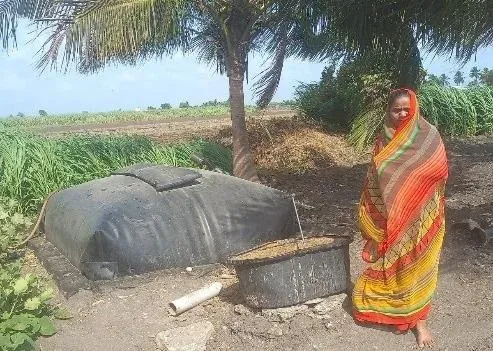
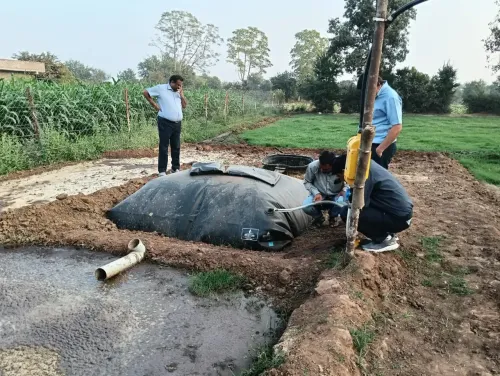
Families that own at least three livestock animals are being provided a two-cubic-metre flexible biogas plant at zero cost — the entire expenditure is borne by the government as a 100 percent subsidy. Each household feeds roughly 10 kilograms of cow dung and 90 kilograms of water into the plant every morning. The gas produced is sufficient to cook meals for a family of 7 to 8 members and, on average, replaces two LPG cylinders per month.
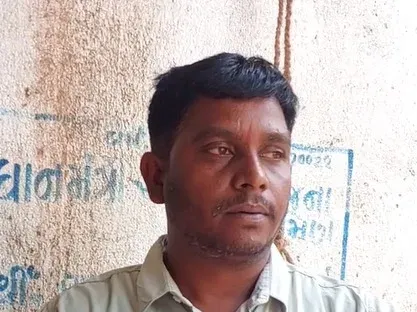
Project Coordinator Dheeraj Bhil confirmed the scale of the effort: '1,000 beneficiaries have been selected. These beneficiaries are receiving a 100 percent subsidy; they do not have to pay any money. The government bears the entire cost, and the plant is installed free of charge.'
Voices from the Villages
Beneficiary Mahesh Tadvi, who owns two buffaloes and one cow, described the change: 'Previously, gathering firewood required a great deal of effort, but that problem has now been resolved. We are utilizing the money we save to fund our children's education.'
Another resident, Sangeeta Tadvi, highlighted an additional benefit: 'We no longer have to travel to the market to procure gas cylinders. The biogas plant generates gas for cooking and also produces organic manure, which we are utilizing in our fields and gardens.'
Environmental and Economic Impact
Beyond fuel savings, the project is curbing tree-felling in the forested tribal belt around Ekta Nagar. The organic slurry produced as a by-product doubles as fertiliser, reducing input costs for small farmers. This comes amid a broader national push to extend clean energy access to rural and tribal communities, aligned with the Centre's Aatma Nirbhar Bharat framework.
What Comes Next
Installation work is continuing across the remaining villages in the cluster, with the project on track to cover all 1,000 selected beneficiaries. Officials have not yet specified a completion deadline, but the pace — over 665 plants commissioned so far — suggests the full rollout is well advanced. The dual output of clean fuel and organic manure positions the scheme as a model that other tribal districts in Gujarat could replicate.
Point of View
Targeted squarely at livestock-owning tribal families. The real test is whether the plants remain functional after the initial installation push, since biogas units in past rural schemes have suffered from poor maintenance and abandonment. The organic slurry angle is underreported: if families systematically use it as fertiliser, the scheme's economic return could exceed the LPG savings alone. Scaling this to other tribal districts in Gujarat, and eventually nationally, would require a credible maintenance and monitoring framework — something the current reporting does not yet confirm is in place.
NationPress
25 Sept 2026
Frequently Asked Questions
What is the biogas plant scheme running near Gujarat's Statue of Unity?
It is a government-funded initiative providing free two-cubic-metre biogas plants to tribal households in 89 villages around Ekta Nagar, near the Statue of Unity in Gujarat. Beneficiaries receive the plant at no cost under a 100 percent subsidy, with the gas generated replacing firewood and LPG for daily cooking.
How many biogas plants are operational so far?
More than 665 biogas plants are already operational as of 15 May 2025, out of a target of 1,000 beneficiary households across the 89-village cluster.
Who is eligible for the free biogas plant?
Tribal families that own at least three livestock animals are eligible. They are required to feed approximately 10 kilograms of cow dung and 90 kilograms of water into the plant each morning to generate cooking gas.
How much do families save through the biogas plant?
On average, each household saves the equivalent of two LPG cylinders per month. Families also benefit from organic manure produced as a by-product, which reduces their agricultural input costs.
What is the environmental benefit of this scheme?
The scheme reduces dependence on firewood, thereby curbing tree-felling in the forested tribal belt around Ekta Nagar. The organic slurry by-product also serves as a natural fertiliser, reducing the need for chemical inputs in family farms and gardens.