India's 4G connectivity gap narrows 75% in 4 years, 11,372 villages still offline
Synopsis
India has cut the number of villages without 4G by 75% in just four years — from 45,180 to 11,372 — with BSNL's Saturation Project sites now serving over 10 lakh rural users daily and clocking 1.86 crore GB of data in October 2026 alone. With 26,000 more sites sanctioned, the final stretch targets India's most geographically hostile terrain.
Key Takeaways
Villages without 4G connectivity in India dropped 75% — from 45,180 in 2022 to 11,372 in 2026 .
The DoT Saturation Project was designed to connect 24,680 previously unserved villages; BSNL has commissioned 18,291 of the targeted sites.
In October 2026 , Saturation Project sites served a peak of 10,21,048 active users per day , consuming over 1.86 crore GB of data in the month — averaging 18.3 GB per user .
The Union government has sanctioned 26,000 additional mobile network sites for the next phase of rural expansion.
Remaining unconnected villages are concentrated in remote, tribal and aspirational regions where terrain and costs pose the highest barriers.
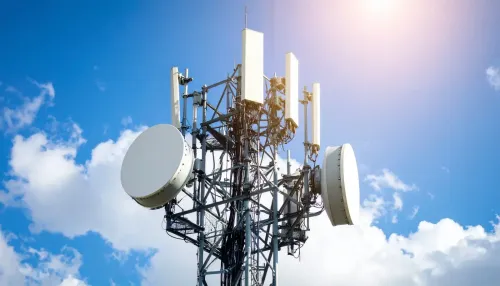
The number of Indian villages without 4G connectivity has fallen by nearly 75 per cent over four years — from 45,180 in 2022 to 11,372 in 2026 — driven largely by the Saturation Project launched by the Department of Telecommunications (DoT), according to an official statement issued on Wednesday, 11 November 2026. The milestone marks one of the most significant expansions of rural digital infrastructure in India's recent history.
What the Saturation Project Achieved
The Saturation Project was specifically designed to deliver 4G connectivity to 24,680 previously unconnected villages, targeting rural, remote, and underserved areas that private operators had not reached commercially. State-run Bharat Sanchar Nigam Limited (BSNL) has commissioned 18,291 sites under the 24,680-site rollout plan, with these towers already carrying substantial data traffic across the rural heartland.
Private telecom service providers have also contributed to the broader push through independent network expansion initiatives, complementing the government-led effort.
How Much Data Rural India Is Now Consuming
The scale of uptake on these newly connected sites has been striking. According to the official statement, in October 2026, BSNL's Saturation Project sites served a peak of 10,21,048 active users in a single day, who collectively consumed more than 1.86 crore GB (18,659,170 GB) of data during the month — averaging 18.3 GB per user. With roughly 56 active users per site on average, each tower is now servicing dispersed rural communities that were previously outside any 4G coverage zone.
This consumption pattern signals that rural demand for data is robust once infrastructure arrives — a significant counter to the assumption that low incomes suppress digital uptake.
The Road Ahead: 26,000 New Sites Sanctioned
Despite the progress, 11,372 villages remain without 4G as of 2026. The Union government has sanctioned an additional 26,000 mobile network sites for the next phase of expansion to address the remaining connectivity gaps. The DoT has indicated that priority will be given to remote, tribal, and aspirational districts — regions where terrain, high infrastructure costs, and scattered settlements have historically made rollout economically unviable for private players.
Challenges That Remain
Extending coverage to geographically difficult locations continues to pose significant challenges. Difficult terrain, elevated infrastructure costs, sparse settlements, and the presence of remote tribal habitations are cited in the official statement as the primary barriers. The DoT says it will continue coordinated action with BSNL and other telecom service providers, alongside expanded network-sharing arrangements and better utilisation of existing telecom infrastructure.
Notably, the government's targets in aspirational districts overlap with areas where digital public services — ranging from health and education portals to direct benefit transfers — have historically underperformed due to connectivity gaps.
Why It Matters for Digital India
Rural 4G access is increasingly a precondition for citizens to interact with government schemes, access telemedicine, use digital payment platforms, and participate in online education. The official statement underlines that the connectivity push is aimed at enabling inclusive access to digital governance, healthcare, financial services, and education. With the Centre deepening its reliance on digital delivery of welfare, the remaining 11,372 offline villages represent a last-mile policy priority whose resolution will determine the reach of a wide swath of government programmes.
The DoT is expected to continue accelerating deployment through 2027, with the next tranche of site commissionings under the sanctioned 26,000-site plan set to test whether the momentum from the Saturation Project can be sustained in India's most challenging geographies.
Point of View
But the headline masks a harder truth: the remaining 11,372 villages are the ones that were always going to be last — remote, tribal, economically thin. Progress from 45,180 to this floor was always the easier half. The real policy test is whether the 26,000-site second phase can close that final gap without the per-site economics becoming prohibitive. The October 2026 data-consumption figures — 18.3 GB per user monthly — also upend a common assumption that rural India lacks appetite for data once connected. The demand signal is clear; what's missing is supply in the hardest geographies, and that is squarely a public infrastructure problem private operators have little incentive to solve alone.
NationPress
11 Nov 2026
Frequently Asked Questions
How many villages in India still lack 4G connectivity in 2026?
As of 2026, 11,372 villages in India remain without 4G connectivity, down from 45,180 in 2022 — a reduction of nearly 75% over four years. The remaining villages are concentrated in remote, tribal and geographically challenging areas.
What is the DoT Saturation Project?
The Saturation Project is a Department of Telecommunications initiative to provide 4G connectivity to 24,680 previously unconnected villages in rural, remote and underserved areas. BSNL has commissioned 18,291 sites under the plan, which is widely credited for driving the sharp decline in connectivity gaps since 2022.
How much data are rural users consuming on newly connected sites?
In October 2026 , BSNL's Saturation Project sites recorded a peak of over 10 lakh active users in a single day and total monthly data consumption of more than 1.86 crore GB , averaging 18.3 GB per user . Each site serves roughly 56 active users on average.
What is the government's next step for rural 4G expansion?
The Union government has sanctioned 26,000 additional mobile network sites for the next phase of expansion to address remaining connectivity gaps. Priority will be given to remote, tribal and aspirational districts, with deployment planned through coordination between DoT , BSNL , and private telecom operators.
Why does rural 4G connectivity matter beyond just calling and internet access?
Rural 4G coverage is increasingly essential for citizens to access digital governance services, healthcare portals, direct benefit transfers, online education, and digital payment platforms. With India's welfare delivery shifting heavily online, villages without connectivity are effectively excluded from a growing share of public services.