Did President Murmu Inaugurate Bastar Pandum 2026 and Mark the End of the Maoist Era?
Synopsis
Join us as President Droupadi Murmu opens the Bastar Pandum 2026, a celebration of tribal culture in Jagdalpur, Chhattisgarh, marking a transition from Maoist violence to peace. This vibrant festival honors the resilience and rich heritage of the tribal communities in the region.
Key Takeaways
Bastar Pandum 2026 is a celebration of tribal culture and heritage.
It marks a significant shift from decades of Maoist violence to peace.
The President emphasized the importance of education in community development.
Government welfare programs aim to support marginalized communities .
Significant attendance from local dignitaries highlights the event's importance.
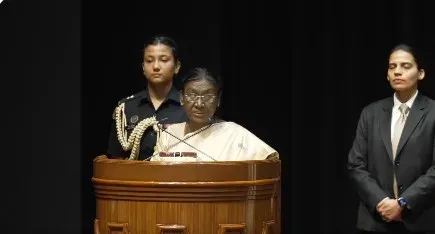
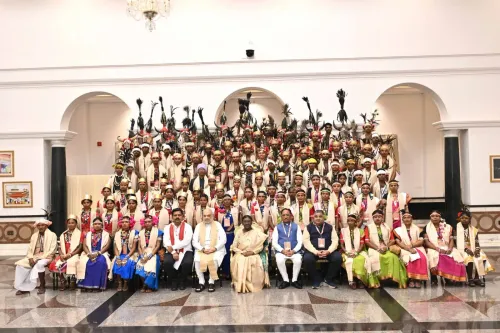
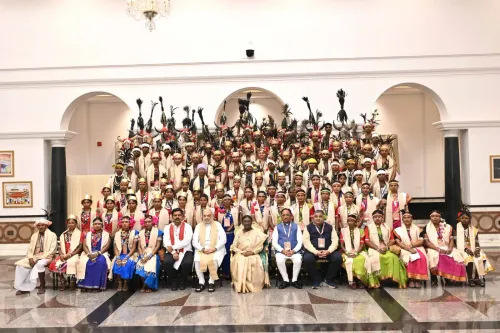
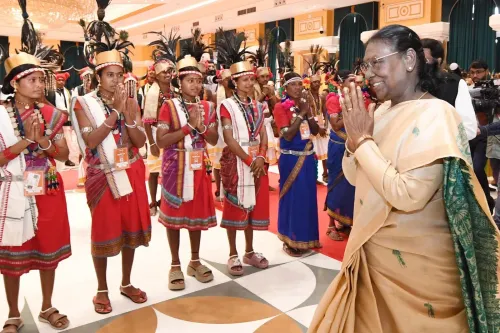
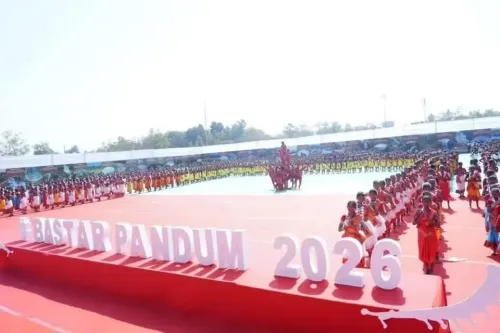
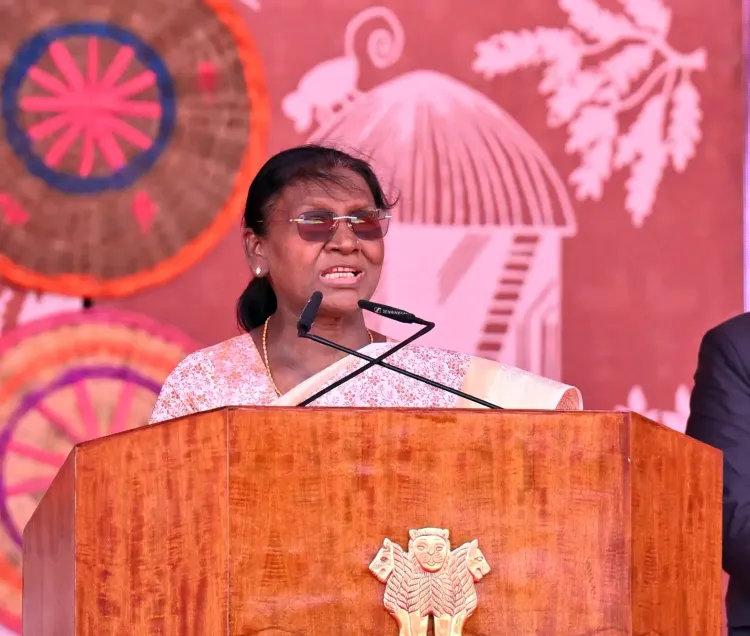
Jagdalpur, Feb 7 (NationPress) President Droupadi Murmu officially commenced the Bastar Pandum 2026, a lively three-day festival celebrating tribal culture, in Jagdalpur, Chhattisgarh, on Saturday. This event highlights the region's vibrant heritage while marking a significant transition from years of Maoist violence to a period of peace and development.
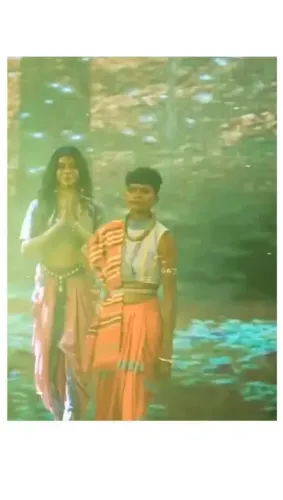
The festival took place at the historic Lalbagh Ground, exhibiting the unique art, traditions, and harmonious lifestyles of Bastar's tribal communities.
In her speech, the President characterized the Pandum as a joyous event interwoven into the very fabric of life in this fertile region.
“When farmers plant seeds in this soil, it is Pandum. When the mango season comes, it is Pandum. The locals of Bastar cherish every moment of life,” she stated, suggesting that others across the nation could find motivation in this joyful and nature-centric lifestyle.
President Murmu recognized the deep allure of Bastar's traditions and culture but also acknowledged the severe repercussions of four decades of Maoist insurgency.
“The youth, tribal members, and Dalit brethren faced immense suffering due to an atmosphere filled with insecurity, fear, and distrust,” she remarked.
However, she credited the decisive strategies implemented by the Union government against Maoist activities for gradually eliminating this threat, allowing many individuals linked to the movement to renounce violence and reintegrate into mainstream society.
The President pointed out the increasing instances of Maoist surrenders in Chhattisgarh, highlighting government initiatives designed to support rehabilitated individuals in leading normal, dignified lives through welfare programs.
She commended the state government's Niyad Nellanar Yojana for empowering local communities and noted observable signs of revival: electricity, roads, and water supply reaching remote areas; the reopening of long-closed schools; and children returning to educational institutions.
“This paints a very encouraging picture that brings joy to all citizens,” she commented.
In her address, President Murmu applauded those who have forsaken violence, urging them to have complete faith in the Constitution and democracy, work diligently, and resist any efforts to derail their journey towards peace.
She emphasized that the Union government prioritizes the upliftment of the impoverished, marginalized, and backward classes through initiatives like PM-JANMAN Yojana and Dharti Aaba Janjatiya Gram Utkarsh Abhiyan, which aim to deliver development benefits directly to the most disadvantaged tribal regions.
Education was a pivotal theme in her address.
The President described it as essential for individual and societal advancement, highlighting the establishment of Eklavya Model Residential Schools in tribal areas to provide quality educational opportunities.
She urged parents and guardians to prioritize their children's education, asserting that this would illuminate the future of Chhattisgarh and India.
President Murmu also honored enduring traditions, referencing Bastar Dussehra dedicated to Goddess Danteshwari as a distinctive symbol of tribal culture and unity.
She encouraged the pursuit of development while cherishing heritage.
Recognizing Bastar's wealth of natural resources and the industrious nature of its inhabitants, particularly the youth, the President urged them to utilize Central and state welfare schemes for personal and regional growth, contributing to a Viksit Bharat.
The event was attended by Governor Ramen Deka, Chief Minister Vishnu Deo Sai, and other notable figures.
Point of View
I believe the inauguration of Bastar Pandum 2026 by President Murmu is a pivotal moment in recognizing the resilience of tribal communities and their cultural heritage, especially in the wake of Maoist insurgency. This festival not only celebrates the region's traditions but also highlights the significant progress made towards peace and development. It serves as a beacon of hope for the future of Chhattisgarh.
NationPress
7 Oct 2026
Frequently Asked Questions
What is Bastar Pandum 2026?
Bastar Pandum 2026 is a vibrant three-day tribal cultural festival inaugurated by President Droupadi Murmu in Jagdalpur, Chhattisgarh, celebrating the region's rich heritage and marking the end of the Maoist era.
What significance does the festival hold?
The festival signifies a transition from decades of violence to peace and progress, showcasing the resilience and cultural richness of the tribal communities in Bastar.
Who attended the Bastar Pandum 2026 inauguration?
The event was attended by notable figures including Governor Ramen Deka and Chief Minister Vishnu Deo Sai.
How does the government support the tribal communities?
The government implements various welfare schemes like PM-JANMAN Yojana and Dharti Aaba Janjatiya Gram Utkarsh Abhiyan to uplift marginalized tribal areas.
What role does education play in the region?
Education is emphasized as a foundation for individual and societal progress, with initiatives like Eklavya Model Residential Schools aimed at providing quality learning opportunities for tribal children.