BC Khanduri passes away: Modi, Murmu mourn former Uttarakhand CM
Synopsis
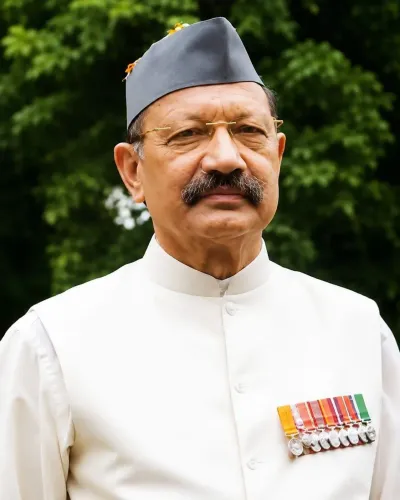
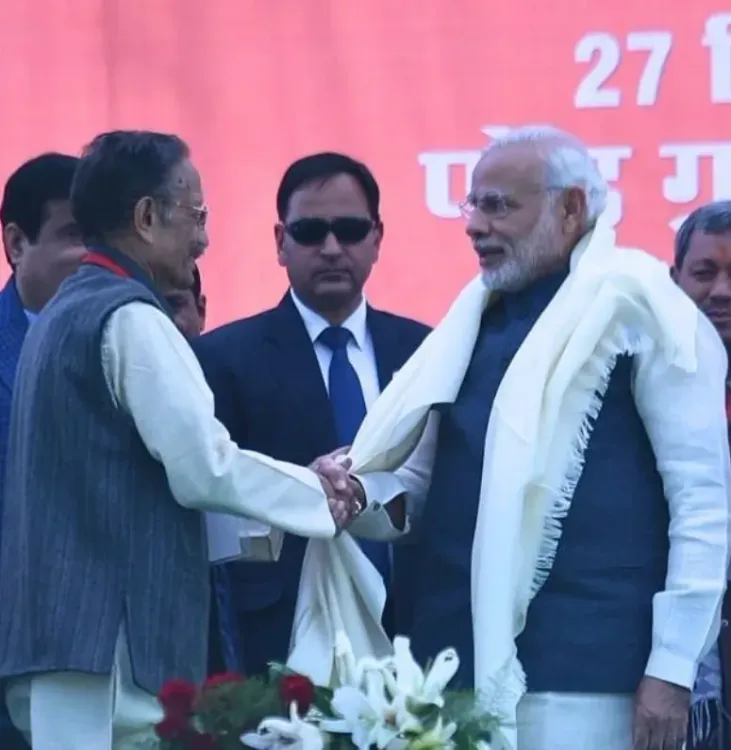
Major General (Retd.) Bhuwan Chandra Khanduri — soldier, road-builder, and two-term Uttarakhand Chief Minister — died at 90 in Dehradun on 19 May. His passing drew condolences from the President, PM Modi, and Home Minister Amit Shah, each underscoring a rare career that moved seamlessly from the 1971 war front to the corridors of state governance.
Key Takeaways
Major General (Retd.) Bhuwan Chandra Khanduri passed away on 19 May at Max Hospital, Dehradun , after a prolonged illness, aged 90 .
President Droupadi Murmu called the news 'extremely heartbreaking'; Prime Minister Narendra Modi posted condolences on X, saying Khanduri made 'invaluable contributions.' Home Minister Amit Shah described the death as 'an irreparable loss for Uttarakhand' and the BJP .
Khanduri served in the Indian Army for 36 years (1954–1990) , participated in the 1971 India-Pakistan War , and received the Ati Vishisht Seva Medal (AVSM) in 1982 .
He served two terms as Chief Minister of Uttarakhand ( 2007–2009 and 2011–2012 ) and as Union Minister for Road Transport and Highways under PM Vajpayee.
He won the Garhwal Lok Sabha seat four consecutive times: 1991, 1998, 1999, and 2004 .
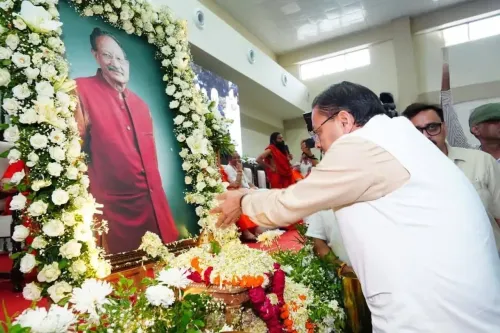
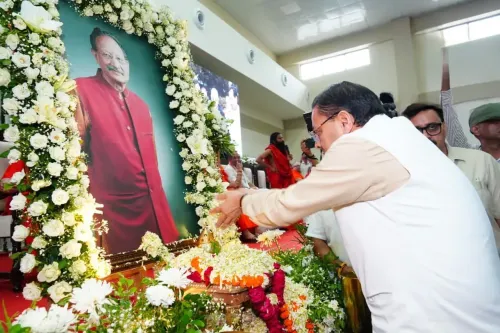
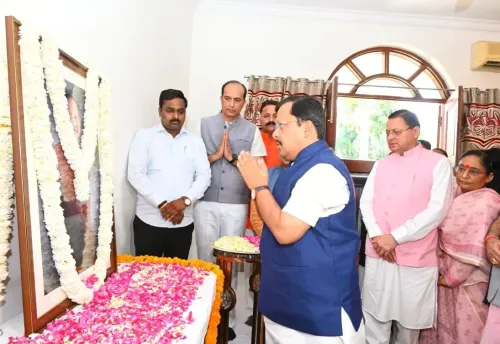
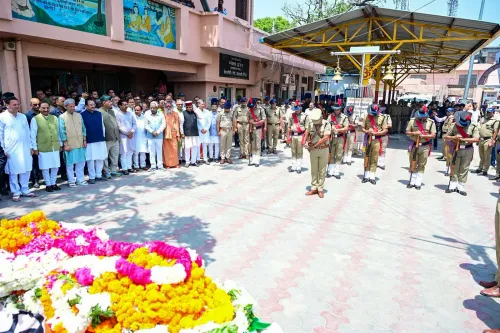
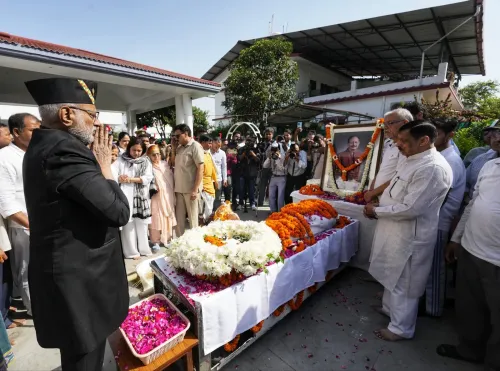
Former Uttarakhand Chief Minister and decorated Army veteran Major General (Retd.) Bhuwan Chandra Khanduri passed away on Tuesday, 19 May at Max Hospital, Dehradun, following a prolonged illness. He was 90 years old, born on 1 October 1934 in Dehradun. President Droupadi Murmu and Prime Minister Narendra Modi led the nation in mourning, with tributes pouring in from across the political spectrum.
President and PM Express Condolences
President Murmu described the news as 'extremely heartbreaking,' saying Khanduri's 'commitment to the development of the country and Uttarakhand, good governance, and public welfare will always remain memorable.' She extended her condolences to his family and well-wishers.
Prime Minister Modi, in a post on X, said he was 'deeply saddened' by the passing. 'From the armed forces to the political arena, he made invaluable contributions, for which he will always be remembered,' Modi wrote, adding that Khanduri's 'tireless efforts for the betterment of connectivity across the country' remained an enduring legacy. The Prime Minister concluded with 'Om Shanti.'
Amit Shah Calls It an Irreparable Loss
Union Home Minister Amit Shah took to social media to offer condolences, calling Khanduri's death 'an irreparable loss for Uttarakhand' and the Bharatiya Janata Party (BJP). Shah recalled his three-decade Army career and his governance record: 'As Chief Minister of Uttarakhand, he elevated the state to new heights in good governance, transparency, and public welfare.' Shah said the entire BJP family stands with the bereaved family.
A Soldier Who Became a Statesman
Khanduri served in the Corps of Engineers of the Indian Army from 1954 to 1990 — a full 36 years. During that span, he participated in the 1971 India-Pakistan War, served as a Regimental Commander, rose to the position of Chief Engineer in the Army, and held the post of Additional Military Secretary at Army Headquarters. In 1982, he was awarded the Ati Vishisht Seva Medal (AVSM) by the President of India for exceptional service.
He entered politics through the Ram Mandir movement in the 1990s, joining the BJP. In 1991, he won the Lok Sabha election from the Garhwal constituency — a seat he retained in 1998, 1999, and 2004.
Chief Minister and Union Minister
Under Prime Minister Atal Bihari Vajpayee, Khanduri served as Minister of State (Independent Charge) for Road Transport and Highways from 2000 to 2003, before being elevated to Cabinet rank in 2003. He is widely credited with advancing road connectivity across India during this tenure.
He served two terms as Chief Minister of Uttarakhand — first from 2007 to 2009, and again from 2011 to 2012 — after leading the BJP to victory in the February 2007 Uttarakhand Legislative Assembly elections. He assumed office on 8 March 2007. His administration was noted for stringent anti-corruption measures and a disciplined, transparent governance style that mirrored his military background.
A Legacy Rooted in Service
Across both his military and political careers, Khanduri was recognised for the same qualities: simplicity, integrity, and an unflinching commitment to public duty. His passing closes a chapter in Uttarakhand's post-statehood history, and tributes are expected to continue from across the country in the coming days.
Point of View
Not headlines managed. His two stints as Chief Minister of Uttarakhand were notable precisely because they were interrupted: the BJP replaced him mid-term on both occasions, a fact that mainstream obituaries are likely to gloss over. That tension — between a leader widely respected for integrity and a party that twice found him inconvenient — is the more instructive part of his legacy. Uttarakhand's governance conversation would benefit from an honest accounting of what his model achieved and where institutional continuity failed it.
NationPress
19 Sept 2026
Frequently Asked Questions
Who was BC Khanduri?
Major General (Retd.) Bhuwan Chandra Khanduri was a decorated Indian Army officer and BJP politician who served two terms as Chief Minister of Uttarakhand (2007–2009 and 2011–2012). He also served as Union Minister for Road Transport and Highways under Prime Minister Atal Bihari Vajpayee and won the Garhwal Lok Sabha seat four times between 1991 and 2004.
When and where did BC Khanduri pass away?
BC Khanduri passed away on Tuesday, 19 May, at Max Hospital in Dehradun, following a prolonged illness. He was 90 years old, having been born on 1 October 1934 in Dehradun.
What did PM Modi say about BC Khanduri's death?
Prime Minister Narendra Modi, in a post on X, said he was 'deeply saddened' by the passing and that Khanduri had made 'invaluable contributions' from the armed forces to the political arena. Modi also highlighted his dedication to Uttarakhand's development and his efforts to improve connectivity across the country.
What was BC Khanduri's military career?
Khanduri served in the Corps of Engineers of the Indian Army for 36 years, from 1954 to 1990. He participated in the 1971 India-Pakistan War, served as a Regimental Commander and Chief Engineer in the Army, and was awarded the Ati Vishisht Seva Medal (AVSM) in 1982 for exceptional service.
What is BC Khanduri's political legacy in Uttarakhand?
Khanduri is credited with establishing a model of transparent, disciplined governance in Uttarakhand during his two terms as Chief Minister. He took stringent anti-corruption measures and his administration's style was widely seen as a direct extension of his military values of integrity and simplicity.