Bengal CM orders demolition of illegal liquor, marijuana dens in 2 weeks
Synopsis
West Bengal CM Suvendu Adhikari has given the state police a hard two-week deadline to demolish every illegal liquor and marijuana joint in the state — a directive triggered directly by the alleged rape and murder of a 12-year-old girl in Baruipur, whose accused was reportedly in an inebriated state at the time of the crime.
Key Takeaways
West Bengal CM Suvendu Adhikari on 11 July ordered a statewide crackdown on illegal liquor and marijuana joints within two weeks .
The directive was issued at the inauguration of a new police station in Suryapur, Baruipur, South 24 Parganas .
The order follows the alleged rape and murder of a 12-year-old girl in Baruipur, with the accused reportedly highly inebriated at the time.
The Director General of Police has been tasked with leading a special identification and demolition drive across the state.
Citizens have been urged to report illegal joints to their nearest police station.
Adhikari also called for extending border-area enforcement intensity to rural interior areas of West Bengal.
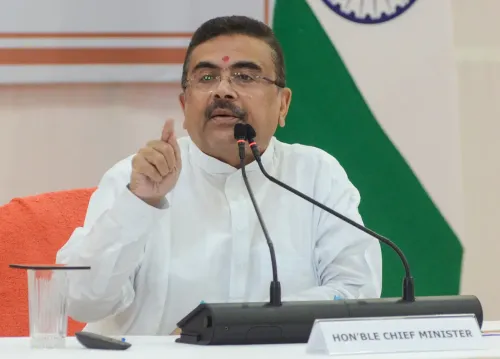
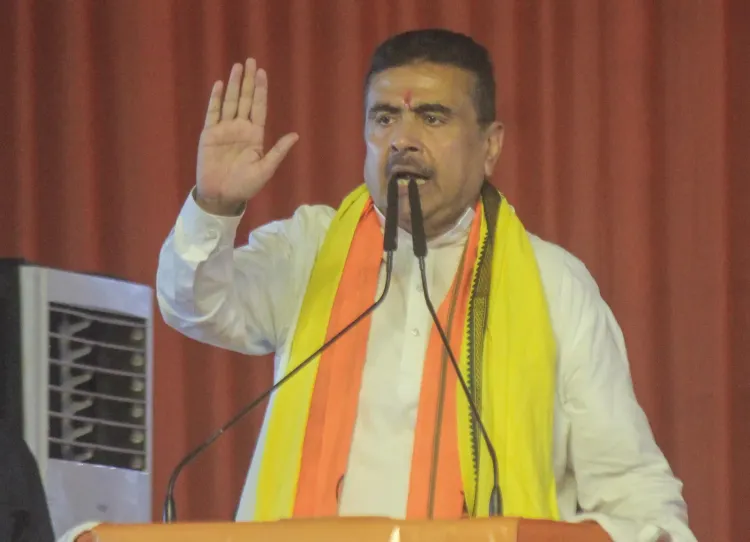
West Bengal Chief Minister Suvendu Adhikari on Saturday, 11 July directed the state police to identify and demolish all illegal liquor and marijuana joints across West Bengal within a two-week deadline, citing their role in fuelling violent crimes against women. The order came during the inauguration of a new police station in the Suryapur area under Baruipur, South 24 Parganas district.
The Baruipur Rape-Murder Case as Catalyst
Adhikari directly linked the crackdown to the alleged rape and murder of a 12-year-old girl in Baruipur last week. According to the Chief Minister, the accused reportedly carried out the crime in a highly inebriated state, and an illegal liquor outlet in the vicinity may have been a contributing factor. He stressed that 'there is a reason behind everything,' pointing to the proliferation of such joints as a structural driver of heinous offences against women.
What the Chief Minister Ordered
Adhikari directed the state's Director General of Police to launch a special drive across West Bengal over the next two weeks, mapping and demolishing every illegal liquor and marijuana den. He also urged citizens to proactively alert their nearest police station about any such establishment operating in their locality. The Chief Minister characterised the spread of these joints as 'social pollution' that must be completely eradicated, particularly from rural areas.
Border Operations and the Rural Gap
The Chief Minister acknowledged that search-and-raid operations are already conducted daily at locations along the state's border with Bangladesh to intercept contraband. However, he said the same intensity of enforcement was conspicuously absent in interior rural pockets, and he wanted that to change immediately. Notably, this is the first statewide directive of this scale since the current government assumed office, signalling a deliberate shift in enforcement priorities.
Political Context
Adhikari attributed the mushrooming of illegal liquor and marijuana joints to what he described as unchecked proliferation during the previous All India Trinamool Congress (TMC) regime, arguing that these establishments had long compromised the safety of women in affected neighbourhoods. The TMC has not issued an immediate response to these claims. Critics may note that such attribution, while politically pointed, places the onus of past inaction squarely on the opposition ahead of future electoral cycles.
What Happens Next
The two-week window sets a firm operational deadline for the state police. Community reporting, combined with the DGP-led special drive, is expected to form the twin pillars of enforcement. Whether the crackdown translates into sustained structural change — or remains a short-term response to a high-profile crime — will depend on follow-through beyond the initial fortnight.
Point of View
But Adhikari's two-week deadline gives this directive an accountability edge that vague policy announcements typically lack. The more substantive question is enforcement architecture: rural West Bengal has historically suffered from weak excise monitoring, and a fortnight-long special drive risks being cosmetic without a permanent surveillance mechanism. Blaming the TMC era for the proliferation is politically convenient but sidesteps the immediate question of why border-level enforcement intensity was not already being applied inland. The real test will come in week three — when the cameras have moved on.
NationPress
10 Oct 2026
Frequently Asked Questions
Why did West Bengal CM Suvendu Adhikari order a crackdown on illegal liquor and marijuana joints?
Adhikari issued the directive in direct response to the alleged rape and murder of a 12-year-old girl in Baruipur, South 24 Parganas, where the accused was reportedly in a heavily inebriated state. He argued that illegal liquor and marijuana joints are a structural driver of violent crimes against women across the state.
What exactly has the Chief Minister ordered the police to do?
Adhikari directed the Director General of Police to launch a special two-week drive to identify and demolish all illegal liquor and marijuana dens statewide. He also asked citizens to report such establishments to their local police stations.
How long does the police have to complete the crackdown?
The Chief Minister set a deadline of two weeks from 11 July for the special drive to be completed. Enforcement is expected to prioritise rural interior areas, where such joints have reportedly operated with less scrutiny than border zones.
Who is affected by this order?
The directive primarily targets operators of illegal liquor and marijuana outlets across West Bengal, particularly in rural areas. Residents in affected localities are also being asked to participate by reporting known illegal establishments to local police.
What was the political context behind the announcement?
Adhikari attributed the proliferation of illegal liquor and marijuana joints to the previous All India Trinamool Congress (TMC) government, arguing that the previous regime allowed such establishments to flourish unchecked. The TMC had not issued a public response at the time of reporting.