Kolkata price checks follow Adhikari's 3-day warning
Synopsis
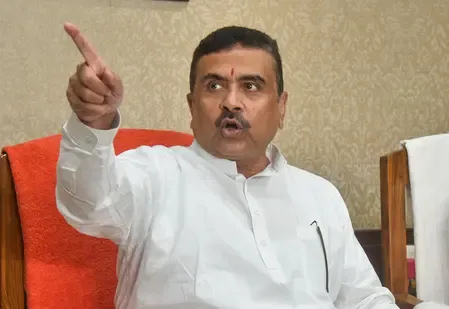
Mustard oil reportedly rose from around ₹170 to more than ₹220 a litre in a week as officials inspected Kolkata markets. Suvendu Adhikari was reported to have given traders three days to curb prices, though the source's identification of his official designation could not be independently verified.
Key Takeaways
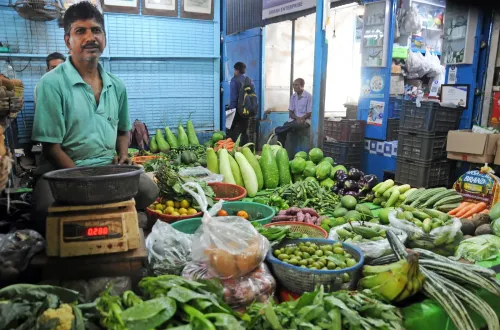
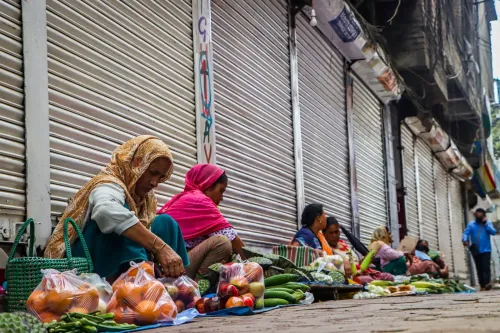
Enforcement Branch officials inspected Kole Market and Lake Market in Kolkata on Wednesday, 25 November .
Mustard oil reportedly rose from around ₹170 to more than ₹220 per litre in a week.
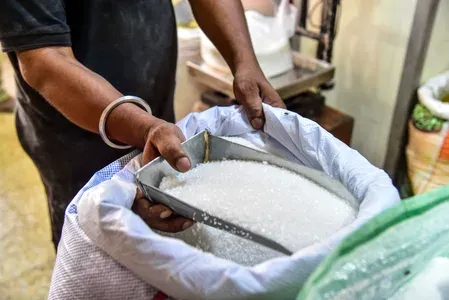
Sugar was reported at ₹68–70 per kg , up from around ₹55 per kg during Durga Puja .
The source attributes a three-day price-control warning to Suvendu Adhikari , but its description of his designation could not be independently verified.
The source says the State Agriculture Marketing Department was directed to procure produce directly from farmers and producers.
Kolkata price checks targeted essential commodities at Kole Market and Lake Market on Wednesday, 25 November, following a reported three-day deadline for traders to bring prices under control. The source account attributes the warning to Suvendu Adhikari, whom it identifies as West Bengal's Chief Minister; that designation could not be independently verified from the material supplied.
Officials from the Enforcement Branch (EB) visited the markets in West Bengal as part of a drive against alleged black marketing and artificial price increases. The checks came after a meeting with government officials and business representatives about the rising cost of food essentials.
Prices of mustard oil and sugar
Mustard oil, which had been selling for approximately ₹170 per litre a week earlier, was reportedly priced at more than ₹220 per litre. Sugar had fallen to around ₹55 per kg during Durga Puja but has since risen to ₹68–70 per kg in the retail market, according to the source account.
Those increases add to the cost of everyday purchases for households. The reported rise in mustard oil alone is more than ₹50 per litre compared with the price cited for the previous week.
During the inspections, officials spoke to consumers about the effect of rising prices and discussed the reasons for the increases with traders. The source did not provide findings from those conversations or establish what caused the price changes.
Warning to traders and officials
The inspections followed a meeting on Tuesday that the source says was chaired by Adhikari. He reportedly questioned traders' organisations about why prices had risen again after an earlier decline and sought an explanation.
According to the account, he warned that strict action would follow if prices were not brought under control within three days. Police and administration officials were also directed to act against illegal hoarding and black marketing.
The source does not specify how the deadline would be enforced or identify any trader accused of an offence. A price increase by itself does not establish that hoarding or black marketing has taken place.
Joint inspections and supply chain
The meeting also addressed coordination between the Police Enforcement Branch and the State Agriculture Marketing Department. The account says Adhikari expressed dissatisfaction with the branch's handling of the price rise and instructed officials from both departments to conduct regular joint inspections across the state.
He also called for action against middlemen allegedly manipulating prices through artificial shortages or supply-chain disruption. Those allegations are distinct from the reported retail price rises; the source provides no details of any investigation or findings against particular intermediaries.
Direct procurement plan
The State Agriculture Marketing Department was directed to procure agricultural produce directly from farmers and producers, according to the source. A state government insider who attended the meeting said the proposed mechanism was intended to prevent intermediaries from artificially inflating prices and make the supply chain more transparent.
The account does not set out a start date, procurement volumes or the commodities to be covered by the proposed arrangement. Further inspections and details of implementation will determine how the stated directions are put into practice.
Point of View
But enforcement should distinguish proven manipulation from price increases driven by other factors. Publishing inspection findings and explaining how the three-day deadline will be applied would make the response accountable. Direct procurement also needs transparent rules and pricing if it is to benefit both farmers and consumers.
NationPress
25 Nov 2026
Frequently Asked Questions
Why were Kolkata markets inspected?
Enforcement Branch officials inspected Kolkata markets as part of a drive against alleged black marketing and artificial increases in essential commodity prices. They spoke with consumers and traders about rising costs.
How much are mustard oil and sugar selling for?
Mustard oil was reportedly selling for more than ₹220 per litre, while sugar was priced at ₹68–70 per kg in the retail market. The source compares those figures with around ₹170 per litre for mustard oil a week earlier and ₹55 per kg for sugar during Durga Puja.
What deadline was reported for traders in West Bengal?
The source says Suvendu Adhikari warned traders that strict action would follow if prices were not brought under control within three days. Its identification of his official designation could not be independently verified from the material supplied.
What action was proposed on food supplies?
The State Agriculture Marketing Department was reportedly directed to procure agricultural produce directly from farmers and producers. The source does not give a start date or identify the commodities covered.
Which Kolkata markets were checked?
Enforcement Branch officials visited Kole Market and Lake Market on Wednesday morning. The source also says regular joint inspections were directed across West Bengal.