Kolkata Police raid markets to curb soaring vegetable prices across West Bengal
Synopsis
West Bengal's Enforcement Branch and Kolkata Police fanned out across markets in four districts on CM Suvendu Adhikari's orders, finding brinjal at ₹80–90/kg, tomatoes at ₹115–120/kg, and green chillies at ₹200/kg — with traders blaming July rains for the supply crunch, even as allegations of price manipulation persist.
Key Takeaways
The Enforcement Branch and Kolkata Police raided markets across West Bengal on 2 August on directions from Chief Minister Suvendu Adhikari .
Raids covered Shyambazar , Kole Market , Garia Bazaar , Jadu Babur Bazar in Kolkata, plus markets in South 24 Parganas , East Midnapore , and Nadia districts.
Green chillies were selling at ₹200/kg ; tomatoes at ₹115–120/kg ; brinjal at ₹80–90/kg .
Traders attributed the price spike to continuous July rainfall disrupting supply; authorities are also probing alleged price manipulation.
Panshkura Purba MLA Subrata Maity made a surprise visit to markets and fertiliser shops in East Midnapore .
Officials said monitoring will continue to prevent price disparities across markets.
The Enforcement Branch and Kolkata Police conducted coordinated raids across markets in West Bengal, including multiple locations in Kolkata, on Sunday, 2 August, acting on directions from Chief Minister Suvendu Adhikari to rein in vegetable prices that have surged sharply over the past several weeks. The crackdown spanned wholesale and retail markets across several districts, with officials speaking directly to sellers and buyers to gauge ground-level pricing.
Key Markets Raided
Enforcement Branch teams fanned out across Shyambazar, Kole Market, Garia Bazaar, and Jadu Babur Bazar in Kolkata. Simultaneously, the Kachari Market in Baruipur, South 24 Parganas district, was raided with personnel from Baruipur Police Station, Baruipur Municipality, and the Baruipur BDO office present during the operation. Raids were also conducted in Shantipur, Nadia district.
What Officials Found on the Ground
An official involved in the operations said, 'A few of our teams have gone out. They are saying that the prices are the same in the different markets. But monitoring is being done to ensure that prices do not vary from one market to another.' The teams questioned vegetable sellers about prevailing rates and cross-checked consistency across different market points.
In East Midnapore district, the Kolaghat block administration and Panshkura Purba MLA Subrata Maity made a surprise visit to vegetable markets and fertiliser shops in Deulia Bazar and Kolaghat areas. Maity inquired whether potatoes, onions, and other vegetables were being sold at correct prices, and also checked whether fertilisers were being charged at inflated rates.
Current Vegetable Prices in Kolkata
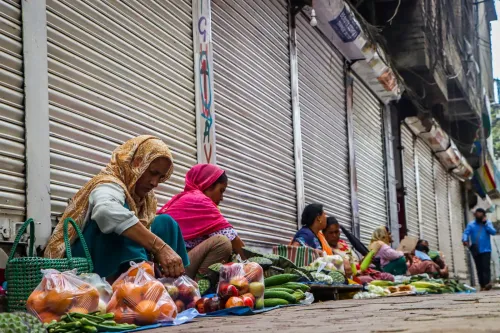
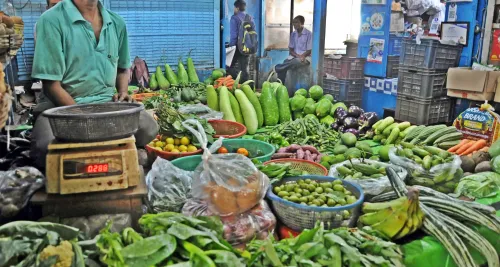
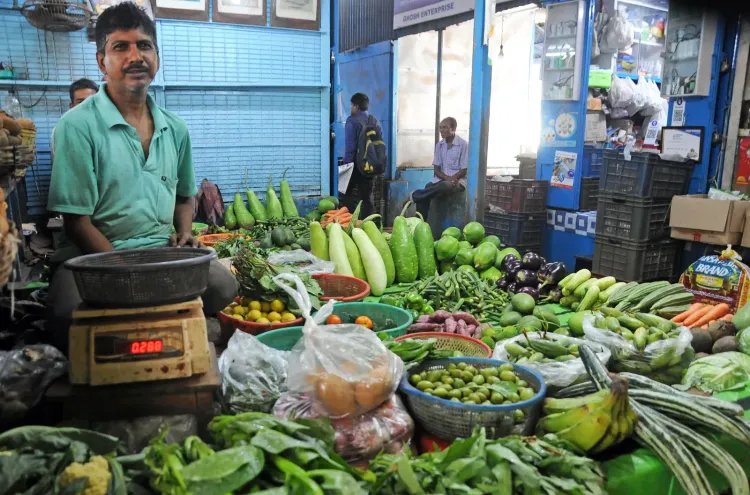
Prices across several key vegetables remain elevated. Papaya and pumpkin were not available below ₹30 per kilogram, with some vendors charging ₹40 per kilogram. Brinjal was selling at ₹80 to ₹90 per kilogram, down from even higher levels two days prior. Green chillies were priced at ₹200 per kilogram, while tomatoes were trading at ₹115 to ₹120 per kilogram.
Why Prices Surged — and What Traders Say
Traders and sellers attributed the price spike to continuous rainfall through July, which disrupted supply chains and reduced the availability of fresh produce. However, allegations of price manipulation in both wholesale and retail markets have also surfaced. Notably, many market participants pointed out that vegetable prices typically rise during the monsoon season before easing once the rains subside — a recurring seasonal pattern in West Bengal.
What Happens Next
Authorities indicated that monitoring will continue across districts to prevent price disparities between markets. The scale of Sunday's operation — spanning Kolkata, South 24 Parganas, East Midnapore, and Nadia districts — signals that the state administration is treating the price surge as a law-and-order concern as much as an economic one. Whether sustained enforcement translates into meaningful price relief for consumers will depend on supply-side recovery as the monsoon season progresses.
Point of View
But enforcement alone rarely fixes a supply-side problem. The root cause — monsoon-disrupted supply chains — will not be resolved by market raids. The more telling question is whether the state has a procurement or buffer-stock mechanism to stabilise prices during predictable seasonal shocks; West Bengal faces this pattern every July-August, yet the response remains reactive. Allegations of wholesale-level price manipulation deserve a separate, sustained investigation rather than a one-day sweep.
NationPress
16 Sept 2026
Frequently Asked Questions
Why did Kolkata Police raid vegetable markets on 2 August?
The raids were ordered by Chief Minister Suvendu Adhikari to check soaring vegetable prices that have risen sharply over the past several weeks. The Enforcement Branch and police teams visited markets across Kolkata and multiple districts to monitor pricing and probe alleged manipulation.
Which markets were raided in West Bengal?
In Kolkata, teams raided Shyambazar, Kole Market, Garia Bazaar, and Jadu Babur Bazar. Outside Kolkata, the Kachari Market in Baruipur (South 24 Parganas), markets in Kolaghat and Deulia Bazar (East Midnapore), and markets in Shantipur (Nadia) were also covered.
What are the current vegetable prices in Kolkata?
As of 2 August, green chillies were selling at ₹200 per kilogram, tomatoes at ₹115–120 per kilogram, and brinjal at ₹80–90 per kilogram. Papaya and pumpkin were not available below ₹30 per kilogram, with some vendors charging ₹40 per kilogram.
Why have vegetable prices risen so sharply in West Bengal?
Traders and sellers attribute the price spike to continuous rainfall during July, which disrupted supply and reduced the availability of fresh produce. However, authorities are also investigating allegations of price manipulation at the wholesale and retail level.
Will vegetable prices in West Bengal come down soon?
Many market participants noted that vegetable prices typically rise during the monsoon season and ease once the rains subside — a recurring seasonal pattern. Authorities said monitoring will continue across districts, but a sustained price drop is likely contingent on supply-chain recovery as the monsoon season ends.