West Bengal to hold cervical cancer vaccination camps in girls' schools
Synopsis
With its HPV vaccination drive losing momentum after reaching 1,92,940 girls, West Bengal is taking the immunisation directly into school campuses — but with a consent-first model requiring at least 50 guardian approvals per school. It is a community-trust play as much as a public health push, and its success will hinge on how quickly districts can mobilise parents.
Key Takeaways
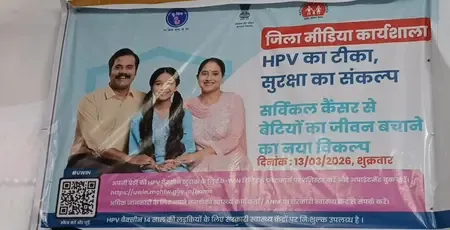
West Bengal Health Department will organise HPV vaccination camps on the premises of girls' schools across the state.
A minimum of 50 guardian consents per school is required before a camp can be set up.
1,92,940 girls were vaccinated between 30 May and 10 July 2025 under the pilot programme.
Vaccination pace slowed in the last two weeks before the July announcement, prompting the new strategy.
Each camp will have one medical officer , one vaccination staff member , one data manager , and a teacher coordinator.
Schools where on-campus camps are not feasible have been advised to map the nearest health centre as an alternative venue.
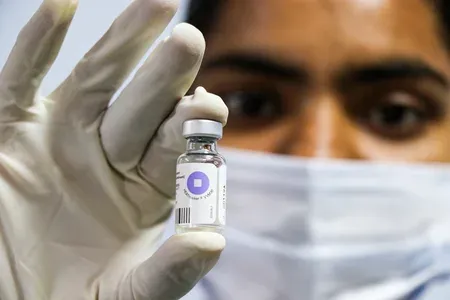
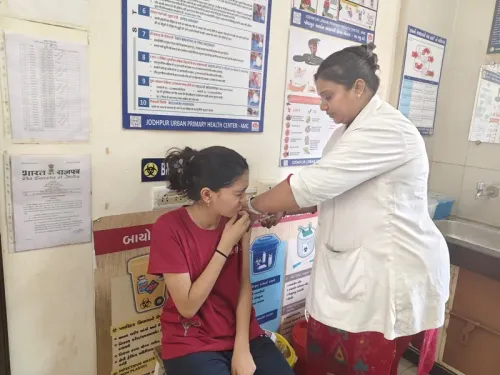
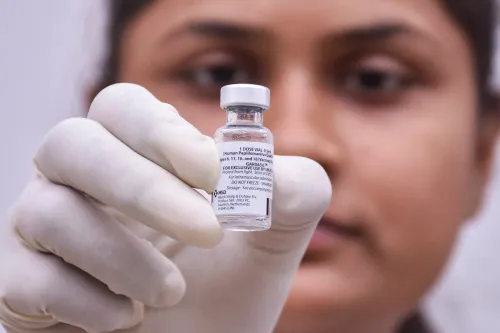
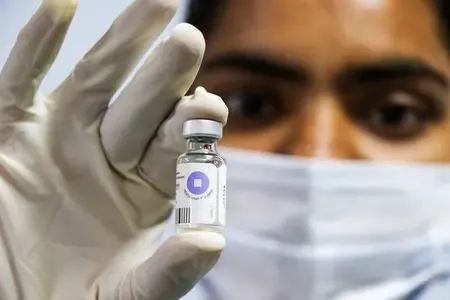
The West Bengal Health Department is rolling out a targeted plan to bring HPV vaccination camps directly to girls' schools across the state, aiming to reverse a slowdown in the cervical cancer immunisation drive that began in late May. The move follows high-level discussions within the state government and marks a significant shift in outreach strategy.
How the Camp Model Will Work
Before any vaccination camp is set up on school premises, the state government will seek written consent from parents and guardians. A minimum of 50 guardian consents from a given school will be required before a camp can be organised there, according to a state health department official.
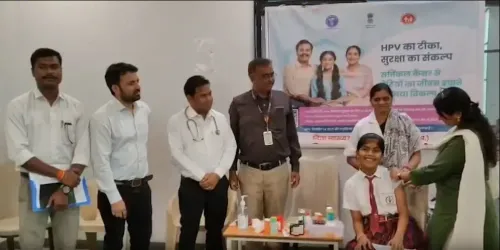
District health officials will coordinate directly with school headmistresses to arrange joint meetings between guardians and health department representatives. At these meetings, officials will explain the importance of the HPV vaccine in preventing cervical cancer and the risks of skipping immunisation, before formally seeking consent.
Each vaccination camp — whether held on school premises or at the nearest health centre — will be staffed by one medical officer, one vaccination staff member, and one data manager. A teacher from the respective school will serve as the camp coordinator. Facilities for post-vaccination observation will be available at every camp.
The Vaccination Drive So Far
The pilot programme for adolescent cervical cancer prevention was officially launched in West Bengal on 30 May 2025. According to the health department official, a total of 1,92,940 girls had been vaccinated between the end of May and 10 July 2025. However, the official acknowledged that the pace of vaccination had slowed noticeably in the two weeks leading up to the announcement.
It was this deceleration that prompted the government to adopt the school-based camp model as an accelerator. All girls' schools have also been advised to complete mapping with their nearest health centres as a fallback option in cases where on-campus camps are not feasible.
Why This Matters
Cervical cancer remains one of the leading causes of cancer-related deaths among women in India, with the Human Papillomavirus (HPV) responsible for the vast majority of cases. Reaching adolescent girls through schools is widely regarded by public health experts as one of the most effective delivery mechanisms for HPV vaccination, given the high concentration of the target demographic and the built-in trust of an educational institution.
This is not the first time a state government in India has attempted a school-based HPV immunisation push, but the consent-first model — requiring a threshold of 50 guardian approvals per school — adds a layer of community engagement that officials say is designed to build trust and reduce vaccine hesitancy.
What Comes Next
The state health department is expected to begin district-level coordination with school headmistresses in the coming days. The success of the expanded model will depend significantly on guardian participation at the awareness meetings and the speed at which schools complete health-centre mapping. Officials have not yet indicated a revised statewide vaccination target or a timeline for full rollout across all girls' schools in West Bengal.
Point of View
But requiring 50 guardian approvals per school before a camp can proceed also introduces a potential bottleneck — one dissenting community could stall access for dozens of eligible girls. West Bengal's HPV drive is already behind pace, having vaccinated under two lakh girls in six weeks against a backdrop of millions of adolescents in the state. The school-based model is internationally validated, but its effectiveness here will depend entirely on the quality of the guardian awareness meetings — which are being left to district officials with no publicly stated standardised protocol. That gap in execution design is worth watching.
NationPress
12 Jul 2026
Frequently Asked Questions
What is the West Bengal government's new plan for cervical cancer vaccination?
The West Bengal Health Department plans to set up HPV vaccination camps directly on the premises of girls' schools across the state. Where on-campus camps are not feasible, vaccination will be conducted at the nearest health centre.
How many girls have been vaccinated under West Bengal's HPV pilot so far?
A total of 1,92,940 girls were vaccinated between the end of May and 10 July 2025, since the pilot programme launched on 30 May 2025. However, the pace of vaccination slowed in the two weeks before the new school-camp strategy was announced.
What is the guardian consent requirement for school vaccination camps?
At least 50 guardians from a particular girls' school must give consent before a cervical cancer vaccination camp can be organised on that school's premises. District health officials will hold awareness meetings with guardians before seeking consent.
Who will staff each vaccination camp at schools?
Each camp will have one medical officer, one vaccination staff member, and one data manager. A teacher from the concerned school will serve as the camp coordinator, and post-vaccination observation facilities will be available.
Why is HPV vaccination important for adolescent girls?
The Human Papillomavirus (HPV) is responsible for the vast majority of cervical cancer cases, which remains one of the leading causes of cancer-related deaths among women in India. Vaccinating adolescent girls before potential exposure is widely regarded as the most effective preventive measure.