West Bengal PDS shops: Federation proposes multi-service centre model to curb price rise
Synopsis
With West Bengal reeling from floods and rising commodity prices, the All India Fair Price Shop Dealers' Federation has written to CM Suvendu Adhikari proposing that ration shops double as distribution hubs for medicines, gas cylinders, and daily essentials — a structural reimagining of the PDS network that could reshape last-mile welfare delivery in the state.
Key Takeaways
The All India Fair Price Shop Dealers' Federation has proposed converting West Bengal's PDS shops into multi-service centres to check rising prices.
The proposal, submitted to CM Suvendu Adhikari on 26 August , was signed by national general secretary Biswambhar Basu .
Key proposals include distribution of non-subsidised 5-kg gas cylinders , medicines via Pradhan Mantri Jan Aushadhi Kendra , and grain through the central 'tide-over allocation'.
The Federation cited recent floods and rapid price hikes as the immediate triggers for the proposal.
The Federation has requested a high-level meeting under State Food Minister Ashok Kirtania to take the proposal forward.
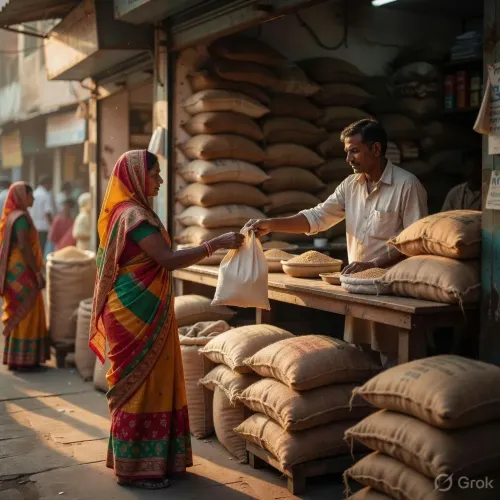
The All India Fair Price Shop Dealers' Federation has formally proposed to the West Bengal government that the state's Public Distribution System (PDS) shops be converted into multi-service centres, aiming to deliver essential commodities and services at affordable prices — including in remote areas — amid a sharp rise in market prices. The proposal was submitted via a letter to West Bengal Chief Minister Suvendu Adhikari on 26 August.
What the Federation Has Proposed
The federation's national general secretary, Biswambhar Basu, outlined a multi-pronged plan in the letter. The first proposal calls for making additional allocated rice and wheat available through the central government's 'tide-over allocation' mechanism at comparatively lower prices, directly through ration shops, to stabilise grain prices.
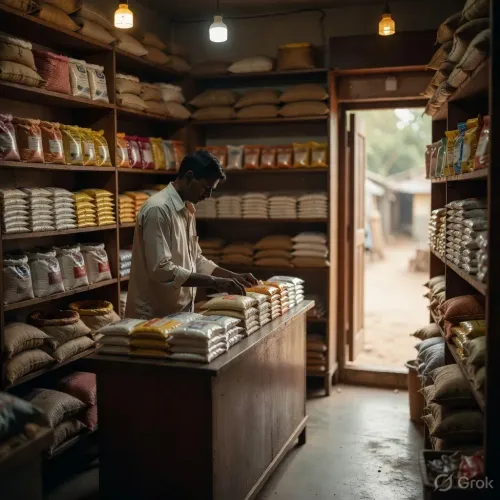
The Federation has also proposed setting up Pradhan Mantri Janaposhan Kendra and Pradhan Mantri Jan Aushadhi Kendra at ration shops, enabling the distribution of medicines and nutritional products at affordable rates alongside food staples. Additionally, the Federation has sought permission to sell non-subsidised five-kilogram gas cylinders and other daily necessities through PDS outlets.
Why the Federation Says It Matters
'The recent flood situation in the state, along with the rapid price hike, has caused problems for the common people. In such a situation, the ration dealers' organisation is ready to cooperate with the government's initiative to curb price hike,' the letter stated. The Federation argued that the extensive reach of ration dealers — particularly into rural and underserved areas — makes them an effective last-mile distribution channel.
According to Basu, if implemented, the multi-service model would allow essential goods and services to reach citizens at lower prices even in geographically remote parts of the state. The Federation stressed that ration dealers are currently prioritising community welfare over commercial gains.
Context: Floods and Rising Prices
The proposal comes against the backdrop of recent flooding in West Bengal, which has compounded the pressure of rising commodity prices on ordinary households. This is not the first time PDS infrastructure has been proposed as a vehicle for broader welfare delivery — similar ideas have been floated in other states — but the Federation's formal letter to the Chief Minister signals a coordinated push for policy action.
Notably, the Federation also indicated readiness to prepare a detailed distribution system outline in consultation with central agencies, if given the go-ahead.
What the Federation Has Requested
The letter has urged Chief Minister Adhikari to convene a high-level meeting at the earliest, to be chaired by State Food Minister Ashok Kirtania, to deliberate on the proposals. The Federation has positioned itself as a willing partner in any government-led initiative to bring prices under control through the existing ration shop network.
Whether the West Bengal government accepts the proposal and calls the requested meeting will be closely watched by ration dealers and consumer welfare advocates across the state.
Point of View
Gas, and daily essentials on top of a system that has not fully resolved its core food-distribution accountability gaps is a risk the state government would need to address head-on. The flood context adds urgency, but urgency without a credible oversight framework tends to produce more headline schemes than durable outcomes.
NationPress
11 Oct 2026
Frequently Asked Questions
What has the All India Fair Price Shop Dealers' Federation proposed for West Bengal?
The Federation has proposed converting West Bengal's PDS (ration) shops into multi-service centres capable of distributing medicines, non-subsidised gas cylinders, and daily essentials alongside food grains. The aim is to deliver essential goods at affordable prices, including in remote areas of the state.
Who is the proposal addressed to and who signed it?
The proposal was addressed to West Bengal Chief Minister Suvendu Adhikari and was signed by the Federation's national general secretary, Biswambhar Basu. The Federation has also requested a high-level meeting chaired by State Food Minister Ashok Kirtania.
Why is the Federation pushing for this change now?
The Federation cited two immediate triggers: recent flooding in West Bengal and a rapid rise in essential commodity prices, both of which have placed financial stress on ordinary households. It argued that the existing ration shop network is well-positioned for last-mile delivery.
What specific schemes does the Federation want set up at ration shops?
The Federation has proposed establishing Pradhan Mantri Janaposhan Kendra and Pradhan Mantri Jan Aushadhi Kendra at ration shops, along with permission to sell non-subsidised five-kilogram gas cylinders and other daily necessities.
How does the 'tide-over allocation' proposal help control grain prices?
Under the Federation's first proposal, additional rice and wheat allocated by the central government through the 'tide-over allocation' mechanism would be made available to consumers at comparatively lower prices via ration shops, directly undercutting open-market price spikes.