Bengal hotel fire: Govt to overhaul licence system after 18 deaths in Tarapith, Kolkata
Synopsis
Two hotel fires in one week — 18 dead, nine each at Tarapith and Kolkata — have exposed a licensing chain in West Bengal where self-declarations replaced inspections and station officers handed out fire clearances with little oversight. The state government is now weighing multi-level checks that, if enacted, would be the most significant overhaul of hotel fire safety approvals in years.
Key Takeaways
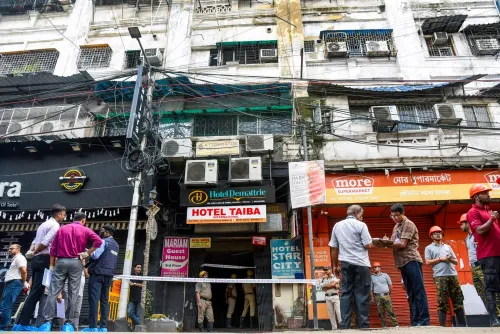
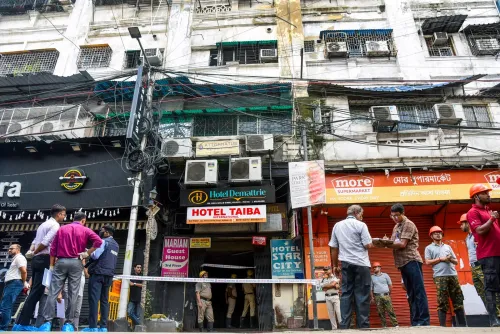
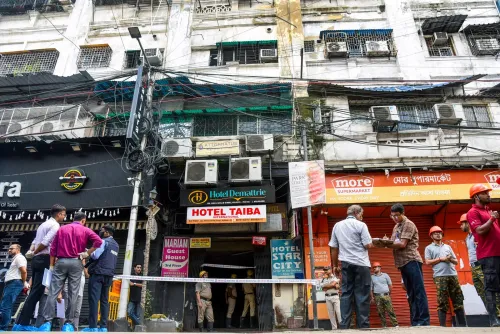
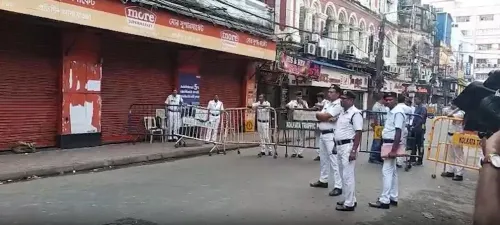
Two hotel fires in West Bengal last week — at Tarapith, Birbhum and Mirza Ghalib Street, Kolkata — killed 18 people ( nine in each incident).
A self-declaration system introduced under the previous administration allowed hotel owners to obtain fire safety certificates with minimal independent verification.
Station officers were empowered to single-handedly issue fire safety certificates and fire licences, bypassing multi-tier scrutiny.
Trade licences and electricity connections were reportedly granted near-automatically once fire clearances were in hand, with no cross-checks by civic bodies or power companies.
The state government is now considering two-stage verification for fire clearances and mandatory independent checks by civic bodies and power distributors before further approvals are granted.
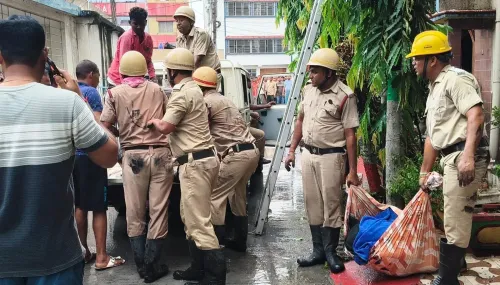
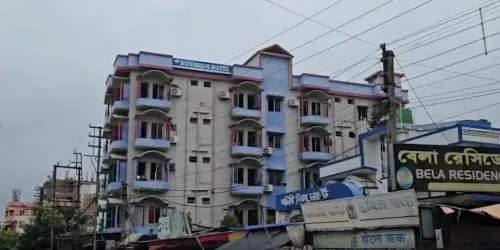
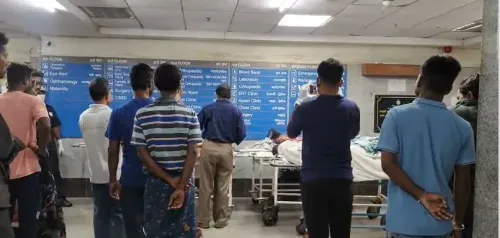
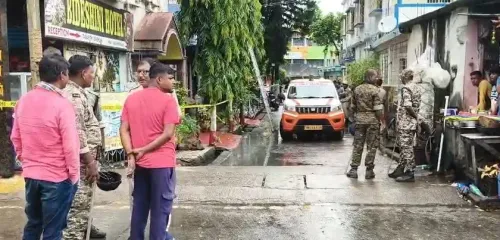
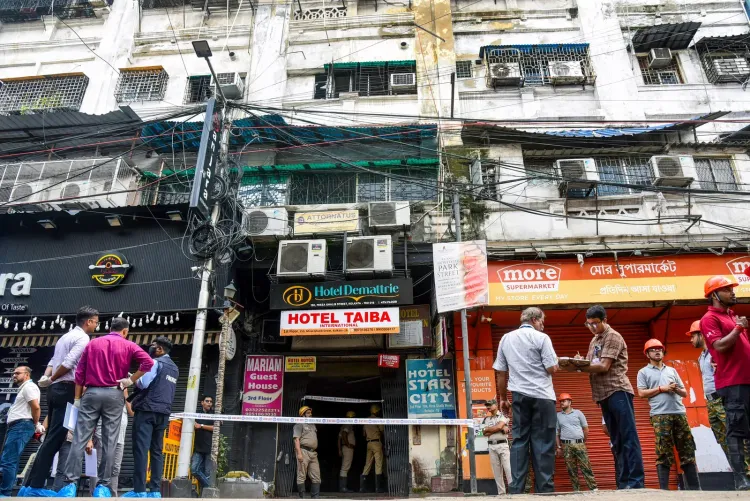
The West Bengal government has launched a review of its hotel and lodge licensing framework following two devastating fire incidents last week — one at Tarapith in Birbhum district and another at Mirza Ghalib Street, Kolkata — that together claimed 18 lives, with nine deaths recorded in each incident. State authorities are now working to identify and correct systemic flaws in the chain of permissions granted to hotels, lodges, and guesthouses across the state.
How the Flawed System Developed
An insider from the State Fire Services Department told reporters that during the previous administration, a policy decision was made to decentralise the granting of two critical permissions: fire safety certificates (also known as Fire NOCs) and fire licences. The move was reportedly aimed at accelerating the pace of licence issuance.
Under that framework, two significant changes were introduced. First, a self-declaration system was put in place, allowing hotel and lodge owners to submit their own compliance declarations. Second, station officers of individual fire service stations were empowered to issue both fire safety certificates and fire licences directly to applicants who submitted such self-declarations — without independent verification.
A Chain of Near-Automatic Approvals
'By virtue of fire safety certificates and fire licences received from the station officers, the owners of such hospitality entities managed to get trade licences and electricity connections easily without virtually any sort of cross-checks either by the civic bodies or by the power generation companies,' the departmental official said.
In effect, once a fire safety certificate and fire licence were in hand, the subsequent steps — obtaining a trade licence from the relevant civic body and securing an electricity connection from the power distribution company — became near-automatic. Critics argue this created a system where safety compliance was assumed rather than verified at each stage.
Proposed Policy Changes
According to the state fire services official, the new government is now considering multi-level checks across the entire licensing chain. The primary reform under discussion is ending the absolute authority of station officers to independently issue fire safety certificates and fire licences. Instead, these approvals would require two-stage verification — first at the station officer level and then by one or two tiers of senior authority above them.
A second proposal would end the near-automatic grant of trade licences and electricity connections based solely on fire clearances. Under the proposed framework, civic bodies and power distribution companies would be required to conduct their own independent checks before granting approvals, reducing the risk of non-compliant establishments operating undetected.
What Fire Safety Certificates and Fire Licences Mean
The official also clarified the distinction between the two key documents. A fire safety certificate, or Fire NOC, confirms that a building meets local fire safety codes and architectural safety norms. A fire licence, by contrast, is a formal operational permit issued for specific commercial activities or industrial processes. Both are foundational to a hospitality establishment's legal operation — and both, under the previous system, could be obtained with minimal scrutiny.
What Comes Next
The state government's review is ongoing, and formal policy changes are yet to be announced. The twin tragedies at Tarapith and Kolkata have intensified pressure on authorities to act swiftly. How quickly the proposed reforms are codified — and whether they extend to retrospective audits of already-licensed establishments — will determine whether the overhaul translates into meaningful accountability.
Point of View
But it effectively removed accountability from the chain. The proposed two-stage verification is a step in the right direction, but the harder question is whether the state will conduct retrospective audits of the thousands of establishments that obtained clearances under the old, permissive regime. Without that, the reform risks being prospective window-dressing while existing non-compliant hotels continue to operate.
NationPress
7 Oct 2026
Frequently Asked Questions
What happened in the Tarapith and Kolkata hotel fires?
Two separate hotel fires in West Bengal last week killed a total of 18 people — nine at a hotel in Tarapith, Birbhum district, and nine at a hotel on Mirza Ghalib Street in Kolkata. The back-to-back incidents prompted the state government to review its hotel licensing framework.
What flaw in West Bengal's licensing system is being investigated?
According to a State Fire Services Department insider, the previous administration decentralised fire safety approvals, allowing individual station officers to issue fire safety certificates and fire licences based on self-declarations by hotel owners — without independent verification. This made subsequent approvals, such as trade licences and electricity connections, near-automatic.
What policy changes is the West Bengal government considering?
The state is considering ending the single-officer authority to grant fire clearances, replacing it with a two-stage approval process involving senior departmental levels. It also proposes requiring civic bodies and power distribution companies to conduct independent checks before issuing trade licences and electricity connections.
What is the difference between a fire safety certificate and a fire licence?
A fire safety certificate, or Fire NOC, confirms that a building meets local fire safety codes and architectural norms. A fire licence is a formal operational permit for specific commercial or industrial activities. Both are required for a hotel or lodge to legally operate.
Who is affected by the proposed licensing reforms?
The reforms, if enacted, would affect all hotels, lodges, and guesthouses in West Bengal seeking new fire clearances. The key question — not yet answered by the government — is whether existing establishments licensed under the old self-declaration system will face retrospective audits.