West Bengal to open Janaushadhi Kendras in 16 medical colleges under PPP model
Synopsis
West Bengal is plugging into a national scheme it had long sidestepped — Janaushadhi Kendras are coming to 16 state medical colleges under a PPP model, with 11 in Kolkata alone. The move signals a deliberate alignment between the Suvendu Adhikari government and Union government welfare programmes, reversing the previous TMC administration's stance.
Key Takeaways
West Bengal will establish 16 PMBJKs at state-run medical colleges under a PPP model to supply affordable generic medicines.
11 of the 16 centres will be located in Kolkata ; the remaining five will cover Nadia, Murshidabad, North 24 Parganas, West Midnapore , and Howrah .
The tendering process to select private operators has already begun, with instructions to fast-track selection.
The previous Trinamool Congress government had not introduced the PMBJK scheme in state-run hospitals.
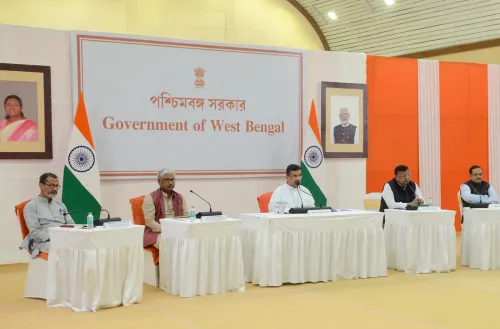
The initiative is part of a broader push by Chief Minister Suvendu Adhikari's government to align with Union government welfare schemes.
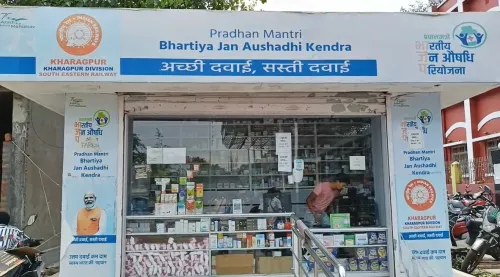
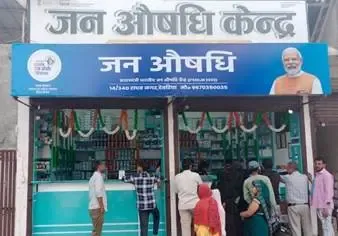
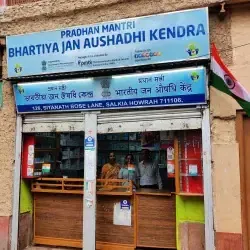
The West Bengal government has decided to establish Pradhan Mantri Bhartiya Janaushadhi Kendras (PMBJKs) at 16 state-run medical colleges and hospitals under the public-private partnership (PPP) model, aiming to make quality medicines available to patients at significantly lower prices. The initiative marks a notable policy shift for the state, which had not previously integrated the central scheme into its government-run health facilities.
Why the PPP Model Was Chosen
Officials in the State Health and Family Welfare Department said the PPP route was selected to ensure efficient day-to-day operations and sustained maintenance of the centres, in addition to keeping medicine prices affordable. 'Besides setting up and running these PMBJKs, proper maintenance of the centres is another important consideration. This is also one of the reasons behind the decision to adopt the PPP model,' a Health and Family Welfare Department official said.
The tendering process to identify and select private organisations for setting up and operating the centres is already under way. 'Instructions have been issued to complete the tendering process quickly and select private organisations that meet the prescribed standards so that the centres can be launched at the earliest,' the official added.
Where the Centres Will Come Up
In the first phase, all 16 PMBJKs will be located within medical college and hospital campuses across the state. Of these, 11 centres will be situated in Kolkata, making the capital the focal point of the rollout. The remaining five will be distributed one each across the districts of Nadia, Murshidabad, North 24 Parganas, West Midnapore, and Howrah, according to the department.
A Break from the Previous Government's Stance
The move represents a clear departure from the approach of the previous Trinamool Congress (TMC) government, which, according to reports, had not taken any initiative to introduce the PMBJK scheme in state-run medical colleges and hospitals. Several other state governments had adopted the model in preceding years.
Sources at the state secretariat, Nabanna, indicated that West Bengal's engagement with various welfare programmes of the Union government has accelerated since the new government took office under Chief Minister Suvendu Adhikari. The Janaushadhi Kendra expansion is described as part of that broader realignment between the state and central governments.
What This Means for Patients
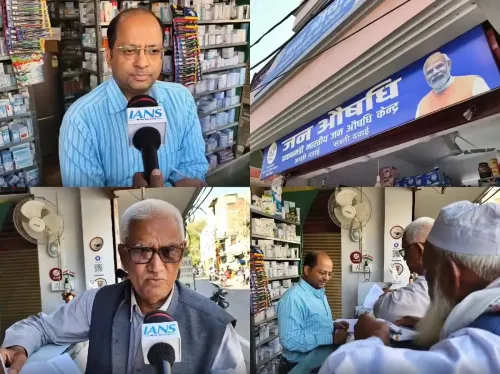
PMBJKs stock generic medicines at prices that are typically far lower than branded equivalents, offering relief to patients who rely on government hospitals for treatment. By embedding these outlets within medical college campuses — where patient footfall is among the highest in the state — the initiative could directly benefit a large segment of lower-income patients who currently bear significant out-of-pocket medicine costs.
With tendering already in motion, the state government's timeline points toward an early launch, though an official inauguration date has not yet been announced.
Point of View
Two chronic weak points in government pharmacy initiatives elsewhere. The concentration of 11 centres in Kolkata also raises questions about equitable reach into districts where generic medicine access is arguably far more acute.
NationPress
14 Oct 2026
Frequently Asked Questions
What are Pradhan Mantri Bhartiya Janaushadhi Kendras (PMBJKs)?
PMBJKs are government-backed pharmacy outlets that sell quality generic medicines at prices significantly lower than branded equivalents. They are part of a central government scheme aimed at reducing out-of-pocket medicine expenses for ordinary citizens.
Where will West Bengal's Janaushadhi Kendras be located?
In the first phase, 16 PMBJKs will be set up at state-run medical colleges and hospitals — 11 in Kolkata and one each in Nadia, Murshidabad, North 24 Parganas, West Midnapore, and Howrah districts.
Why is West Bengal using the PPP model for these centres?
According to the State Health and Family Welfare Department, the PPP model was chosen to ensure efficient operations, proper maintenance of the centres, and sustained availability of affordable medicines — areas where fully government-run outlets have faced challenges in other states.
When will the centres open?
No official inauguration date has been announced yet. The tendering process to select private operators is already under way, with state authorities instructed to complete it quickly so the centres can launch at the earliest.
Why did West Bengal not have PMBJKs in state hospitals before?
According to reports, the previous Trinamool Congress government had not taken any initiative to introduce the PMBJK scheme in state-run medical colleges and hospitals, even as several other state governments had adopted the model. The current government under Chief Minister Suvendu Adhikari has moved to close that gap.