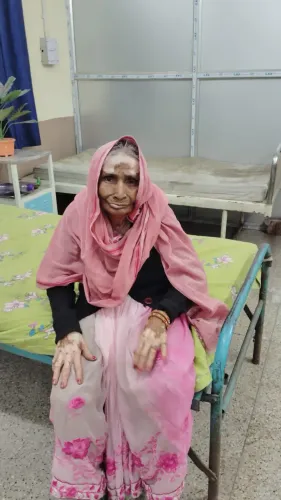
Bengal woman with mental illness abandoned by husband, in-laws after Mumbai rescue

Synopsis
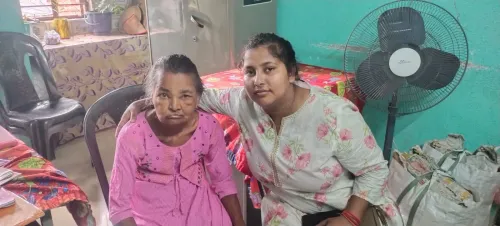
Rescued from an alleged trafficking attempt at a Pune railway station, a mentally ill woman from Howrah has spent nearly 10 years in a Mumbai shelter — only for her husband, in-laws, and even her brother to refuse to take her back. Amateur radio operators who tracked her family now face a harder battle: securing her legal rights as a married woman against a family that would rather forget her.
Key Takeaways
A mentally ill woman from Gangarampur, Uluberia, Howrah has been in a Mumbai shelter home for nearly 10 years after being rescued from an alleged trafficking attempt at Shivaji Nagar station, Pune .
Her husband and in-laws have refused to take her back, reportedly questioning what she had ‘been up to’ while missing.
The West Bengal Radio Club (WBRC) traced her family after Mumbai shelter authorities identified her as a Bangla speaker.
Her daughter responded positively to photographs, but the rest of the family — including a government-employee brother — declined to accept her.
The WBRC has asked Mumbai authorities to begin her medical treatment and has pledged to pursue her legal rights as a married woman.
A mentally ill woman from West Bengal, rescued from an alleged trafficking attempt nearly a decade ago and sheltered in Mumbai, remains stranded after her husband and in-laws in Howrah district refused to take her back — leaving amateur radio operators scrambling to secure her rights. The case has spotlighted both the vulnerability of women with mental illness and the gaps in family accountability under Indian law.
How the Woman Was Found
The woman, a resident of Gangarampur in Uluberia, Howrah, is the mother of a 20-year-old son and a 16-year-old daughter. Relatives allege she lost her mental stability following sustained torture by her husband, after which she began straying from home.
About six years ago, she was first traced to Gujarat and returned to her matrimonial home. However, according to Ambarish Nag Biswas, secretary of the West Bengal Radio Club (WBRC), neither her husband nor her in-laws arranged for her medical treatment, and she went missing again.
She was subsequently spotted by the Railway Protection Force (RPF) at Shivaji Nagar station in Pune, where she had allegedly been drugged by individuals attempting to traffic her. Security personnel rescued her before the traffickers could be apprehended and admitted her to a hospital. A court thereafter directed that she be placed in a shelter home for women in Mumbai, where she has remained for close to 10 years.
WBRC's Role in Tracing the Family
The West Bengal Radio Club is a network of amateur radio operators — commonly known as HAMs — that works alongside government agencies to establish alternative communication channels during natural disasters such as cyclones. The organisation also assists police and shelter authorities in reuniting mentally ill individuals with their families.
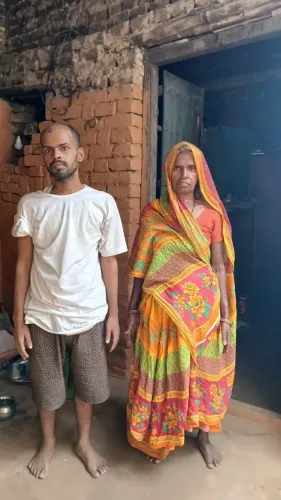
After shelter home authorities and the Mumbai Police identified the woman as a Bangla speaker, they contacted the WBRC for help. The club traced her family to Gangarampur. “Her daughter was overjoyed when she saw photographs and videos of the woman,” Nag Biswas said. “However, the husband and other in-laws have refused to take her back.”
Family's Refusal and Its Implications
The husband's family reportedly contended that they are uncertain about what the woman had ‘been up to’ during the years she was missing — a stance that advocates for women's rights are likely to challenge, given that she was a documented victim of an alleged trafficking attempt.
The WBRC also reached out to the woman's brother, a government employee, but he too reportedly showed little willingness to accept her. The combined refusal by both her matrimonial and natal families leaves her without any immediate support network.
What Happens Next
With family reunification blocked for now, the WBRC has urged Mumbai authorities to prioritise the woman's medical treatment at her current location. “Once her condition improves, we will do whatever is necessary to ensure that she is not deprived of her rights as a married woman,” Nag Biswas said.
The case raises urgent questions about the enforcement of conjugal rights and the obligations of families toward members with mental illness under Indian law. Advocates say the woman may be entitled to maintenance and rehabilitation support through legal channels, regardless of her family's consent.
Point of View
Then by the families who should have sought them. The husband's reported inaction after the woman's first return from Gujarat — no treatment, no safeguards — is the crux of the story, yet it risks being buried under the procedural drama of radio operators and shelter paperwork. The legal question of whether a husband can simply refuse to accept a wife with a documented mental illness deserves scrutiny. India's Mental Healthcare Act, 2017 and personal law both carry obligations that this family appears to be evading without consequence.
NationPress
30 Sept 2026
Frequently Asked Questions
Who is the West Bengal woman stranded in Mumbai, and how did she get there?
She is a mentally ill woman from Gangarampur, Uluberia in Howrah district, West Bengal, and the mother of two children. She allegedly lost her mental balance after facing torture at home, began straying, and was eventually rescued by the Railway Protection Force at Shivaji Nagar station in Pune, where she had reportedly been drugged by individuals attempting to traffic her. A court subsequently placed her in a Mumbai shelter home, where she has lived for nearly 10 years.
Why have the husband and in-laws refused to take her back?
According to reports, the husband's family contended that they are unsure about what the woman had 'been up to' during the years she was missing. They have not provided a formal legal reason for the refusal. Her brother, a government employee, has also reportedly declined to accept her.
What is the West Bengal Radio Club and how did it get involved?
The West Bengal Radio Club (WBRC) is an organisation of amateur radio (HAM) operators with a nationwide network. It works with government agencies during natural disasters and also helps reunite missing persons — particularly those with mental illness — with their families. Mumbai shelter authorities contacted the WBRC after identifying the woman as a Bangla speaker.
What will happen to the woman now?
The WBRC has requested Mumbai authorities to arrange medical treatment for the woman at her current shelter. The organisation has also pledged to pursue her legal rights as a married woman once her condition improves, which could include seeking maintenance or rehabilitation through the courts.
Was anyone arrested in connection with the trafficking attempt?
No. According to reports, the individuals who allegedly drugged the woman at Shivaji Nagar station in Pune could not be apprehended by security personnel, though the woman was rescued before any harm could be carried out.