West Bengal urban penalty for spitting, littering, urination from September 1
Synopsis
West Bengal became one of the few Indian states to enforce a uniform, state-wide urban penalty regime — covering spitting, littering, and open urination — from 1 September, with a digital-only payment mandate that signals a cashless turn in civic enforcement. The two-month ministerial awareness blitz that preceded it makes this a political statement as much as a public health one.
Key Takeaways
West Bengal launched a financial penalty system for public spitting, littering, and urination across all urban areas from 6 am, 1 September .
Fines: ₹100 for spitting; ₹200 each for public urination, littering, and carrying banned plastic bags under 120 microns .
All penalties must be paid in digital mode only — no cash accepted.
The regulation covers every municipal corporation, municipality, and notified area in the state; all district magistrates have been notified.
Minister Agnimitra Paul led a two-month awareness drive through July and August before enforcement began.
The state is simultaneously enforcing a ban on single-use plastic items below 120 microns for both sellers and buyers.
West Bengal has rolled out a financial penalty system across all urban areas starting 6 am on Tuesday, 1 September, targeting public spitting, littering, and open urination. The regulation, which covers every municipal corporation, municipality, and notified area in the state, comes after a two-month awareness campaign led by state municipal affairs and urban development minister Agnimitra Paul.
Fines and What They Cover
The penalty structure is tiered: spitting in public places attracts a fine of ₹100, while public urination and littering — including carrying banned plastic bags under 120 microns — each draw a penalty of ₹200. Notably, all fines must be paid in digital mode only; no cash transactions will be accepted under the new system.
Shop owners have been specifically barred from dumping garbage outside their establishments on public roads. The state is simultaneously enforcing a strict ban on single-use plastic items below 120 microns, applicable to both sellers and buyers.
Where Enforcement Will Be Focused
Authorities have identified priority surveillance zones: roads, sewers, water bodies, markets, hospitals, educational institutions, religious places, and government buildings. All district magistrates across the state received formal notifications to ensure strict compliance from day one.
The regulation's official catchline — Do not litter. Do not spit in public places, streets, hospitals, etc. Keep Bengal clean
— reflects the state administration's framing of the drive as a civic transformation effort rather than merely a punitive measure.
The Awareness Drive That Preceded It
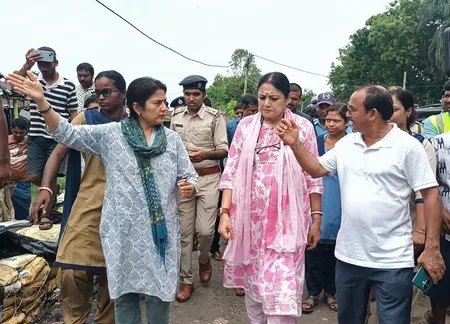
According to a departmental officer, the awareness campaign ran through July and August, with Minister Paul herself taking to the streets — at times cleaning roads with a broom and at other times distributing dustbins to residents. The message of awareness has been conveyed throughout July and August, with the minister herself leading the drive being in the forefront. However, from September, anyone who would resort to spitting, littering and urinating in public will be fined,
the officer said.
Paul had earlier ruled out any extension of the deadline, stating that the prior outreach had been extensive enough. True to that announcement, the system went live without delay on Tuesday morning.
Broader Context
West Bengal's move mirrors similar urban cleanliness enforcement drives seen in other Indian states, though the mandatory digital-only payment mode sets it apart as a step toward cashless civic governance. This is the first time such a structured, state-wide penalty framework has been applied uniformly across West Bengal's entire urban local body network. With enforcement now underway, the effectiveness of the system will depend on how consistently civic officials and district administrations monitor compliance on the ground.
Point of View
But the real test is enforcement density — how many civic inspectors are actually deployed on the ground versus how vast the urban sprawl is. The digital-only payment mandate is a progressive design choice that creates an audit trail, but it also risks friction in areas with low digital literacy. Notably, the political optics of a minister cleaning streets with a broom are well-crafted, yet sustained behavioural change in Indian cities has historically outlasted no single awareness campaign. Whether this becomes a genuine civic shift or a September headline will be visible within the next quarter.
NationPress
16 Oct 2026
Frequently Asked Questions
What are the fines for spitting, littering, and public urination in West Bengal urban areas?
Spitting in public attracts a fine of ₹100, while public urination and littering — including carrying plastic bags under 120 microns — each carry a penalty of ₹200. All fines must be paid digitally; no cash payments are accepted.
From when did West Bengal's urban cleanliness penalty system come into effect?
The penalty system came into force from 6 am on Tuesday, 1 September, covering all municipal corporations, municipalities, and notified areas across West Bengal's urban regions.
Who led the awareness campaign before enforcement began?
State municipal affairs and urban development minister Agnimitra Paul led the awareness drive throughout July and August, personally participating in street-cleaning activities and distributing dustbins to residents.
Which areas will be monitored under the new regulation?
Authorities will focus surveillance on roads, sewers, water bodies, markets, hospitals, educational institutions, religious places, and government buildings across all urban local bodies in West Bengal.
Is the single-use plastic ban part of the same regulation?
Yes, West Bengal is simultaneously enforcing a ban on single-use plastic items under 120 microns, applicable to both sellers and buyers. Shop owners are also barred from dumping garbage outside their premises on public roads.