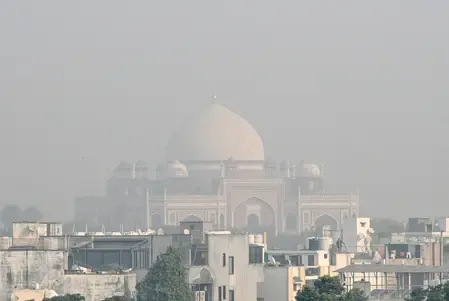
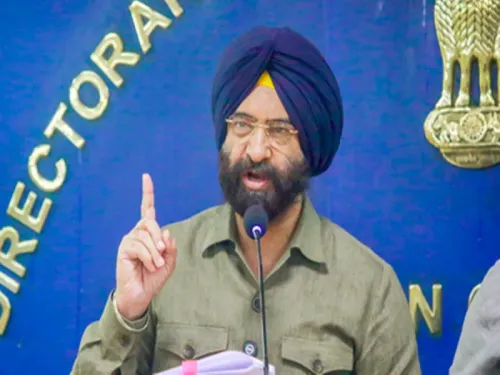
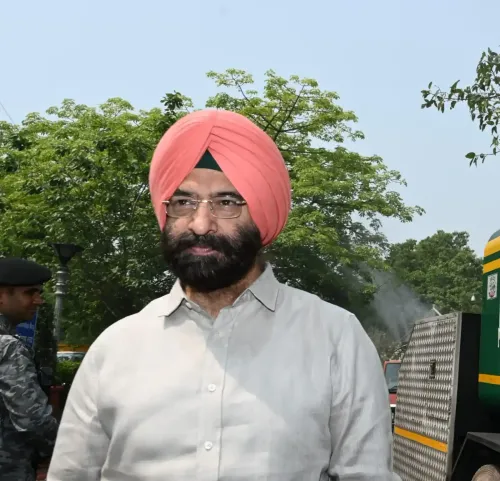
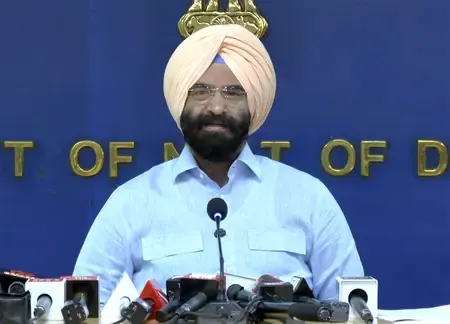
Delhi AQI at 191 on Oct 24, best in a decade: Environment Minister
Synopsis
Delhi's AQI on 24 October 2026 hit 191 — the best reading for this date in ten years and a dramatic fall from 306 in 2024. With nearly 10,000 vehicle challans issued and over 2,800 km of roads mechanically swept in a single day, the capital's 'war mode' anti-pollution drive appears to be delivering measurable results — though the real test arrives as November's worst smog weeks approach.
Key Takeaways
Delhi's AQI on 24 October 2026 stood at 191 (Moderate) — the best for this date in a decade, excluding the Covid-19 period.
AQI on the same date was 306 in 2024 and 275 in 2025 , reflecting a sustained downward trend.
The improvement was attributed to measures under Chief Minister Rekha Gupta and Environment Minister Manjinder Singh Sirsa .
In the preceding 24 hours , authorities issued 9,883 vehicle challans and removed 12,702 metric tonnes of waste.
1,075 km of roads were water-sprinkled and 2,810 km mechanically swept to control dust.
The anti-pollution campaign is set to continue 'in war mode' with strict enforcement and public participation.
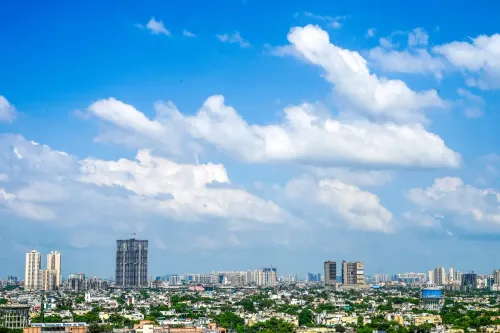
Delhi's air quality on 24 October 2026 registered an Air Quality Index (AQI) of 191 (Moderate) — the best reading for this date in a decade, according to Delhi Environment Minister Manjinder Singh Sirsa. Excluding the Covid-19 period, this is the most favourable AQI recorded for 24 October in ten years, marking what officials describe as a significant milestone in the capital's battle against air pollution.
A Decade of Comparison
The year-on-year improvement is stark. The AQI on 24 October stood at 306 in 2024, dropped to 275 in 2025, and has now fallen further to 191 in 2026. That trajectory — a drop of over 100 AQI points in two years — points to a sustained, if still incomplete, improvement in the capital's air.
What the Government Said
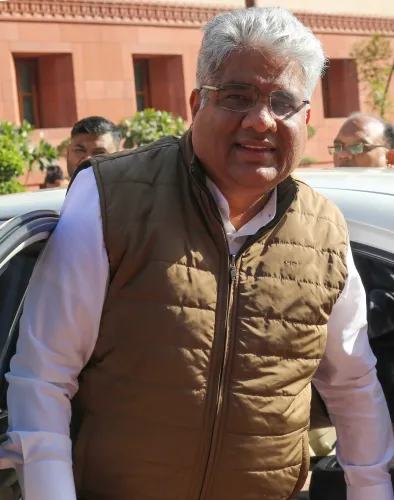
Minister Sirsa attributed the improvement to a multi-pronged pollution control strategy. 'The improvement reflects the impact of sustained pollution mitigation measures, intensified enforcement and coordinated interventions by various government agencies to address the major sources of pollution across the capital,' he said. He credited the approach under Chief Minister Rekha Gupta, which combines field-level enforcement, regular inspections, district-level reviews, and technology-enabled monitoring.
Key Actions in the Last 24 Hours
The Delhi government and associated agencies undertook a series of concrete enforcement steps in the 24 hours preceding the announcement. These included:
- 9,883 vehicle challans issued to curb vehicular pollution
- 12,702 metric tonnes of waste removed from identified areas
- 1,075 km of roads covered through water sprinkling to control road dust
- 2,223 metric tonnes of construction and demolition (C&D) waste lifted
- 2,810 km of roads covered through mechanical sweeping
Why It Matters
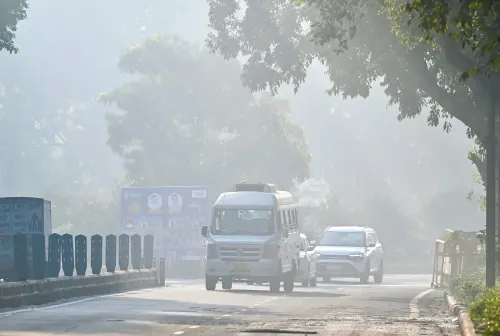
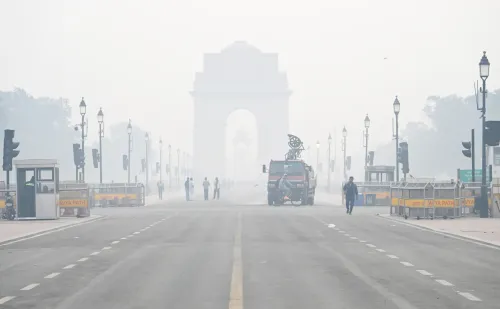
Delhi consistently ranks among the world's most polluted capitals in the October-November window, when post-monsoon conditions, stubble burning in neighbouring states, and cooler temperatures trap particulate matter close to the ground. An AQI of 191, while still in the 'Moderate' category, represents a meaningful break from the 'Very Poor' and 'Severe' readings that have historically characterised this period. Notably, this is the first time in at least ten years that the city has avoided the 200+ AQI mark on this specific date outside of pandemic-induced lockdowns.
What Comes Next
Minister Sirsa reiterated that the anti-pollution campaign would continue 'in war mode,' with a focus on accountability, enforcement, and public participation. All concerned departments and agencies have been directed to maintain strict vigilance and take prompt action against violations. Whether the city can sustain this improvement as temperatures drop further through November — historically the worst month for Delhi's air — will be the real test of the measures now in place.
Point of View
But the bar it clears — bettering a 306 from just two years ago — is also a reminder of how dire the baseline was. The 'Moderate' tag still means vulnerable groups face health risk, and the city's most dangerous smog weeks typically begin in early November, when stubble burning peaks in Punjab and Haryana. What is missing from the government's account is any structural progress on those neighbouring-state fires, which remain outside Delhi's enforcement reach. One clean October day does not resolve a structural seasonal crisis; the real accountability test will be the November average, not a single-date record.
NationPress
24 Oct 2026
Frequently Asked Questions
What is Delhi's AQI on 24 October 2026?
Delhi's Air Quality Index on 24 October 2026 was recorded at 191, placing it in the 'Moderate' category. This is the best AQI recorded for this specific date in a decade, excluding the Covid-19 period.
How does the 2026 AQI compare to previous years on the same date?
The AQI on 24 October was 306 in 2024 and 275 in 2025, compared to 191 in 2026. This represents a decline of more than 100 AQI points over two years, indicating a consistent improvement trend.
What measures did the Delhi government take to improve air quality?
In the 24 hours preceding the announcement, authorities issued 9,883 vehicle challans, removed 12,702 metric tonnes of waste, sprinkled water over 1,075 km of roads, lifted 2,223 metric tonnes of C&D waste, and mechanically swept 2,810 km of roads. The broader strategy includes field enforcement, technology-enabled monitoring, and district-level reviews.
Who announced the improvement in Delhi's air quality?
Delhi Environment Minister Manjinder Singh Sirsa announced the AQI figure on Saturday, 24 October 2026. He credited the improvement to a comprehensive anti-pollution drive under Chief Minister Rekha Gupta.
Will Delhi's air quality stay at these levels through November?
Officials have said the anti-pollution campaign will continue 'in war mode,' but November is historically Delhi's worst month for air quality, driven by stubble burning in neighbouring states and falling temperatures. Sustaining the current improvement through November will be the critical test.