Pralhad Joshi joins KISAR fertility conference in Hubballi
Synopsis
Union Minister Pralhad Joshi attended the 11th KISAR Annual Conference in Hubballi on 24 October 2026, themed 'Together in Infertility: Inclusive Care, Shared Dreams', spotlighting inclusive reproductive healthcare and India's growing fertility medicine standards.
Key Takeaways
Union Minister Pralhad Joshi attended the 11th KISAR Annual Conference in Hubballi on 24 October 2026 .
The event was co-organised by KISAR and the Hubballi-Dharwad OBG Society under the theme 'Together in Infertility: Inclusive Care, Shared Dreams' .
Padma Shri awardee Dr Kamini A Rao , a leading fertility specialist, was a distinguished participant alongside KISAR president Dr Lavanya Kiran and founding president Dr Madhuri Patil .
KISAR , founded in 2011 , focuses on continuous medical education, ethical practice, and professional collaboration in reproductive medicine across Karnataka.
The conference highlighted three national priorities: quality infertility care access, reproductive health awareness, and democratising modern medical research benefits.
Joshi tied the event to the Modi government's health infrastructure expansion and the goal of affordable, universal healthcare.
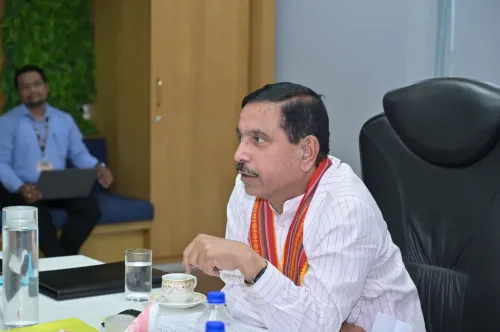
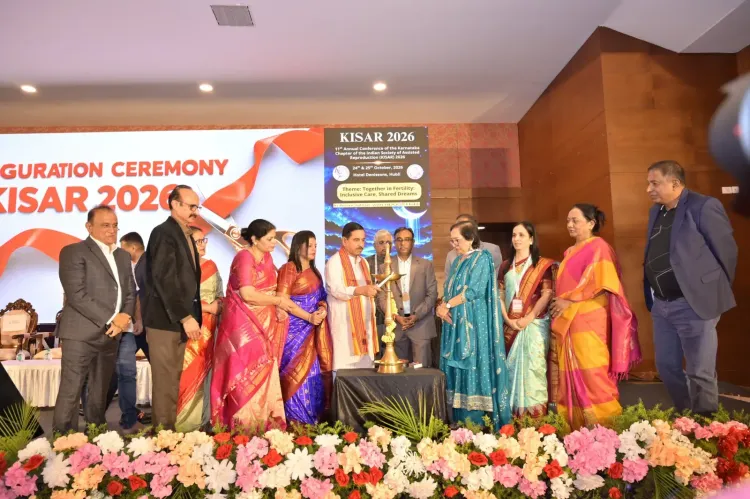
A room full of fertility specialists, a Padma Shri gynecologist on the dais, and a Union Minister in the audience — Hubballi hosted a rare convergence of medical excellence and political attention on Saturday, 24 October 2026, as Union Consumer Affairs and New and Renewable Energy Minister Pralhad Joshi attended the 11th Annual Conference of the Karnataka Chapter of the Indian Society for Assisted Reproduction (KISAR), co-organised with the Hubballi-Dharwad OBG Society.
The conference carried the theme 'Together in Infertility: Inclusive Care, Shared Dreams' — a declaration, not just a slogan. It foregrounded three priorities that have long remained aspirational in India's reproductive health landscape: making quality medical care accessible to couples struggling with infertility, building broader public awareness about reproductive health, and ensuring the benefits of modern medical research reach communities beyond metropolitan centres.
Padma Shri Dr Kamini Rao leads a stellar gathering
The conference brought together some of the country's most recognised names in reproductive medicine. Dr Kamini A Rao, a Padma Shri-awarded gynecologist widely regarded as a pioneer in assisted reproduction in India, was among the distinguished attendees, alongside Dr Pratap Rao. The KISAR leadership was well represented: President Dr Lavanya Kiran, Secretary Dr Anuradha Khar, Founding President Dr Madhuri Patil, and Vice President Dr Ashwini G B were present, as were Dr Shankar Bijapur, Dr Suma, Dr Ravi, and Dr Prakash. MLA Arvind Bellad also attended, reflecting local political engagement with the event.
KISAR's fifteen-year push for standards in Karnataka
Founded in 2011, KISAR has spent over a decade working to raise the bar for reproductive medicine across Karnataka. Its model rests on four pillars: continuous medical education, hands-on practical training, promotion of ethical and evidence-based practice, and creation of professional networking platforms that allow specialists — especially those outside Bengaluru — to collaborate and stay current.
That mission sits directly within the broader regulatory architecture India has been building. The Assisted Reproductive Technology (Regulation) Act, 2021 established the country's first dedicated statutory framework for ART clinics and banks, mandating registration, ethical guidelines, and oversight. Bodies like KISAR serve as the professional backbone that gives such legislation real operational teeth at the state level.
Modi government's health expansion as the backdrop
Joshi, in his post, tied the conference to the larger arc of health policy under Prime Minister Narendra Modi — pointing to ongoing efforts to strengthen health infrastructure, expand quality services, and make affordable care universally accessible. The framing places specialist reproductive medicine within the wider agenda of broadening healthcare delivery beyond urban centres, an ambition that Karnataka's fertility medicine community has been advancing from the ground up for over a decade.
For the couples at the centre of this story — those navigating infertility, often in silence, often far from a well-equipped clinic — the message from Hubballi is direct: the medical community and policymakers are watching, and the gap between aspiration and access is meant to close.
Point of View
Accessible, evidence-based care — with ground-level professional activity in Karnataka, a state where the party faces stiff competition. Linking PM Modi's health infrastructure push to a KISAR event also positions reproductive medicine, historically underfunded and stigmatised, within the mainstream policy conversation. With the ART Regulation Act of 2021 still being embedded at the state level, political visibility for bodies like KISAR can accelerate institutional compliance and public trust. The Hubballi setting — Joshi's own constituency backyard — reinforces the local electoral dividend such engagements are designed to yield.
NationPress
24 Oct 2026
Frequently Asked Questions
What is KISAR and what does it do?
KISAR is the Karnataka Chapter of the Indian Society for Assisted Reproduction, founded in 2011. It works to raise standards in reproductive medicine across Karnataka through continuous medical education, practical training, promotion of ethical and evidence-based practice, and professional networking for fertility specialists.
What was the theme of the 11th KISAR annual conference?
The conference was held under the theme 'Together in Infertility: Inclusive Care, Shared Dreams', focusing on equitable access to quality infertility treatment, public awareness about reproductive health, and wider dissemination of modern medical research.
Who is Dr Kamini A Rao?
Dr Kamini A Rao is a Padma Shri-awarded gynecologist and fertility specialist widely recognised as a pioneer in assisted reproduction in India. She was among the distinguished attendees at the Hubballi conference.
What is the ART Regulation Act 2021?
The Assisted Reproductive Technology (Regulation) Act, 2021 is India's first dedicated statutory framework for ART clinics and banks, establishing mandatory registration, ethical guidelines, and regulatory oversight for fertility treatment providers across the country.
Why did Pralhad Joshi attend the KISAR conference?
Joshi attended as a senior BJP leader and Union Minister from Karnataka to engage with the medical community on reproductive health. He linked the event to the Modi government's broader push to strengthen health infrastructure and make quality care accessible and affordable for all Indians.