Dr. Jitendra Singh flags Bhaderwah school's wasteland-to-kitchen-garden leap
Synopsis
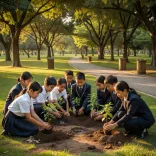
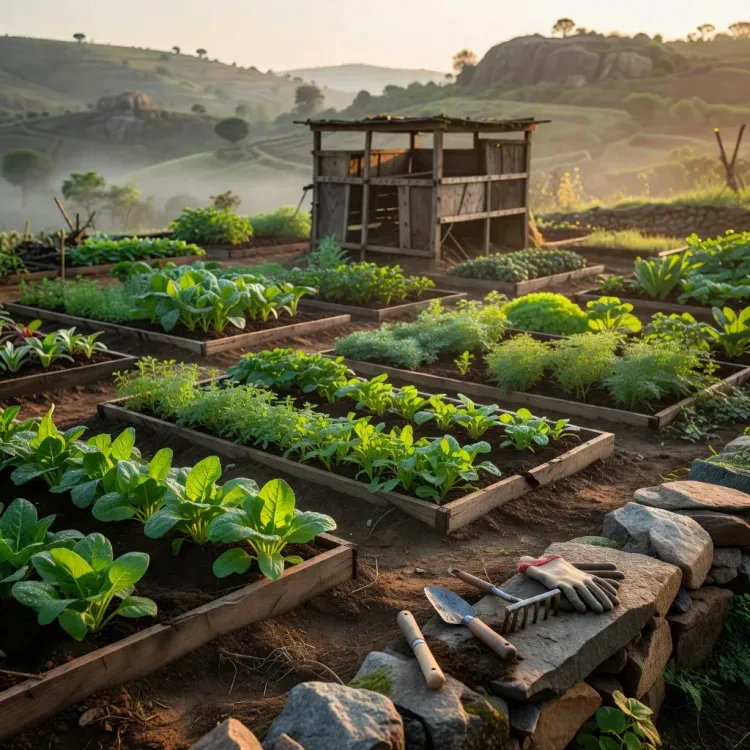
The Eco-Club at Govt. Higher Secondary School Beararu, Bhaderwah, has converted wasteland into a natural-farming kitchen garden supplying chemical-free vegetables to students' PM POSHAN mid-day meals — a model Union Minister Dr. Jitendra Singh spotlighted on 26 September 2026.
Key Takeaways
Government Higher Secondary School Beararu in Bhaderwah, Doda district, J&K has transformed a wasteland into a working kitchen garden through its Eco-Club.
The garden uses natural farming methods to grow chemical-free vegetables for students' mid-day meals.
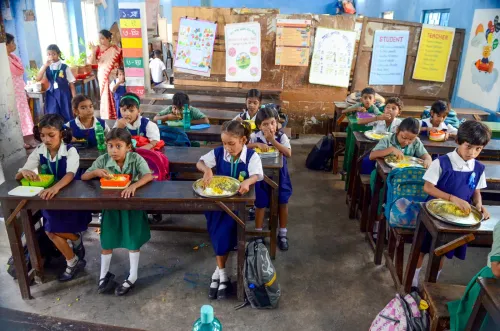
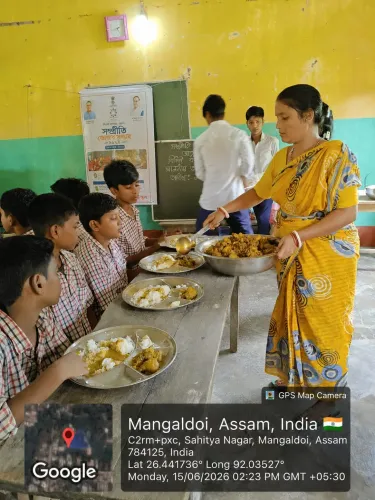
Produce is channelled into the PM POSHAN scheme, India's central school mid-day meal programme restructured in 2021 .
Eco-Clubs are student bodies established under the National Green Corps , launched in 2001 for hands-on environmental education in schools.
The initiative links three policy goals — environmental education, chemical-free agriculture, and school nutrition — within a single school campus.
Jitendra Singh highlighted the project on 26 September 2026 , signalling potential interest in wider replication.
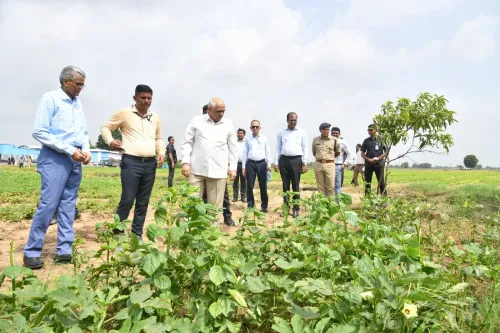
A patch of wasteland at a government school in the hills of Bhaderwah, Jammu and Kashmir, has quietly become a working kitchen garden — and Union Science and Technology Minister Dr. Jitendra Singh spotlighted the transformation on Saturday, 26 September 2026, calling it sustainability turned into action.
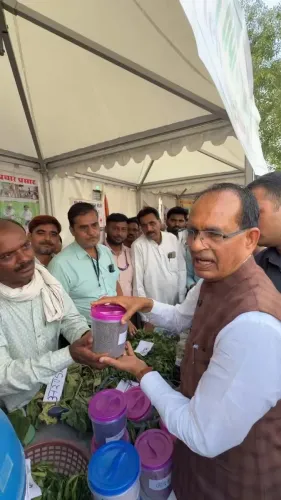
The Eco-Club at Government Higher Secondary School Beararu in Bhaderwah is growing chemical-free vegetables through natural farming practices and channelling the fresh produce directly into students' mid-day meals under the PM POSHAN scheme. Dr. Singh described the initiative as 'turning sustainability into action by promoting natural farming and growing chemical-free vegetables to support PM POSHAN, bringing fresh, nutritious produce to students' mid-day meals.'
What PM POSHAN is and why local produce matters
PM POSHAN — formally the PM Poshan Shakti Nirman scheme — is India's flagship programme providing nutritious mid-day meals to schoolchildren nationwide, restructured in 2021 from the older National Programme of Nutritional Support to Primary Education that dates to 1995. The scheme is designed not just to feed children but to anchor school attendance, particularly in rural and hilly districts where dropout rates track closely with household food insecurity.
Integrating locally grown, chemical-free produce into PM POSHAN meals addresses a persistent gap in the programme: the quality and freshness of ingredients. A school kitchen garden collapses the supply chain entirely — seed to plate within the same campus.
Eco-Clubs: the two-decade-old idea powering Beararu's garden
The Beararu initiative draws on the National Green Corps (NGC), launched by the Ministry of Environment, Forest and Climate Change in 2001 to plant Eco-Clubs in schools across India for hands-on environmental education. The clubs are designed precisely for this kind of ground-up project — students not just learning about sustainability in a classroom but demonstrating it on a patch of soil.
Bhaderwah, a hilly town in Doda district, represents the kind of terrain where chemical-free, locally adapted farming is both practical and scalable: the cool climate, available land, and smaller school populations make a kitchen garden genuinely viable rather than symbolic.
A model the hills could replicate
The broader pattern here is significant. Policymakers and educators have long sought ways to weave environmental goals into nutrition delivery — the Beararu example shows that when an Eco-Club converts wasteland into a productive farm that feeds the very students tending it, the three objectives of education, health, and sustainability reinforce each other rather than competing for resources or attention.
Whether Jammu and Kashmir's school administration or the Ministry of Education moves to scale this model to other Eco-Clubs in hilly districts is the question worth watching — because the infrastructure already exists in every school that has a National Green Corps chapter.
Point of View
Particularly from J&K, a region the Centre is keen to project as a development success. For the broader natural-farming push championed by the government, a school kitchen garden is an unusually persuasive proof-of-concept: it is visible, child-centred, and directly linked to health outcomes. The question is whether this remains a feel-good highlight or catalyses a formal policy directive that embeds Eco-Club produce sourcing into PM POSHAN guidelines nationwide.
NationPress
26 Sept 2026
Frequently Asked Questions
What is the Eco-Club at Government Higher Secondary School Beararu doing?
The Eco-Club at Govt. Higher Secondary School Beararu in Bhaderwah has converted a wasteland on school grounds into a kitchen garden that grows chemical-free vegetables through natural farming, supplying fresh produce for students' mid-day meals under the PM POSHAN scheme.
What is PM POSHAN and how does it relate to this school garden?
PM POSHAN (Poshan Shakti Nirman) is India's central government scheme providing mid-day meals to schoolchildren to improve nutrition and attendance; it was restructured in 2021 from the earlier mid-day meal programme. The Beararu school garden feeds into this scheme by supplying locally grown, chemical-free vegetables directly to students' meals.
What are Eco-Clubs and which government programme set them up?
Eco-Clubs are student groups established under the National Green Corps programme, launched in 2001 by the Ministry of Environment, Forest and Climate Change, to promote hands-on environmental awareness, conservation activities, and sustainability projects in schools across India.
Where is Bhaderwah located?
Bhaderwah is a town in Doda district, Jammu and Kashmir, situated in a hilly region of the Union Territory.
Why is natural farming significant for school mid-day meals?
Natural farming avoids synthetic chemicals and pesticides, producing vegetables that are considered safer and more nutritious. When grown on school grounds and used directly in mid-day meals, it also eliminates supply-chain gaps, ensures freshness, and reduces costs — making it particularly valuable for rural schools under the PM POSHAN scheme.