CM Bhajanlal Sharma Breaks Ground for Jaipur Metro Phase 2
Synopsis
Chief Minister Bhajanlal Sharma performed the groundbreaking for Jaipur Metro Phase 2 at Sitapura on 22 July 2026, then rode the existing line from Mansarovar to Chhoti Chaupar to engage with commuters — marking a major step in Rajasthan's urban mobility expansion.
Key Takeaways
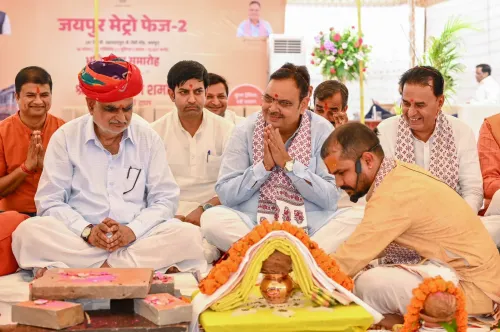
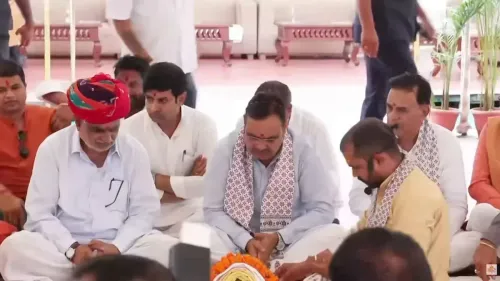
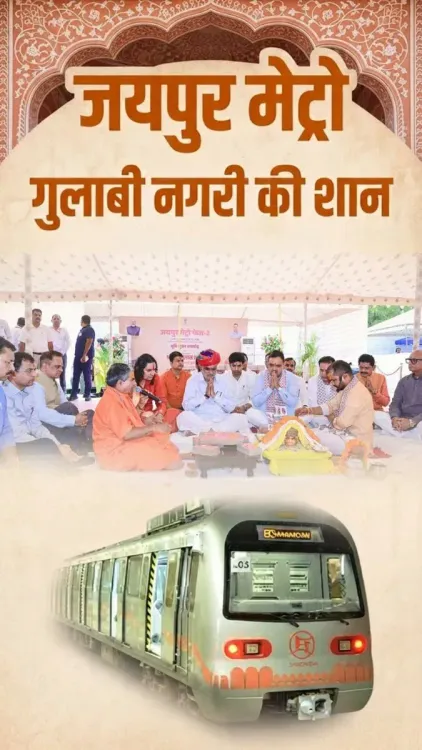
CM Bhajanlal Sharma performed the bhoomi pujan for Jaipur Metro Phase 2 on 22 July 2026 .
The groundbreaking was held at the metro depot site in Sitapura , a southern industrial zone of Jaipur.
The CM travelled from Mansarovar to Chhoti Chaupar on the existing Phase 1 line and interacted with commuters.
Jaipur Metro Phase 1 has been operational since 2015 , forming the city's first rapid transit corridor.
The Phase 2 expansion is expected to improve connectivity for commuters in Jaipur's southern and industrial areas.
Construction milestones and funding releases will be key indicators of the project's progress.
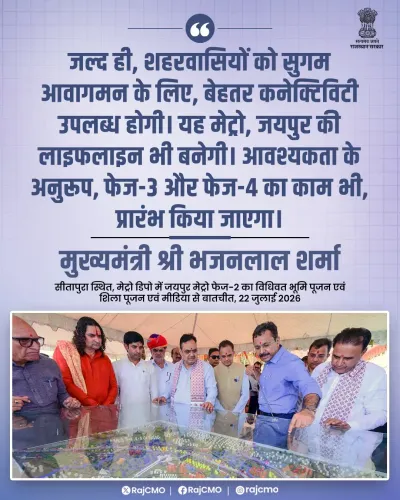
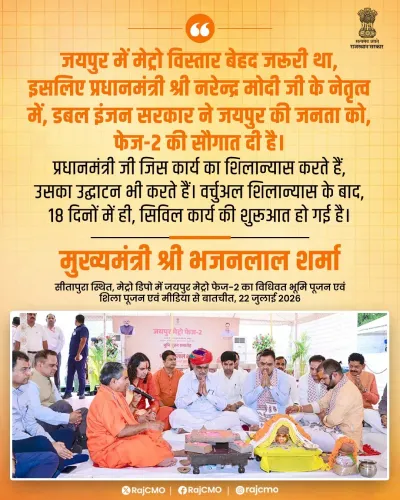
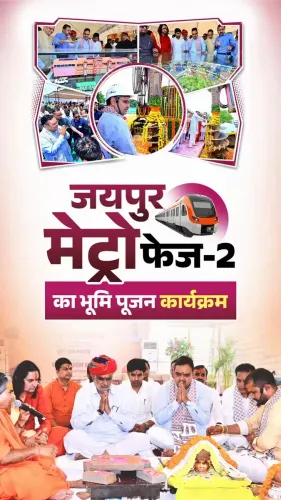
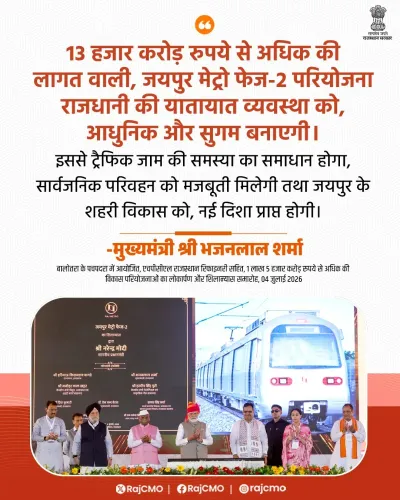
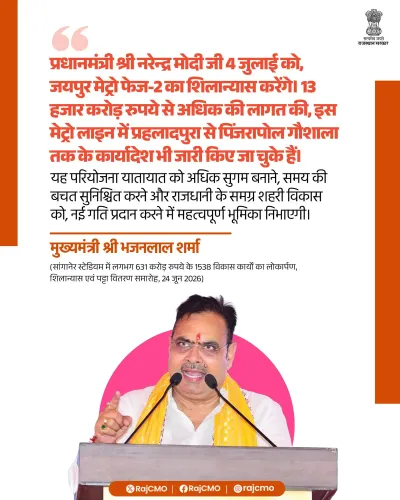
The Chief Minister's Office of Rajasthan announced on Wednesday, 22 July 2026 that Chief Minister Bhajanlal Sharma performed the groundbreaking ceremony (bhoomi pujan) for Jaipur Metro Phase 2 at the metro depot site in Sitapura, formally launching the expansion of the capital's modern transport network.
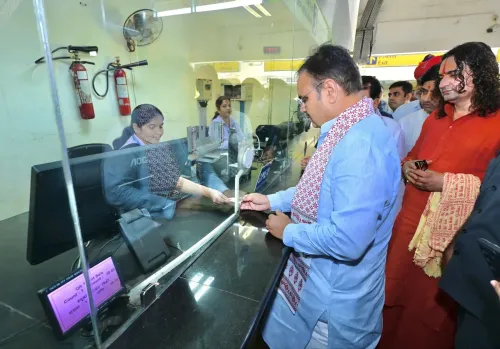
Following the ceremony, CM Sharma boarded the metro and travelled from Mansarovar to Chhoti Chaupar, interacting with commuters along the route to gather feedback on metro facilities and the overall travel experience. The initiative signals the state government's intent to deepen urban mobility infrastructure in Jaipur.
Context
Jaipur Metro Phase 1 became operational in 2015, establishing an initial corridor anchored at Mansarovar in the west and connecting to Chhoti Chaupar near the historic walled city. The Phase 1 network gave Jaipur its first rapid transit spine, reducing dependence on road-based transport for tens of thousands of daily commuters.
The Phase 2 groundbreaking at Sitapura — a southern industrial and commercial hub — suggests the expansion is aimed at connecting that economic corridor to the existing network, though the precise alignment remains subject to official project documents.
Policy Backdrop
Across India, state governments have pursued phased metro expansions in their capital cities as a response to rising road congestion and the push for sustainable urban mobility. Such projects typically draw on a combination of state budgetary support and central government funding under mass rapid transit schemes.
Rajasthan, under CM Bhajanlal Sharma's BJP government — which assumed office in December 2023 — has positioned urban infrastructure as a visible governance priority. The bhoomi pujan of Phase 2 marks one of the more consequential infrastructure announcements for Jaipur since the current administration took charge.
Stakeholders and Impact
The primary beneficiaries of a Phase 2 expansion would be Jaipur's daily commuters, residents of the Sitapura industrial belt, and workers who currently rely on overcrowded road transport. An extended metro corridor would also support the city's growing commercial and tourism sectors, given Chhoti Chaupar's proximity to heritage zones.
Urban planners and local businesses along the proposed corridor stand to gain from improved connectivity, while the construction phase itself is expected to generate employment and ancillary economic activity in the region.
What's Next
Attention will now turn to the release of detailed project timelines, funding allocations, and construction milestones for Jaipur Metro Phase 2. The pace of land acquisition, contractor appointments, and central government approvals will determine how quickly the new corridor moves from groundbreaking to operational status.
If the Phase 2 expansion proceeds on schedule, it could substantially reshape Jaipur's urban mobility landscape — connecting the southern industrial zone to the historic city core and reinforcing the capital's standing as one of Rajasthan's key economic engines.
Point of View
Coming roughly two and a half years into its term — a window when ruling parties typically accelerate project launches ahead of future electoral cycles. By personally riding the metro and engaging commuters, Sharma is projecting a governance-on-the-ground image that the BJP has used effectively in other states. The Sitapura alignment, if confirmed, would link an industrial corridor to the heritage city core, addressing a long-standing connectivity gap. Whether the project can sustain momentum through funding, land acquisition, and construction will ultimately determine its political and practical payoff.
NationPress
21 Oct 2026
Frequently Asked Questions
What is Jaipur Metro Phase 2?
Jaipur Metro Phase 2 is the planned expansion of the city's metro rail network beyond the Phase 1 corridor, with the groundbreaking held at the Sitapura depot site on 22 July 2026 by Chief Minister Bhajanlal Sharma.
When was Jaipur Metro Phase 1 inaugurated?
Jaipur Metro Phase 1 became operational in 2015, establishing an initial corridor running from Mansarovar in the west to Chhoti Chaupar near the walled city.
Where is the Jaipur Metro Phase 2 depot located?
The depot site for Jaipur Metro Phase 2 is located in Sitapura, a southern industrial area of Jaipur, where the bhoomi pujan ceremony was conducted.
What did CM Bhajanlal Sharma do at the Jaipur Metro event?
CM Bhajanlal Sharma performed the groundbreaking ceremony for Phase 2 at Sitapura and then travelled on the existing metro line from Mansarovar to Chhoti Chaupar, interacting with commuters about facilities and travel experience.
Which stations does the existing Jaipur Metro connect?
The existing Jaipur Metro Phase 1 line includes Mansarovar as a western anchor and Chhoti Chaupar near the historic walled city as key stations on the corridor.