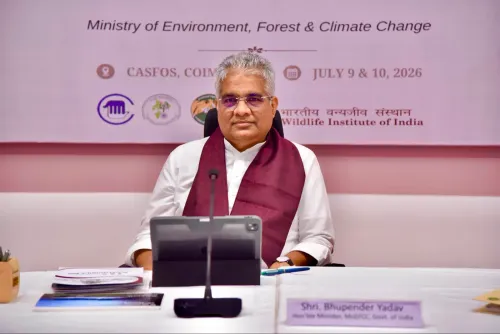
Bhupender Yadav Addresses IFS Probationers' Convocation in Dehradun
Synopsis
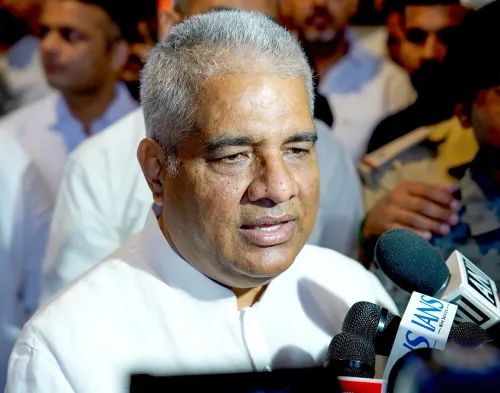
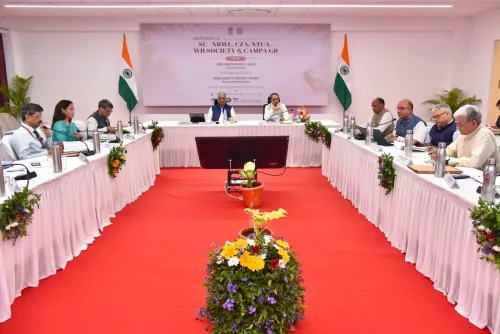
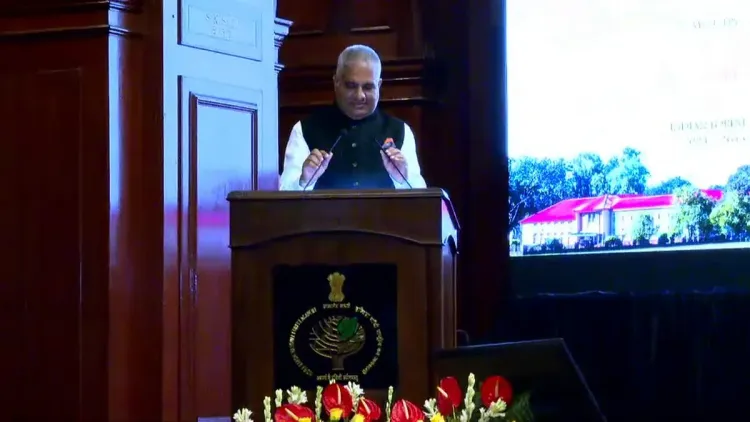
Union Environment Minister Bhupender Yadav addressed the convocation of Indian Forest Service probationers of the 2024-26 course at the Indira Gandhi National Forest Academy in Dehradun on 1 August 2026, setting the policy tone for India's newest cohort of forest officers before their field postings.
Key Takeaways
Union Environment Minister Bhupender Yadav addressed the IFS probationers' convocation in Dehradun on 1 August 2026 .
The convocation was for the 2024–26 course batch of the Indian Forest Service .
The Indira Gandhi National Forest Academy (IGNFA) , Dehradun, is the training institute for all IFS probationers before state cadre postings.
The Indian Forest Service was constituted in 1966 under the All India Services Act, 1951 and is one of India's three All India Services.
Ministerial convocation addresses set the conservation and regulatory priorities that new IFS officers carry into field deployments across state forest departments.
India's newest batch of forest guardians received their charge directly from the top on Saturday, 1 August 2026, as Union Environment Minister Bhupender Yadav addressed the convocation of Indian Forest Service (IFS) probationers of the 2024–26 course in Dehradun — the city that has anchored India's forestry training tradition for decades.
The Academy Behind India's Forest Officers
The convocation was held at the Indira Gandhi National Forest Academy (IGNFA), Dehradun's storied institution that trains every IFS officer before they are posted to state cadres. Established as a professional finishing school for the service, IGNFA shapes how incoming officers approach forest governance, wildlife protection, and biodiversity management — the priorities they will carry into field postings across the country.
The Indian Forest Service itself was constituted in 1966 under the All India Services Act, 1951, making it one of India's three All India Services alongside the IAS and IPS. Its officers are the frontline administrators of India's forests and wildlife estates, operating under the broad policy mandate of the Ministry of Environment, Forest and Climate Change.
A Minister's Message to the Next Generation of Conservators
Convocation addresses by the Environment Minister to successive IFS batches are a recurring administrative ritual — but they carry real weight. The minister's remarks typically signal the policy priorities that new officers are expected to internalise: forest conservation targets, climate commitments under India's international obligations, and the regulatory enforcement posture the ministry expects on the ground.
For the 2024–26 batch, those priorities land at a moment when India's forest and wildlife governance is under heightened scrutiny — from global climate negotiations to domestic pressures on forest land. The officers leaving Dehradun this week will be deployed to state forest departments where those pressures are most acutely felt.
The forest officers who walk out of IGNFA this week carry with them not just a commission, but a mandate shaped by the minister who addressed them — and the measure of that mandate will be taken in the field, not in the academy.
Point of View
Forest and Climate Change expects from its next generation of field officers. For a BJP-led government that has had to balance development pressures with forest conservation commitments under international climate pledges, the tone set at IGNFA convocations matters. Successive batches of IFS officers have been the on-ground implementers of central forest policy — their orientation at Dehradun shapes enforcement culture for years. Watching the specific directives Yadav issued to this batch will offer a window into the ministry's operational priorities heading into the latter half of the decade.
NationPress
1 Aug 2026
Frequently Asked Questions
What is the Indian Forest Service convocation in Dehradun?
The convocation marks the formal completion of the professional training course for Indian Forest Service probationers at the Indira Gandhi National Forest Academy in Dehradun, after which officers are posted to state forest cadres.
Who is Bhupender Yadav and what is his role?
Bhupender Yadav is India's Union Minister of Environment, Forest and Climate Change and a senior BJP leader responsible for forest policy, wildlife governance, and India's climate commitments.
What is the Indira Gandhi National Forest Academy?
The Indira Gandhi National Forest Academy (IGNFA) in Dehradun is the premier training institution for Indian Forest Service probationers, shaping their professional orientation before they are deployed to state forest departments.
When was the Indian Forest Service established?
The Indian Forest Service was constituted in 1966 under the All India Services Act, 1951, making it one of India's three All India Services alongside the IAS and IPS.
What does the 2024-26 IFS course involve?
The 2024-26 course is the professional training programme for the latest batch of Indian Forest Service probationers, concluding with a convocation ceremony in Dehradun before officers are assigned to state cadres.