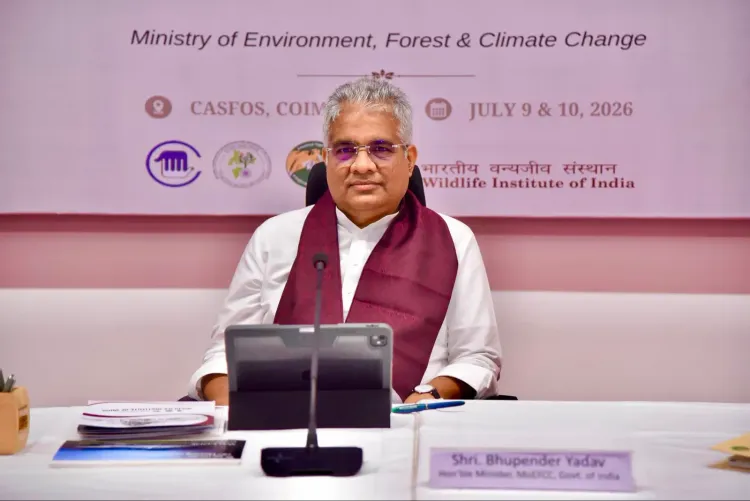
Bhupender Yadav Chairs 28th WII Society Meet at Coimbatore
Synopsis
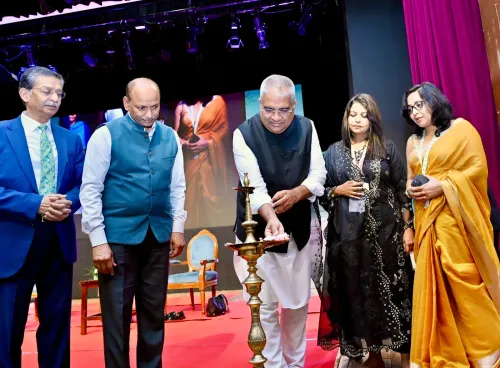
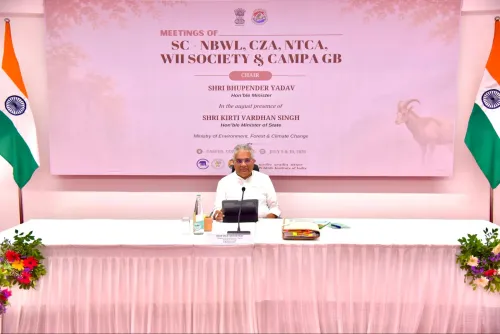
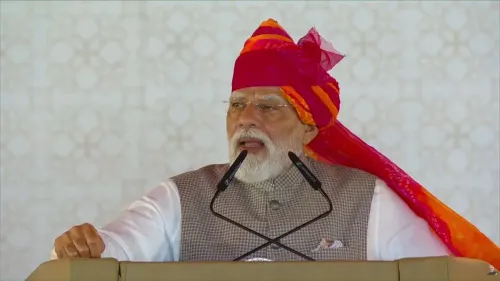
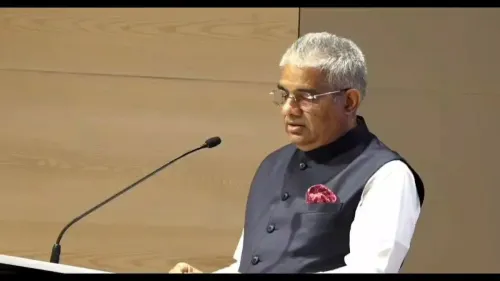
Union Environment Minister Bhupender Yadav presided over the 28th meeting of the newly reconstituted WII Society at CaSFOS, Coimbatore on 9 July 2026. Discussions covered research priorities, training frameworks, and aligning WII's policy-support role with the Viksit Bharat@2047 national vision.
Key Takeaways
Bhupender Yadav chaired the 28th meeting of the newly reconstituted Wildlife Institute of India Society on 9 July 2026 .
The meeting was held at CaSFOS, Coimbatore , a central training institution for Indian Forest Service officers.
Discussions focused on research, training, and policy-support frameworks for the WII.
The deliberations were explicitly linked to the Viksit Bharat@2047 national development blueprint.
The Wildlife Institute of India , established in 1982 , functions as an autonomous body under the Ministry of Environment, Forest and Climate Change.
Outcomes are expected to influence WII's research agenda and training curricula at state forest academies.
Union Environment Minister Bhupender Yadav presided over the 28th meeting of the newly reconstituted Wildlife Institute of India (WII) Society at the Central Academy for State Forest Service (CaSFOS) in Coimbatore on 9 July 2026, with discussions centred on aligning the institute's research, training, and policy-support work with the national vision of Viksit Bharat@2047.
Context
The WII Society meeting brought together key stakeholders from the environment and forestry ecosystem to deliberate on the institution's strategic direction. Yadav described the discussions as 'elaborate', covering research priorities, training frameworks, and mechanisms through which WII can provide direct policy support to the government.
The choice of CaSFOS, Coimbatore as the venue is notable: the academy is one of India's premier central training institutions for Indian Forest Service and state forest officers, making it a fitting backdrop for deliberations on capacity building within the forestry sector.
Policy Backdrop
The Wildlife Institute of India was established in 1982 as an autonomous body under the Ministry of Environment, Forest and Climate Change to strengthen scientific research, training, and conservation policy across the country. Over the decades, its mandate has expanded to encompass ecological modelling, biodiversity assessments, and evidence-based inputs for wildlife governance.
The National Wildlife Action Plan (2017–2031) explicitly calls for integrating research institutions such as WII into mainstream policy frameworks, a directive that successive environment ministers have sought to operationalise through periodic review meetings of this kind. The meeting also reflects the broader government push to align all major institutional mandates with the Viksit Bharat@2047 blueprint — the Government of India's long-term vision to transform the country into a fully developed nation by the centenary of independence.
Stakeholders and Impact
The outcomes of the WII Society meeting are of direct relevance to forest officers, wildlife researchers, and environment policymakers across the country. Decisions taken at such meetings typically shape the institute's research agenda, influence training curricula at state forest academies, and feed into the Ministry's annual policy priorities.
For state forest departments, any revised training frameworks that emerge from this deliberation could affect how forest officers are equipped to handle challenges ranging from human-wildlife conflict to forest carbon accounting — both areas of growing national importance.
What's Next
Formal outputs from the 28th WII Society meeting are expected to be reflected in the Ministry's forthcoming annual report and may inform revisions to training curricula at central and state forest academies. The integration of WII's research pipeline with the Viksit Bharat@2047 framework signals that the Ministry intends to position wildlife science as a foundational input to long-term national development planning.
Observers will watch whether the newly reconstituted WII Society introduces structural changes to how the institute prioritises and disseminates its research, particularly as India prepares for upcoming global biodiversity and climate commitments.
Point of View
Viksit Bharat@2047. By convening at CaSFOS — a training hub for forest officers — the Ministry underscores that capacity building and research are being treated as inseparable from national development strategy. This reflects a broader pattern of the BJP-led government aligning autonomous institutions with its centenary-of-independence narrative. The reconstitution of the WII Society itself suggests the Ministry may be recalibrating the institute's governance and research priorities ahead of upcoming global biodiversity and climate commitments.
NationPress
8 Oct 2026
Frequently Asked Questions
What is the Wildlife Institute of India and who oversees it?
The Wildlife Institute of India (WII) is an autonomous research and training institution established in 1982 under the Union Ministry of Environment, Forest and Climate Change. It conducts wildlife research, provides training to forest officers, and offers scientific inputs for conservation policy.
What was discussed at the 28th WII Society meeting in Coimbatore?
The 28th WII Society meeting, chaired by Union Environment Minister Bhupender Yadav at CaSFOS in Coimbatore on 9 July 2026, held elaborate discussions on research priorities, training frameworks, and policy-support mechanisms aligned with the Viksit Bharat@2047 national vision.
What is CaSFOS Coimbatore?
The Central Academy for State Forest Service (CaSFOS) in Coimbatore is a premier central training institution for Indian Forest Service and state forest officers, functioning under the Ministry of Environment, Forest and Climate Change.
What is Viksit Bharat@2047?
Viksit Bharat@2047 is the Government of India's long-term vision to transform the country into a fully developed nation by 2047, marking the centenary of Indian independence. It serves as a guiding framework for aligning institutional mandates and national policy.
Why has the WII Society been newly reconstituted?
The WII Society has been described as newly reconstituted ahead of the 28th meeting, though the specific changes to its composition or mandate have not been officially detailed in public records available at this time.