Jamui molestation case: Bihar acts on 120 social media accounts that exposed victim
Synopsis
Bihar has cracked down on 120 social media accounts for exposing the Jamui molestation victim's identity — a rare digital accountability move alongside the arrest of five accused. With the National Commission for Women now involved and a fast-track court promised, the case has become a flashpoint over police responsiveness, caste politics, and whether action after the crime is enough.
Key Takeaways
The Bihar government has taken action against 120 social media accounts that revealed the identity of the Jamui molestation victim.
Five of seven accused have been arrested; the remaining two are expected to be detained soon.
Bihar Chief Minister Samrat Choudhary has announced trial through a fast-track court for all accused.
The National Commission for Women (NCW) has taken cognisance and is dispatching a team to Jamui .
Congress leader Abhishek Dutt questioned the state's preventive record, asking who protects potential victims before crimes occur.
Two Bihar Police personnel were reportedly injured in an encounter with the accused.
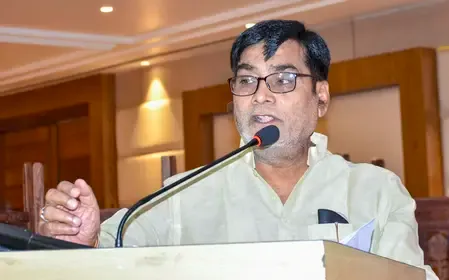
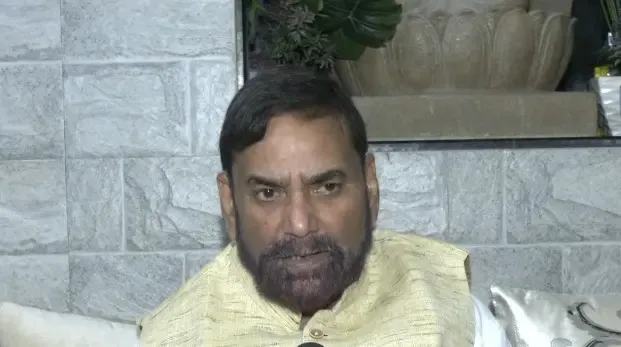
The Bihar government has moved against 120 social media accounts that revealed the identity of the minor molestation victim in the Jamui case, Janata Dal (United) national spokesperson Rajeev Ranjan said on 23 September 2026. Action is also being taken against the platforms on which the victim's video was circulated, Ranjan confirmed.
Key Developments in the Jamui Case
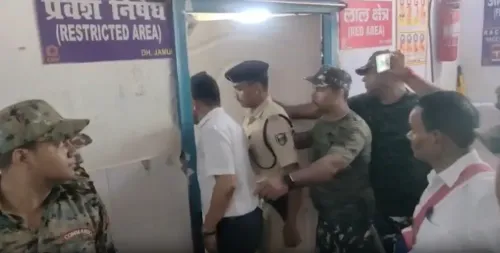
Five of the seven accused have been arrested so far, with Ranjan stating that the remaining two will be taken into custody shortly. He added that all those in the chain — those who filmed the video, those who shared it, those who hosted it on their platforms, and those who assaulted the minor — are under active investigation. Two police personnel were reportedly injured during an encounter with the accused.
Ranjan's remarks came in the context of a recent statement by Bihar Chief Minister Samrat Choudhary, who said that 'a criminal has no caste.' The spokesperson reinforced that position, arguing that arrest data in the state shows criminal enforcement operates without regard to caste or religion. 'If you have committed a crime, the police will not spare you,' he said.
What the Government Said
Ranjan described the Jamui incident as an occasion through which Bihar has sent a strong message that such offences will not go unpunished. He emphasised that action against social media accounts — including the 120 handles identified — signals the state's intent to crack down not just on perpetrators but also on those who amplified the crime online.
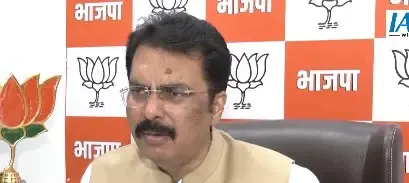
BJP chief spokesperson Pratul Shahdeo echoed the caste-neutral framing, saying: 'How could one judge a criminal by their caste? I have never heard that criminals, rapists have a certain caste.' Shahdeo commended the Bihar Police for swift arrests and said the National Commission for Women (NCW) has taken cognisance of the incident and is sending a team to the site. He also noted that Chief Minister Choudhary has announced that all accused will face trial through a fast-track court.
Opposition Raises Questions on Systemic Failures
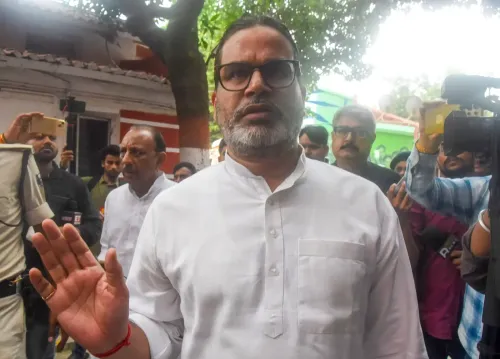
Congress leader Abhishek Dutt offered a sharply different reading of events, questioning the state's preventive capacity. 'Encounters are done after the murder happens. Encounters are done after the crimes are committed. Who saves these criminals before the crimes are committed?' he asked. Dutt argued that swift action after media pressure is not a substitute for year-round vigilance.
He added that if crime is given priority throughout the year and strong action is taken against all offenders without communal considerations, lasting change becomes possible. 'If vigilance is maintained before the crime happens, then no one will dare to commit such a heinous crime,' he said.
NCW and Fast-Track Court: What Happens Next
With the National Commission for Women dispatching a fact-finding team to Jamui, pressure on the state administration is likely to intensify. The Chief Minister's fast-track court assurance, if implemented promptly, could set a precedent for handling such cases across Bihar. The Rashtriya Janata Dal (RJD) drew criticism from the ruling coalition for allegedly injecting caste framing into the case — a charge Shahdeo said brought shame to the state.
Point of View
But it addresses the aftermath rather than the conditions that enabled the assault. The ruling coalition's insistence that 'criminals have no caste' is politically necessary but should not deflect scrutiny from the state's law-and-order record. The Congress critique — that encounters and arrests follow media pressure, not systematic vigilance — is not easily dismissed and points to a structural gap in Bihar's policing approach. The fast-track court promise is welcome, but its credibility depends on timelines, not announcements.
NationPress
23 Sept 2026
Frequently Asked Questions
What action has the Bihar government taken in the Jamui molestation case?
The Bihar government has moved against 120 social media accounts that disclosed the identity of the minor victim and circulated her video. Five of the seven accused have been arrested, with two more expected to be taken into custody shortly.
What is the Jamui molestation case?
The Jamui molestation case refers to a recent incident in Jamui district, Bihar , in which a minor girl was sexually assaulted. A video of the assault was subsequently circulated on social media, leading to widespread outrage and police action against both the accused and those who spread the footage.
What has the National Commission for Women done?
The National Commission for Women (NCW) has taken cognisance of the Jamui molestation incident and is sending a team to the site to assess the situation and gather facts on the ground.
Will the accused face a fast-track court?
Yes. Bihar Chief Minister Samrat Choudhary has announced that all accused in the Jamui case will be tried through a fast-track court , intended to expedite the judicial process.
Why has the Congress criticised the Bihar government's response?
Congress leader Abhishek Dutt argued that arrests and encounters made after media pressure do not reflect genuine law-and-order effectiveness. He questioned what preventive measures are in place on the remaining days of the year when crimes go unnoticed.