Bihar CM: Police Force Key to Viksit Bharat, Samriddh Bihar Goals
Synopsis
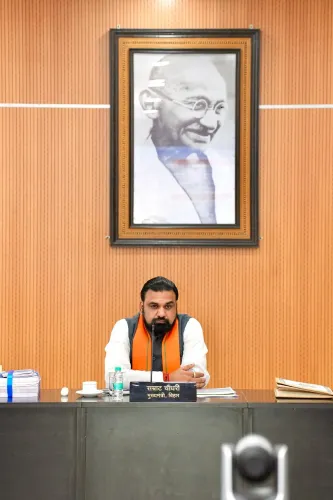
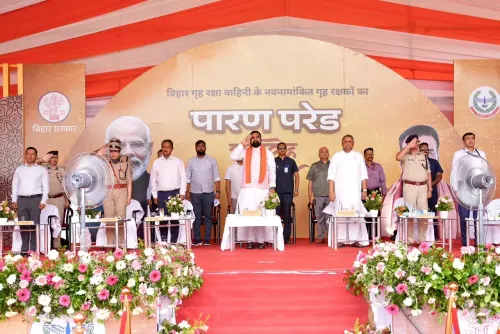
Bihar's Chief Minister has stated that the state police force and Grih Raksha Vahini will be crucial to achieving PM Modi's Viksit Bharat and Nitish Kumar's Samriddh Bihar visions, framing internal security as a foundation for long-term development.
Key Takeaways
The Chief Minister's Office of Bihar posted the statement on June 19, 2026 , quoting the Chief Minister directly.
The CM said the contribution of Bihar Police and Grih Raksha Vahini will be 'extremely important' to state and national development goals.
PM Narendra Modi 's Viksit Bharat @2047 vision and Nitish Kumar 's Samriddh Bihar agenda were cited as the twin frameworks.
The statement aligns internal security forces with economic and administrative development priorities — a pattern common across Indian state governments.
Future budget allocations for police modernisation and Home Guard recruitment in Bihar will be key indicators of follow-through.
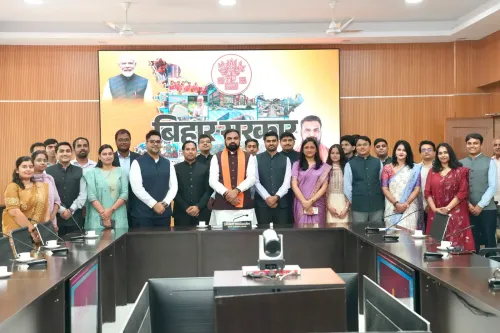
The Chief Minister's Office of Bihar on Friday, June 19, 2026, shared a statement from the Chief Minister affirming that the state's police force and Home Guards will play a central role in realising the twin development visions of Prime Minister Narendra Modi and former Chief Minister Nitish Kumar.
The statement, posted on the official CMO Bihar account, quoted the Chief Minister as saying that the contribution of the police force and Grih Raksha Vahini (Home Guards auxiliary) will be 'extremely important' in fulfilling PM Modi's vision of a 'Viksit Bharat' (Developed India) and Nitish Kumar's vision of a 'Samriddh Bihar' (Prosperous Bihar).
Context
The statement positions Bihar's internal security apparatus as a direct contributor to long-term development goals — both at the national and state level. The Chief Minister's remarks underline that law and order is not a standalone function but a foundational pillar for economic and social progress.
Prime Minister Narendra Modi first outlined the Viksit Bharat @2047 vision in his Independence Day address in 2022, framing it as a roadmap to make India a fully developed nation by the centenary of its independence. Bihar's leadership has since aligned state-level programmes with this national goal.
Policy Backdrop
The 'Samriddh Bihar' agenda has been a long-standing development framework associated with Nitish Kumar's multiple tenures as Chief Minister, focusing on infrastructure, law and order improvement, and inclusive growth across the state.
Linking police and paramilitary forces to development visions is an established pattern in Indian state governance. Security and stability are routinely cited as prerequisites for attracting investment, improving public services, and sustaining administrative reform — making such messaging a common feature of official addresses at police events or force reviews.
Stakeholders and Impact
Bihar Police is the primary law-enforcement body responsible for maintaining order, controlling crime, and ensuring internal security across the state. The Grih Raksha Vahini, Bihar's Home Guards auxiliary force, supports regular police in security duties, traffic management, and disaster response.
Personnel from both forces stand to be directly impacted by any policy shifts that follow from this framing — including potential budget allocations for modernisation, training upgrades, or expanded recruitment drives. The statement signals that the government views these forces as active partners in development, not merely administrative arms.
What's Next
Observers will watch whether the Bihar government follows this statement with concrete measures — such as enhanced allocations for police infrastructure in the next state budget, or fresh recruitment drives for the Grih Raksha Vahini. The framing of security forces as development stakeholders could also shape how Bihar positions itself in dialogues with the Centre over law-enforcement funding and cooperative federalism.
Point of View
The Chief Minister's Office is making a deliberate political argument: that security investment is development investment. This framing serves a dual purpose — it elevates the institutional standing of the police force while reinforcing Bihar's alignment with the Centre's flagship 2047 vision. The reference to Nitish Kumar's Samriddh Bihar alongside PM Modi's Viksit Bharat is also notable, suggesting a continuity narrative that bridges state and central leadership. Whether this translates into measurable policy action — modernisation budgets, recruitment, or welfare measures for personnel — will determine if the statement is strategic positioning or routine ceremonial messaging.
NationPress
19 Sept 2026
Frequently Asked Questions
What did the Bihar Chief Minister say about the police force?
The Bihar Chief Minister stated that the police force and Grih Raksha Vahini (Home Guards) will play an extremely important role in achieving PM Modi's Viksit Bharat and Nitish Kumar's Samriddh Bihar development visions.
What is the Viksit Bharat vision?
Viksit Bharat, or 'Developed India,' is PM Narendra Modi's vision to make India a fully developed nation by 2047, the centenary of its independence. He outlined it in his 2022 Independence Day address.
What is Samriddh Bihar?
Samriddh Bihar, meaning 'Prosperous Bihar,' is a development agenda associated with Nitish Kumar's tenures as Chief Minister, focused on infrastructure growth, law and order, and inclusive development across the state.
What is the Grih Raksha Vahini in Bihar?
The Grih Raksha Vahini is Bihar's Home Guards auxiliary force. It supports regular police in security operations, traffic management, and disaster response duties.
Why does the Bihar government link police to development goals?
State governments in India routinely frame internal security as a foundation for economic progress. A stable law-and-order environment is considered essential for investment, public service delivery, and administrative reform.