CM Nitish Kumar Calls Grih Raksha Vahini Bihar's Security Bedrock
Synopsis
Bihar Chief Minister Nitish Kumar on 19 June 2026 described the Grih Raksha Vahini as the cornerstone of a safe, prosperous, and developed Bihar, underlining the auxiliary force's role in maintaining law and order and ensuring citizens' safety.
Key Takeaways
Chief Minister Nitish Kumar on 19 June 2026 publicly called the Grih Raksha Vahini the 'foundation' of a safe, prosperous, and developed Bihar.
He credited the home-guard force with a vital role in maintaining law and order and ensuring citizens' safety across the state.
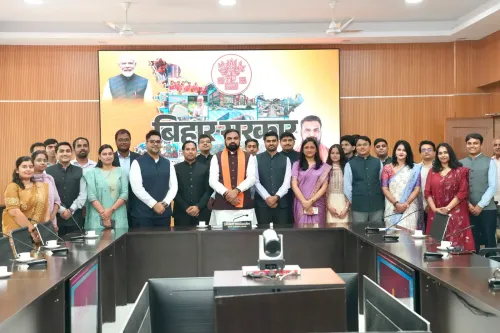
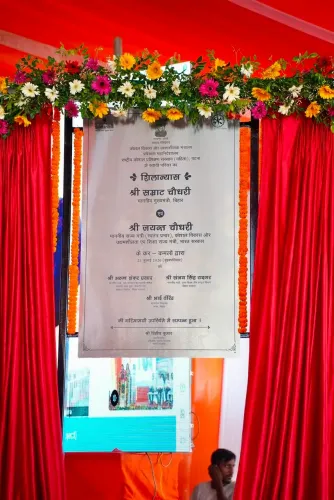
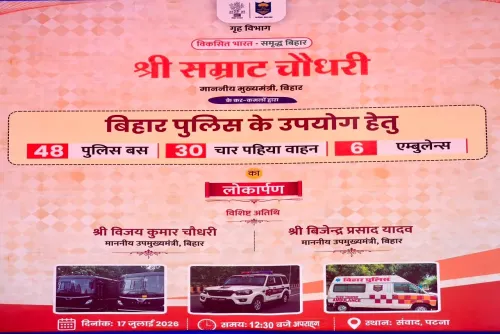
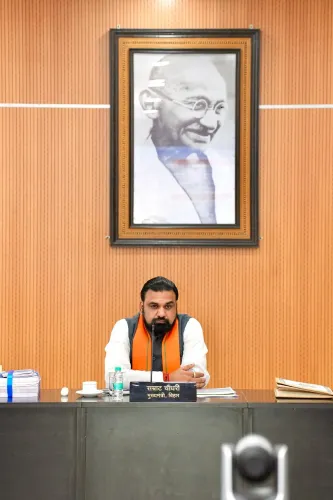
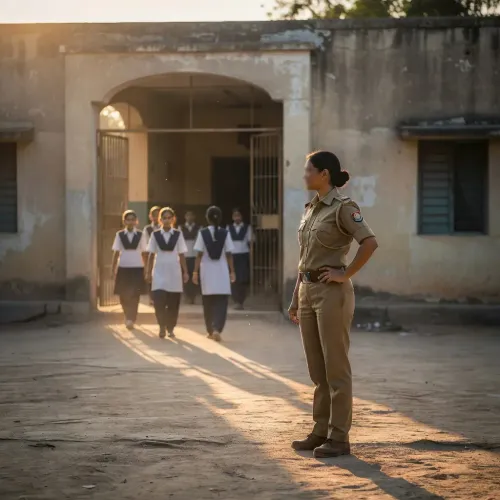
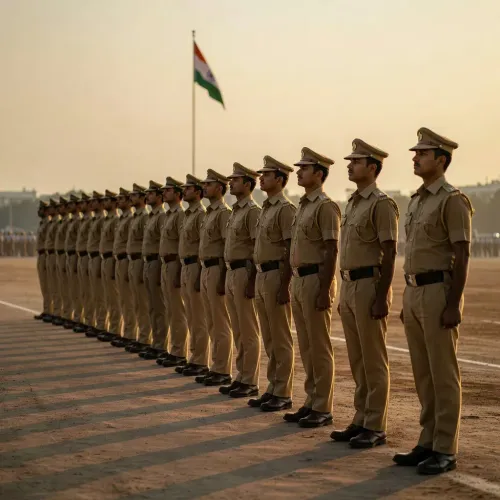
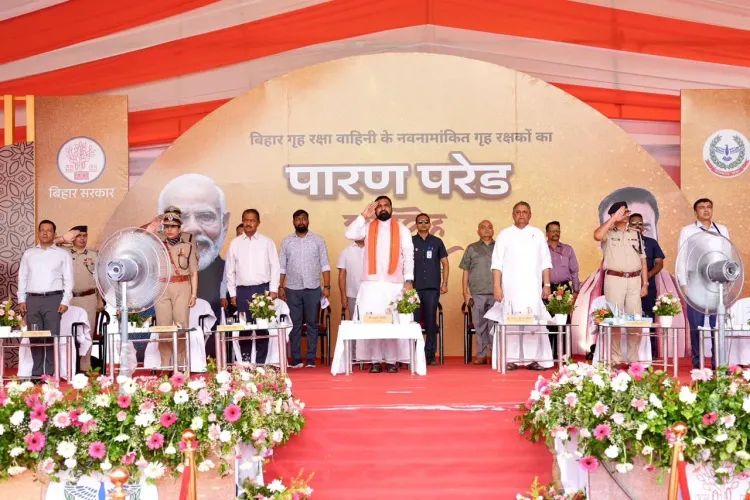
The remarks were made at a formal occasion and shared by the official Chief Minister's Office of Bihar account on X, accompanied by two images.
Bihar's auxiliary security expansion dates to 2005 , when Nitish Kumar first took office and began police modernisation efforts.
Upcoming state budget allocations or recruitment notifications for additional home-guard battalions are being watched as potential follow-up actions.
The Chief Minister's Office of Bihar shared remarks by Chief Minister Nitish Kumar on Friday, 19 June 2026, in which he described the Grih Raksha Vahini (Home Guard Force) as the cornerstone of a safe, prosperous, and developed Bihar.
Speaking on the occasion, the Chief Minister stated — 'sashakt grih raksha vahini surakshit, samridh evam viksit Bihar ki aadharshila hai' — ('a strong Home Guard Force is the foundation of a safe, prosperous, and developed Bihar'). He further said that the Grih Raksha Vahini plays a vital role in ensuring Bihar's progress, better law and order, and the safety of its citizens.
Context
The Grih Raksha Vahini is Bihar's auxiliary home-guard force, tasked with supporting the regular police in maintaining internal security, crowd management, and disaster response. Chief Minister Nitish Kumar invoked the force's contribution in the context of the state's broader development agenda, framing security capacity as inseparable from economic and social progress.
The remarks were accompanied by two images shared by the official Chief Minister's Office account, indicating a formal event or ceremony marking the force's role in state governance.
Policy Backdrop
Since 2005, when Nitish Kumar first assumed office, his administration has consistently prioritised police modernisation and the expansion of auxiliary security forces. Bihar had historically struggled with weak law-and-order infrastructure, and the strengthening of home-guard units was part of a deliberate strategy to supplement the regular police without depending solely on central paramilitary deployments.
Successive Bihar governments have treated internal-security capacity-building as integral to the state's economic and social development narrative — the logic being that investor confidence, rural welfare delivery, and public safety are mutually reinforcing. The Chief Minister's latest remarks reaffirm this long-standing policy position.
Stakeholders and Impact
Home-guard personnel across Bihar stand as the most direct stakeholders, as official recognition of their role by the Chief Minister signals continued institutional support for the force. For ordinary Bihar residents, a well-resourced auxiliary force translates into faster police response, better crowd management at public events, and enhanced disaster-relief coverage.
The framing of the Grih Raksha Vahini as the 'foundation' of a developed Bihar also carries significance for local governance: it positions frontline security workers not merely as law-enforcement auxiliaries but as active contributors to the state's development story.
What's Next
Observers will watch the coming months for concrete follow-through — particularly whether the Bihar state budget or official notifications announce fresh recruitment drives, enhanced training programmes, or increased allocations for home-guard battalions. Chief Minister Nitish Kumar's public endorsement of the force raises expectations of policy action that matches the rhetoric of empowerment.
If the government backs these words with budgetary commitments, it could further entrench Bihar's model of auxiliary-force-led internal security as a template for other states navigating similar law-and-order challenges.
Point of View
The Chief Minister is also signalling to a large constituency of auxiliary workers that their institutional standing is secure. The timing matters: such statements often precede recruitment notifications or budget announcements, making this as much a policy signal as a ceremonial tribute. Broader pattern-watchers will note that Bihar's preference for building local auxiliary forces over requesting central paramilitary deployment reflects a quiet assertion of state-level governance confidence.
NationPress
19 Sept 2026
Frequently Asked Questions
What is the Grih Raksha Vahini in Bihar?
The Grih Raksha Vahini is Bihar's auxiliary home-guard force that supports the regular police in maintaining internal security, crowd control, and disaster response across the state.
What did Nitish Kumar say about the Grih Raksha Vahini?
Chief Minister Nitish Kumar said that a strong Grih Raksha Vahini is the foundation of a safe, prosperous, and developed Bihar, and that the force plays a vital role in maintaining law and order and protecting citizens.
When did Nitish Kumar make these remarks about Bihar's home guards?
The remarks were shared by the Chief Minister's Office of Bihar on 19 June 2026 at a formal occasion, the exact nature of which has not been officially specified.
How long has Bihar been strengthening its home-guard force?
Since 2005, when Nitish Kumar first became Chief Minister, the Bihar government has prioritised police modernisation and the expansion of auxiliary forces including the Grih Raksha Vahini.
What could follow Nitish Kumar's statement on the Grih Raksha Vahini?
Observers expect possible state budget allocations or official recruitment notifications for additional home-guard battalions in the coming months as a concrete follow-up to the Chief Minister's public endorsement.