Bihar CM Flags ₹10,000 Cr MoU and 12 MW Data Centre Launch

Synopsis
Bihar's Chief Minister has announced the state's first 12 MW data centre and a ₹10,000 crore MoU with the Industry Department, framing both moves as catalysts for digital growth, industrial diversification and large-scale job creation in one of India's most populous states.
Key Takeaways
Bihar is commissioning its first 12-megawatt data centre , a significant anchor for the state's digital infrastructure.
The Industry Department has signed an MoU valued at ₹10,000 crore to drive industrial and digital investment.
The Chief Minister framed the twin move as a catalyst for digital revolution, industrial development and employment generation .
The announcements align with the national Digital India programme and position Bihar to compete for data-centre investment dominated by southern and western states.
Key watchpoints include actual capital deployment, the facility's operational start date, and verified employment numbers from subsequent government updates.
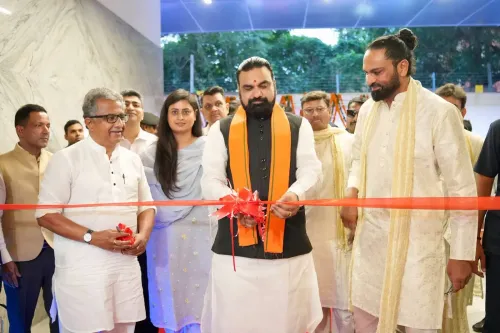
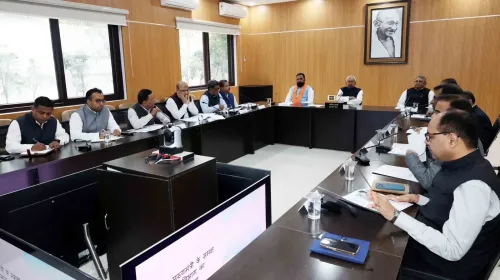
A ₹10,000 crore MoU with the state's Industry Department and the inauguration of Bihar's first 12-megawatt data centre — that is the twin engine the Chief Minister's Office of Bihar says will drive the state's digital and industrial transformation. The announcement, made on Tuesday, 13 October 2026, signals Patna's most concrete step yet toward positioning Bihar as a serious player in India's data infrastructure race.
Bihar's first 12 MW data centre: what it means
A 12-megawatt facility is not a symbolic gesture — it is the kind of anchor infrastructure that attracts cloud providers, fintech firms, and government data workloads. The Chief Minister stated that the centre's launch would give 'new momentum to digital revolution, industrial development and employment generation' in the state (Digital Kranti, audyogik vikas evam rozgar srijan ko nayi gati milegi). For a state that has long depended on agriculture and remittances, owning data-centre capacity changes the conversation.
Indian states have scrambled to host data centres as the country's cloud consumption compounds year on year and domestic data-localisation pressures mount. Maharashtra, Telangana and Tamil Nadu have dominated the sector for years. A functioning facility in Patna would give the east of the country its first significant node — cutting latency for government services and private platforms serving hundreds of millions of users across Uttar Pradesh, Jharkhand, West Bengal and Bihar itself.
The ₹10,000 crore Industry Department MoU
The memorandum of understanding signed with the Industry Department accompanies the data-centre launch and frames the broader intent: convert digital infrastructure into factory-floor investment and white-collar jobs. Bihar has signed multiple investment MoUs in recent years to address a historical lag in manufacturing and services, but the ₹10,000 crore figure gives this round unusual heft. The partnership aligns with the national Digital India programme — launched in 2015 — which has pushed states to build last-mile connectivity and supporting infrastructure. What comes next matters more than the headline number: actual capital deployment, timelines for commissioning the facility, and the employment figures that follow will determine whether this MoU joins a long list of aspirational pledges or translates into verifiable ground-level change.
What Bihar's IT investors and youth are watching
The announcement targets two audiences simultaneously: domestic and global IT investors scouting for lower-cost, high-connectivity hubs, and Bihar's young workforce — one of India's largest and youngest demographic pools — hungry for skilled employment that does not require migration to Bengaluru or Pune. If the data centre triggers a downstream cluster of tech firms, the multiplier effect on formal employment in the state could be significant. The watchpoints are clear: commissioning dates, the identity and commitment level of MoU partners, and the first reported headcount figures from the facility once it goes live.
Point of View
Visible tech-infrastructure wins carry political utility: they reframe Bihar's identity from a welfare-dependent state to an investment destination ahead of the electoral cycle. The critical test, however, is execution — the state has a track record of ambitious MoU signings that have not always translated into ground-level investment, and analysts and investors will watch commissioning timelines closely. If the 12 MW facility goes live on schedule and triggers downstream tech-sector clustering, it could rewrite Bihar's position in India's industrial geography.
NationPress
14 Oct 2026
Frequently Asked Questions
What is the 12 MW data centre announced in Bihar?
Bihar's Chief Minister announced the inauguration of the state's first data centre with a 12-megawatt capacity, designed to support cloud computing, government digital services and private-sector technology workloads in eastern India.
What is the ₹10,000 crore MoU Bihar signed?
The ₹10,000 crore MoU was signed between a private investor and Bihar's Industry Department to accelerate industrial development, digital infrastructure and job creation in the state.
How does this data centre help Bihar's economy?
A 12 MW data centre attracts IT firms, cloud providers and fintech companies, generating skilled employment locally and reducing the need for Bihar's workforce to migrate to other states for tech jobs.
Which Bihar government department signed the MoU?
The memorandum of understanding was signed with Bihar's Industry Department , the state body responsible for investment promotion and industrial policy.
How does Bihar's data centre fit into Digital India?
The facility aligns directly with the national Digital India programme launched in 2015 , which encourages states to build data and digital infrastructure to support connectivity, e-governance and economic growth.