Bihar CM Samrat Choudhary, Governor Review Higher Education
Synopsis
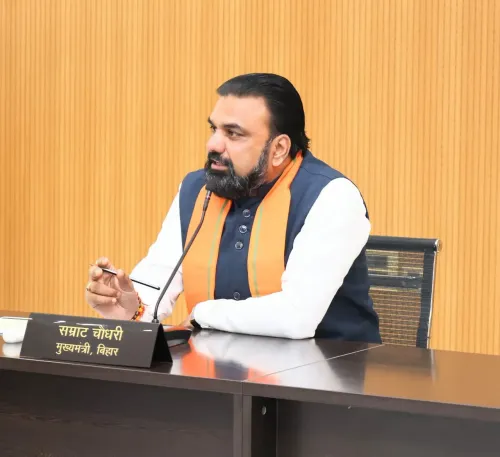
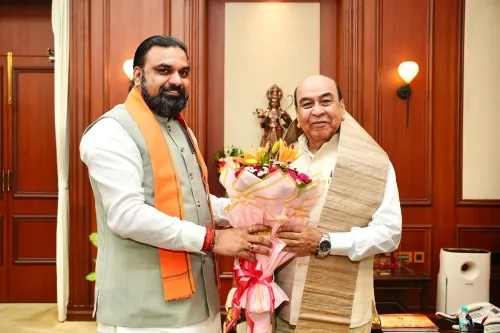
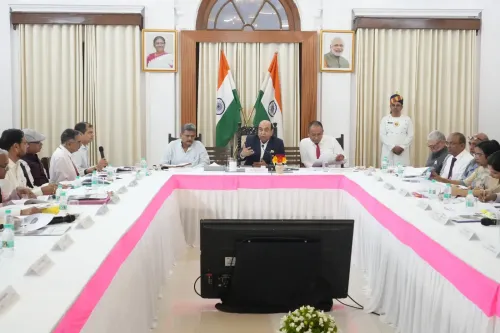
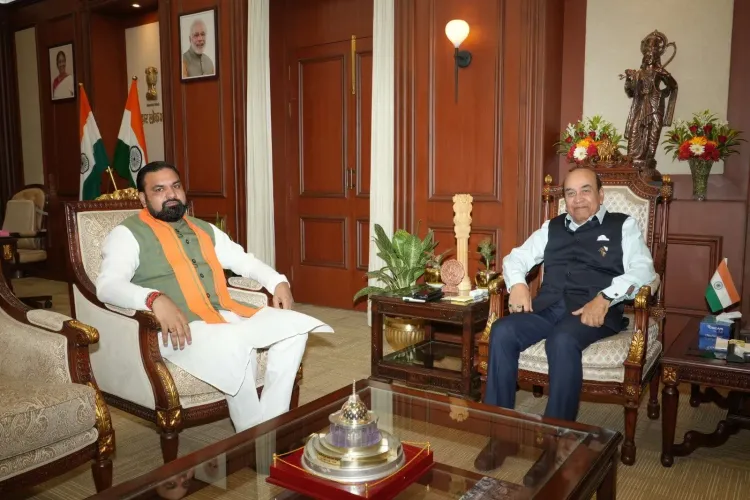
Bihar Governor Lt Gen Syed Ata Hasnain and Chief Minister Samrat Choudhary jointly chaired a high-level review at Bihar Lok Bhawan on 26 June 2026, focusing on qualitative improvement and administrative strengthening of the state's higher education system in line with NEP 2020 goals.
Key Takeaways
A high-level review meeting on Bihar's higher education system was held at Bihar Lok Bhawan, Patna on 26 June 2026 .
Governor and Chancellor Lt Gen Syed Ata Hasnain (Retd.) and Chief Minister Samrat Choudhary jointly chaired the meeting.
The stated objectives were qualitative improvement and administrative strengthening of the state's higher education system.
The meeting aligns with NEP 2020 directives for states to upgrade accreditation, faculty recruitment, and examination frameworks.
Follow-up orders on university statutes, vice-chancellor appointments, or funding norms are expected within the coming quarter.
Any legislative changes may be introduced in the monsoon or winter session of the Bihar Assembly .
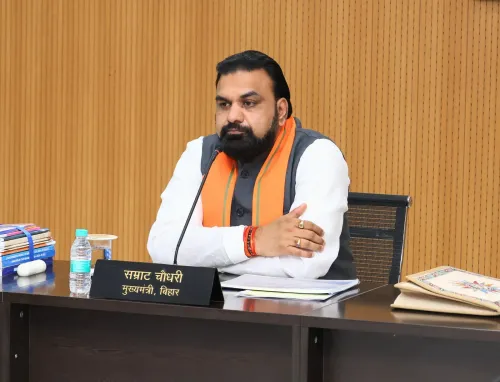
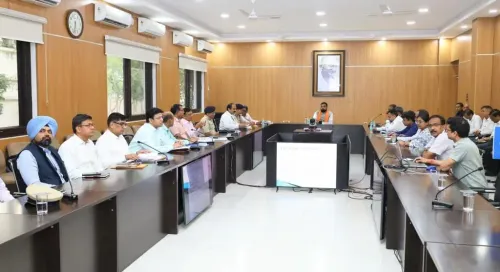
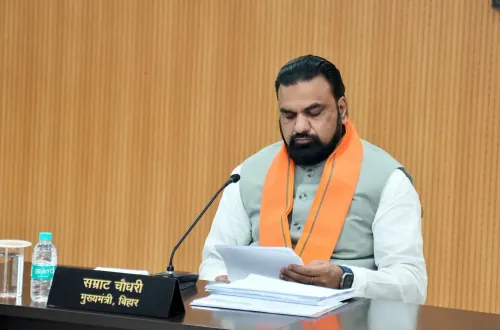
The Chief Minister's Office of Bihar announced on Friday, 26 June 2026 that a high-level review meeting on qualitative improvements and administrative strengthening of the state's higher education system was convened at Bihar Lok Bhawan, Patna, co-chaired by Governor and Chancellor Lieutenant General Syed Ata Hasnain (Retd.) and Chief Minister Samrat Choudhary.
The official post stated: 'raajy kī ucchatam shiksha vyavastha mein gunatmak sudhar tatha prashasanik sudridhikaran ke uddeshya se ek ucchastariya samiksha baithak aayojit ki gayi' — ('a high-level review meeting was organised with the objective of qualitative improvement and administrative strengthening of the state's higher education system').
Context
Bihar's public university network — comprising dozens of state universities and hundreds of affiliated colleges — has long faced governance challenges including administrative vacancies, delayed examinations, and gaps in accreditation. The Governor, in the constitutional role of Chancellor, holds ex-officio oversight over these universities, making joint Governor-CM reviews a significant mechanism for driving reform. Today's meeting at Bihar Lok Bhawan signals coordinated executive attention to these longstanding concerns.
Policy Backdrop
The National Education Policy (NEP) 2020 called on states to pursue qualitative upgrades, greater institutional autonomy, and stronger accreditation frameworks for higher education institutions. Bihar, like several other states, has been working to align its public university system with NEP provisions — including faculty recruitment norms, examination reforms, and efforts to improve NAAC (National Assessment and Accreditation Council) grades. High-level coordination between the Governor's office and the state government is a recognised pathway for accelerating such reforms, as the Chancellor's statutory powers over university appointments and statutes complement the state government's funding and legislative authority.
Similar Governor-CM level review mechanisms have been employed in other large states to resolve administrative bottlenecks — particularly around vice-chancellor appointments, revised university statutes, and resource allocation — that require both constitutional and political consensus to move forward.
Stakeholders and Impact
The primary beneficiaries of any reform outcomes from this review would be Bihar's university students, who number in the millions across the state's public higher education network, as well as academic faculty and administrators facing structural vacancies and regulatory uncertainty. Improved governance and accreditation outcomes can directly affect students' access to quality education, recognition of degrees, and employment prospects. Higher education administrators may also see clearer statutory frameworks and faster resolution of pending appointments.
Lieutenant General Syed Ata Hasnain (Retd.), as Governor, brings both constitutional authority and a background in institutional leadership to the Chancellor's role. Chief Minister Samrat Choudhary's participation underscores that the state cabinet views higher education reform as a political and governance priority, not merely an administrative matter.
What's Next
Follow-up government orders on revised university statutes, vice-chancellor appointments, or updated funding norms are possible in the coming weeks. Any legislative changes arising from the review's recommendations could surface in the monsoon or winter session of the Bihar Legislative Assembly. The outcome of this meeting is likely to set the agenda for university-level administrative actions across Bihar's public higher education system in the near term.
Point of View
Bihar is attempting to close the coordination gap that has historically slowed higher education reform. This meeting fits a broader pattern of states using high-level political signalling to accelerate NEP 2020 compliance, particularly on accreditation and governance. For Bihar, where public university outcomes have lagged national averages, the stakes are high — credible follow-through in the form of concrete orders will determine whether this review translates into structural change or remains a ceremonial exercise. Observers will watch closely for vice-chancellor appointments and revised university statutes as the real test of intent.
NationPress
25 Sept 2026
Frequently Asked Questions
What was the Bihar higher education review meeting on 26 June 2026 about?
The meeting, held at Bihar Lok Bhawan in Patna, focused on qualitative improvement and administrative strengthening of Bihar's public higher education system, co-chaired by Governor Lt Gen Syed Ata Hasnain and Chief Minister Samrat Choudhary.
Who is the Governor of Bihar and what is his role in universities?
Lieutenant General Syed Ata Hasnain (Retd.) is the Governor of Bihar. As Governor, he also serves as ex-officio Chancellor of state universities, giving him constitutional authority over key university appointments and statutes.
What is the connection between this meeting and NEP 2020?
The National Education Policy 2020 directed states to pursue qualitative upgrades and administrative autonomy in higher education. Bihar's review meeting is part of efforts to align state universities with NEP 2020 provisions on accreditation, faculty recruitment, and examination reforms.
What outcomes can be expected from the Bihar higher education review?
Follow-up government orders on vice-chancellor appointments, revised university statutes, or updated funding norms are expected. Legislative changes may be introduced in the upcoming monsoon or winter session of the Bihar Assembly.
Why is a joint Governor and Chief Minister review significant for Bihar universities?
The Governor holds constitutional authority as Chancellor over university appointments, while the Chief Minister controls state funding and legislation. A joint review combines both powers, enabling faster resolution of governance bottlenecks that neither office can address alone.