CM Nitish Kumar Announces Delhi-Patna Bullet Train Plan
Synopsis
The Chief Minister's Office of Bihar announced on 21 June 2026 that a decision has been taken to operate a bullet train between Delhi and Patna, which would reduce travel time to approximately four-and-a-quarter hours — a potentially transformative step for Bihar's connectivity.
Key Takeaways
The Chief Minister's Office of Bihar announced on 21 June 2026 that a decision has been taken to run a bullet train between Delhi and Patna .
The proposed service would reduce the Patna-to-Delhi journey to approximately four-and-a-quarter hours , compared with current fastest times of 10 to 12 hours .
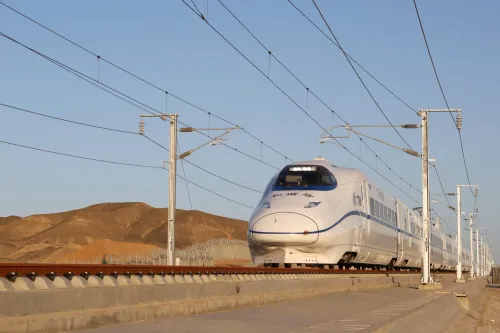
India's only operational high-speed rail project under construction remains the Mumbai-Ahmedabad corridor , sanctioned in 2017 .
The Delhi-Patna corridor has previously featured in national rail planning studies but no formally notified project existed before this announcement.
Next steps include Railway Board survey orders, a detailed project report, and land acquisition — all prerequisites before construction can begin.
The Chief Minister's Office of Bihar announced on Sunday, 21 June 2026 that a decision has been taken to run a bullet train between Delhi and Patna, a move that would cut travel time between the two cities to approximately four-and-a-quarter hours.
What Was Announced
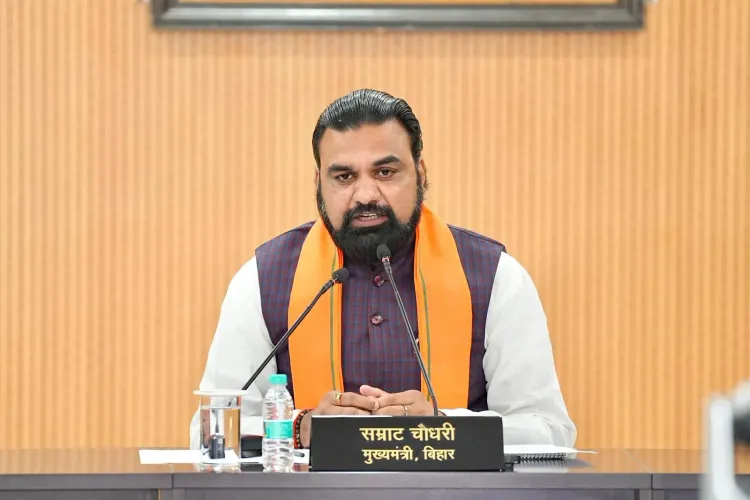
The post, shared from the official Chief Minister's Office account, quoted Chief Minister Nitish Kumar as saying: 'Delhi aur Patna ke beech bullet train chalane ka nirnay liya gaya hai' ('A decision has been taken to run a bullet train between Delhi and Patna'). The statement added that the journey from Patna to Delhi would be completable in 'approximately four-and-a-quarter hours' once the service is operational.
The announcement marks one of the most direct public statements from Bihar's government on a high-speed rail link connecting the state capital to the national capital.
Context
India's high-speed rail ambitions formally took shape with the Mumbai-Ahmedabad High Speed Rail Corridor, sanctioned in 2017 as the country's first bullet train project spanning 508 km. That corridor has since served as the template against which subsequent proposals — including eastern extensions toward Patna and Kolkata — have been evaluated.
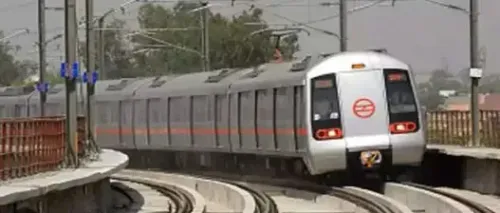
Vande Bharat Express services, introduced from 2019 at speeds of up to 180 km/h on existing tracks, have already reduced travel times on several corridors. A dedicated high-speed line, however, would require new infrastructure and land acquisition on a substantially larger scale.
Nitish Kumar has been Chief Minister of Bihar since 2005 (with brief interruptions) and has consistently prioritised rail and road connectivity projects linking Bihar to national networks as a development plank.
Policy Backdrop
The Delhi-Patna corridor has featured in national rail planning discussions and feasibility studies as part of a broader push to extend high-speed connectivity into eastern India. Successive railway budgets have referenced eastern extensions alongside the flagship western corridor, though a formally notified project for this specific alignment has not previously been confirmed in the public domain.
Indian Railways, under the Ministry of Railways, is the executing body for all high-speed rail projects in India. Any bullet train corridor requires Railway Board surveys, detailed project reports, environmental clearances, and land acquisition — a multi-year process before the first track is laid.
Stakeholders and Impact
The Delhi-Patna route is among India's busiest inter-city corridors by passenger volume, serving millions of Bihar residents who travel to the capital for work, education, and medical care. A high-speed link would also benefit the Bihar business community and could catalyse investment in logistics and real estate along the alignment.
Currently, the fastest train services between Patna Junction and New Delhi take roughly 10 to 12 hours, making a reduction to under five hours a transformative shift in connectivity if realised.
What's Next
The critical milestones to watch are the inclusion of the Delhi-Patna alignment in upcoming Railway Board survey orders, any joint statement from the Ministry of Railways and the Bihar government on project scope, and land acquisition timelines. The next Union Budget will be a key indicator of whether capital allocation follows the announcement.
If the project progresses through formal channels, it would represent a significant eastward expansion of India's high-speed rail network and a landmark infrastructure commitment for Bihar.
Point of View
Building public expectation and political capital simultaneously. For Nitish Kumar, connectivity pledges have long been a signature governance narrative, and a Delhi-Patna bullet train — if it advances — would be among the most consequential infrastructure wins for the state. The gap between announcement and Railway Board survey, however, remains the critical test of whether this is a policy commitment or an aspirational statement. Observers will watch the next Union Budget closely to see whether capital allocation follows the political signal.
NationPress
20 Sept 2026
Frequently Asked Questions
Has the Delhi-Patna bullet train been officially approved by the central government?
The announcement came from the Chief Minister's Office of Bihar on 21 June 2026, stating a decision has been taken. A formal notification from the Ministry of Railways or Railway Board confirming project sanction had not been publicly confirmed as of the announcement.
How long does it currently take to travel from Patna to Delhi by train?
The fastest train services between Patna Junction and New Delhi currently take roughly 10 to 12 hours. The proposed bullet train would reduce this to approximately four-and-a-quarter hours.
What is India's existing bullet train project?
India's first bullet train project is the Mumbai-Ahmedabad High Speed Rail Corridor, spanning 508 km, which was sanctioned in 2017 and is currently under construction.
What are the next steps before the Delhi-Patna bullet train can be built?
Key steps include a Railway Board survey order, a detailed project report, environmental clearances, and land acquisition along the alignment — a multi-year process before any construction can begin.
Who is the Chief Minister of Bihar and why is he associated with connectivity projects?
Nitish Kumar has served as Chief Minister of Bihar since 2005, with brief interruptions, and has consistently prioritised rail and road connectivity projects linking Bihar to national networks as a central plank of his governance agenda.