Bihar CM Office Backs Aerial Tourism to Boost Heritage Sites

Synopsis
The Chief Minister's Office of Bihar on 18 July 2026 endorsed an innovative aerial-tourism plan to let visitors experience the state's historical, religious, cultural, and natural sites from above, promising fresh momentum for Bihar's tourism economy.
Key Takeaways
The Chief Minister's Office of Bihar endorsed an aerial-tourism initiative on 18 July 2026 , calling it an innovative effort to showcase the state's heritage.
The initiative aims to offer tourists 'a new experience' by allowing aerial views of Bihar's historical, religious, cultural, and natural sites .
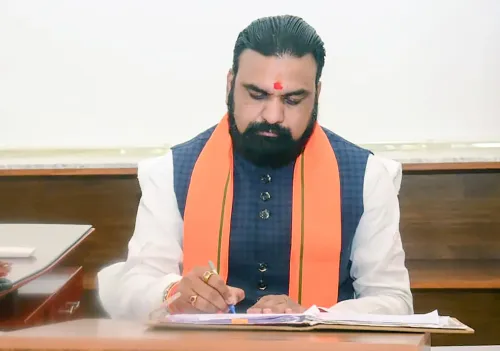
The announcement was made in a reply to Samrat Chaudhary , a Bihar BJP leader who had raised the topic of state tourism.
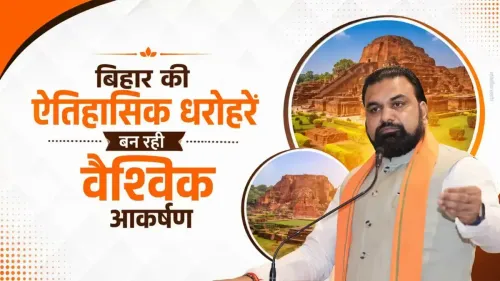
Bihar hosts major heritage landmarks including Bodh Gaya, Nalanda, and Rajgir , which form part of India's Buddhist tourism circuit.
The Central government's Swadesh Darshan scheme (launched 2014-15) had already identified Bihar's Buddhist and heritage corridors as priority development zones.
Regulatory clearances and inter-agency coordination will determine the speed of the programme's rollout.
The Chief Minister's Office of Bihar on Saturday, 18 July 2026, amplified a statement highlighting a novel aerial-tourism initiative aimed at showcasing the state's historical, religious, cultural, and natural landmarks to visitors from a bird's-eye vantage point.
Context
The post, a reply to Samrat Chaudhary (@samrat4bjp), quoted a senior official or leader as saying the initiative — described as an 'abhinav prayas' (innovative effort) — would offer tourists 'a new experience' and impart 'new momentum to tourism in the state.' The statement specifically named Bihar's historical, religious, cultural, and natural sites as the focus of the aerial viewing programme.
While the precise format of the initiative — whether drone-based overflights, helicopter joyrides, or a curated aerial-video platform — was not detailed in the post, the language signals an officially endorsed push to modernise how visitors engage with the state's heritage landscape.
Policy Backdrop
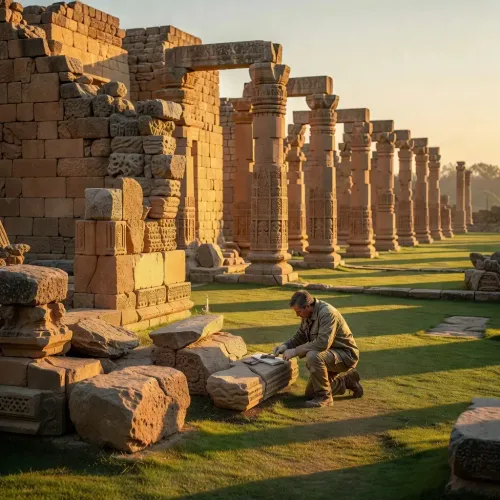
Bihar sits at the heart of India's Buddhist and Jain pilgrimage geography, home to landmarks such as Bodh Gaya, Nalanda, and Rajgir, all of which draw domestic and international pilgrims and scholars. The Central government's Swadesh Darshan scheme, launched in 2014-15, specifically included Buddhist and heritage circuits in Bihar as priority development corridors.
Several Indian states have in recent years introduced aerial or drone-based tourism products to differentiate their heritage offerings. Bihar, which has long sought to convert its dense concentration of ancient sites into sustained visitor revenue, appears to be following that broader national trend. Tourism diversification is also seen as part of a wider state strategy to reduce economic dependence on agriculture and remittances.
Stakeholders and Impact
Domestic pilgrims and heritage tourists stand to gain the most immediate benefit if the aerial routes are operationalised, offering perspectives of ancient ruins, forested hills, and river valleys that are inaccessible on foot. Heritage site managers and local hospitality businesses around Bodh Gaya, Vaishali, and Rajgir could see increased footfall if the initiative successfully attracts a new segment of experience-seeking travellers.
Regulatory clearances from aviation and civil-aviation authorities will be a prerequisite for any drone or helicopter corridor, making inter-agency coordination a key variable in how quickly the programme can be rolled out at scale.
What's Next
Observers will watch for formal announcements from the Bihar Tourism Department detailing approved aerial routes, operational timelines, and pricing structures. Visitor statistics following any soft launch will be an early indicator of whether the initiative translates political intent into measurable tourist arrivals. The programme's success could also influence how other heritage-rich states in eastern India design their own experiential tourism products.
Point of View
Assets that few other Indian states can replicate. The timing also fits a broader pattern of state governments using technology-adjacent tourism products — drone shows, virtual reality walkthroughs, aerial corridors — to attract younger, urban travellers. Whether the initiative delivers on its promise will depend heavily on regulatory speed and on-ground infrastructure, both of which have historically been friction points for Bihar's tourism ambitions.
NationPress
19 Jul 2026
Frequently Asked Questions
What is Bihar's new aerial tourism initiative?
The Bihar government has backed an innovative programme to let tourists view the state's historical, religious, cultural, and natural sites from the air, described officially as an effort to provide visitors a new experience and give tourism in the state fresh momentum.
Which sites in Bihar will be covered under aerial tourism?
The announcement broadly references Bihar's historical, religious, cultural, and natural landmarks. Key sites in the state include Bodh Gaya, Nalanda, Rajgir, and Vaishali, which are among the most prominent heritage destinations.
What is the Swadesh Darshan scheme and how does it relate to Bihar?
Swadesh Darshan is a Central government scheme launched in 2014-15 to develop thematic tourism circuits across India. Bihar's Buddhist and heritage circuit was among the priority corridors identified under the scheme.
Who is Samrat Chaudhary in the context of Bihar politics?
Samrat Chaudhary is a Bihar BJP leader who has publicly discussed the state's tourism and development initiatives and whose post the Chief Minister's Office was responding to on 18 July 2026.
Will drones or helicopters be used for aerial tourism in Bihar?
The official statement did not specify the exact format of the aerial initiative. Any such programme involving drones or helicopters would require regulatory clearances from civil-aviation authorities before it can be operationalised.