CM Samrat Choudhary Launches Helicopter Joy Ride & Tourism Schemes

Synopsis
Bihar Chief Minister Samrat Choudhary inaugurated a helicopter joy ride service and new tourism schemes on 18 July 2026, advancing the state's push into aerial and adventure tourism to attract higher-spending visitors to its rich heritage circuit.
Key Takeaways
Bihar CM Samrat Choudhary inaugurated a helicopter joy ride service and tourism schemes on 18 July 2026 .
The event was streamed live, reflecting the government's use of digital outreach for policy announcements.
The initiative targets higher-spending domestic tourists seeking experiential travel beyond traditional pilgrimage visits.
Bihar's tourism assets include major Buddhist sites such as Bodh Gaya , Nalanda , and Rajgir .
Key beneficiaries include local tourism businesses, hospitality operators, and communities near heritage corridors.
Rollout timelines and private-sector partnerships for the new schemes remain to be detailed.
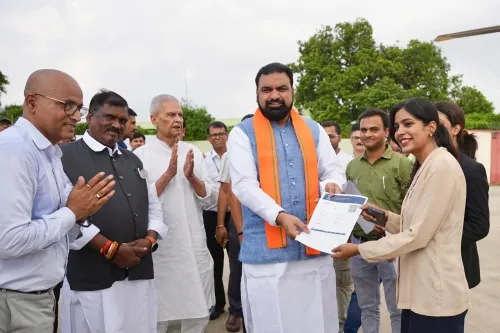
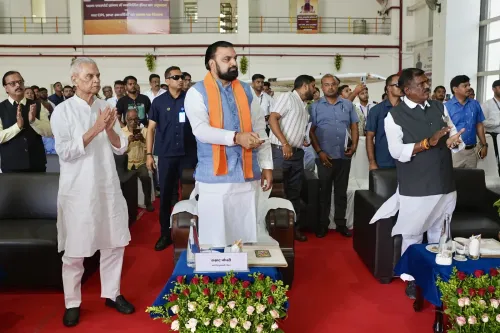
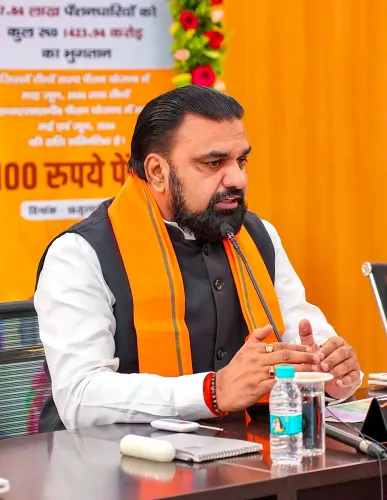
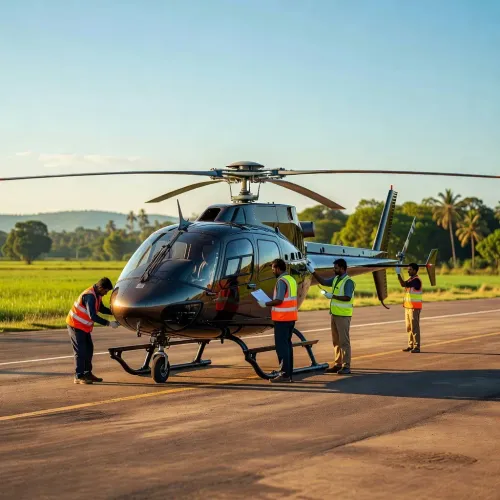
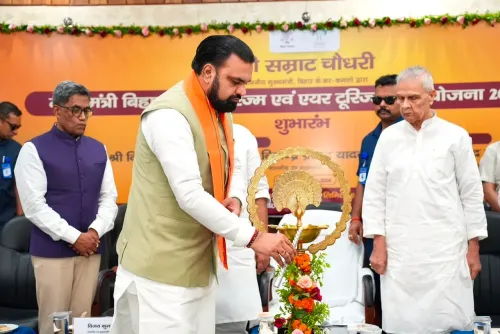
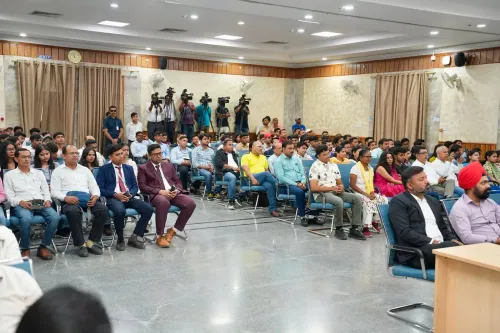
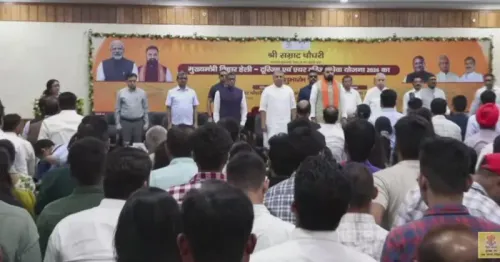
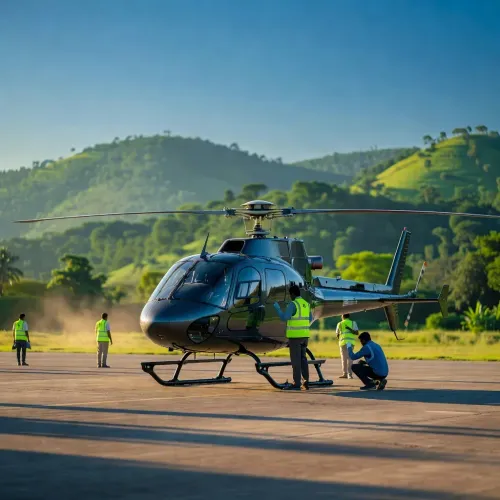
Bihar Chief Minister Samrat Choudhary on Saturday, 18 July 2026, inaugurated a helicopter joy ride service and a set of new tourism schemes in a live event, signalling the state government's push to expand adventure and aerial tourism across Bihar.
Context
The Chief Minister shared the inauguration live on social media, tagging the event as 'Helicopter Joy Ride aur Paryatan Yojanaon ka Udghatan Karyakram' (Inauguration Programme for Helicopter Joy Ride and Tourism Schemes). The announcement marks a visible step in Bihar's effort to position itself as a destination for experiential tourism, moving beyond its traditional image as a heritage and pilgrimage circuit.
Bihar holds significant religious and archaeological assets, including Buddhist pilgrimage sites such as Bodh Gaya, Nalanda, and Rajgir, which draw both domestic and international visitors. Aerial tourism components like joy rides are designed to add a premium, higher-spending layer to the visitor economy.
Policy Backdrop
The launch fits a broader pattern of state-level tourism infrastructure investment under the BJP-led government in Bihar. State administrations have periodically announced upgrades to leverage Bihar's historical sites, but aerial tourism represents a newer, more aspirational segment being targeted by the current dispensation.
Helicopter tourism has gained traction across several Indian states as a tool to attract urban, higher-income tourists and to open up sites that lack road connectivity. By introducing joy rides alongside formal tourism schemes, the Bihar government is signalling intent to compete in this emerging segment of domestic travel.
Stakeholders and Impact
The primary beneficiaries of such schemes are local tourism businesses, hospitality operators, and communities near heritage sites who stand to gain from increased footfall and spending. Tourists — particularly domestic visitors from urban centres — gain access to a new mode of experiencing Bihar's landscape and landmarks.
Private-sector operators involved in helicopter services and tourism infrastructure are also key stakeholders, as state-backed schemes often create structured demand and potential public-private partnership frameworks. The rollout could generate employment in ancillary services such as ground handling, hospitality, and local guiding.
What's Next
Attention will now turn to the operational timelines for the helicopter joy ride service and the specific schemes unveiled at the event, including any linked subsidies, routes, or private-sector partnerships. The government's ability to sustain and scale these initiatives beyond the inauguration stage will determine their long-term impact on Bihar's tourism economy.
If the aerial tourism pilot gains traction, it could serve as a template for expanding similar services to other heritage corridors in the state, reinforcing Bihar's positioning as a multi-experience destination on India's tourism map.
Point of View
Experience-driven travel products — a strategy several northern states have used to unlock premium visitor spending. For CM Samrat Choudhary, the live-streamed launch serves a dual purpose: demonstrating governance momentum and staking a visible claim on Bihar's economic diversification narrative ahead of future electoral cycles. The real test, however, lies in operationalisation: Bihar's tourism launches have historically faced gaps between announcement and sustained delivery. Whether this initiative attracts durable private investment or remains a symbolic gesture will define its place in the state's development arc.
NationPress
17 Oct 2026
Frequently Asked Questions
What did Bihar CM Samrat Choudhary inaugurate on 18 July 2026?
Bihar Chief Minister Samrat Choudhary inaugurated a helicopter joy ride service along with a set of new tourism schemes on 18 July 2026, aimed at boosting adventure and aerial tourism in the state.
Where will the helicopter joy ride service operate in Bihar?
Specific routes and operational locations for the helicopter joy ride service have not yet been officially detailed; further announcements on rollout timelines are expected from the Bihar government.
How does helicopter tourism benefit Bihar's economy?
Helicopter tourism attracts higher-spending domestic visitors, generates employment in hospitality and ancillary services, and helps monetise Bihar's rich heritage sites such as Bodh Gaya, Nalanda, and Rajgir.
What are Bihar's major tourism attractions?
Bihar is home to significant Buddhist pilgrimage and heritage sites including Bodh Gaya, Nalanda, Rajgir, and Vaishali, which draw both domestic and international tourists.
Who benefits from Bihar's new tourism schemes?
Local tourism businesses, hospitality operators, helicopter service providers, communities near heritage sites, and domestic tourists seeking experiential travel are the primary beneficiaries of the new schemes.