Bihar CM Office Transfers Rs 200 Cr to 3.96 Lakh Farmers Hit by Unseasonal Rain
Synopsis
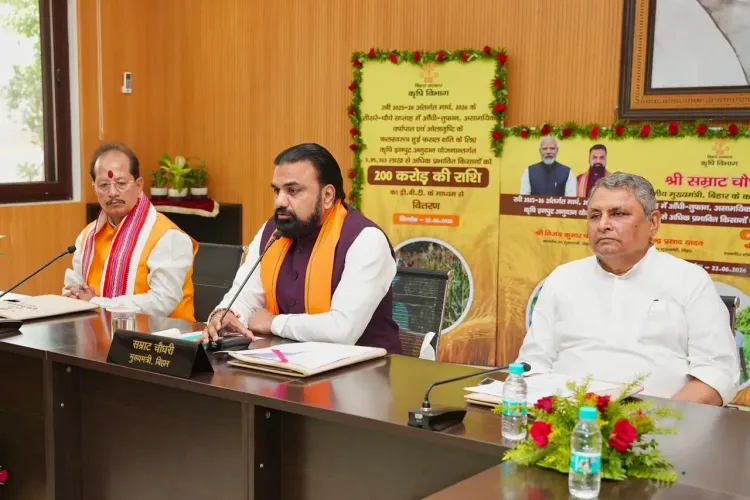
Bihar's Chief Minister's Office announced a DBT transfer of over Rs 200 crore to more than 3.96 lakh farmers affected by unseasonal rain and hailstorms, disbursed under the Krishi Input Anudan Yojana on 22 June 2026.
Key Takeaways
The Chief Minister's Office of Bihar announced the transfer on 22 June 2026 .
Over Rs 200 crore was disbursed in a single online transfer via the Direct Benefit Transfer (DBT) mechanism.
More than 3.96 lakh farmers received the grant directly into their bank accounts.
The disbursement was made under the Krishi Input Anudan Yojana , Bihar's agricultural input grant scheme for calamity-hit farmers.
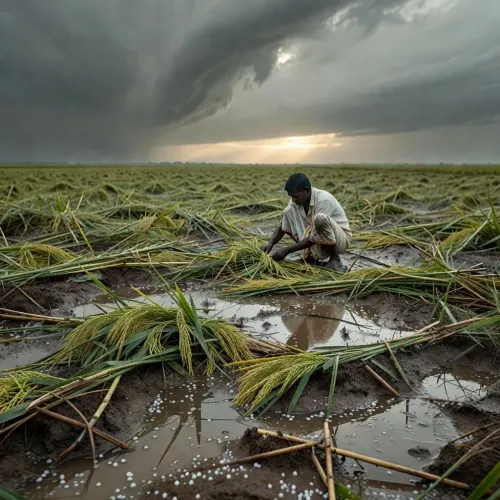
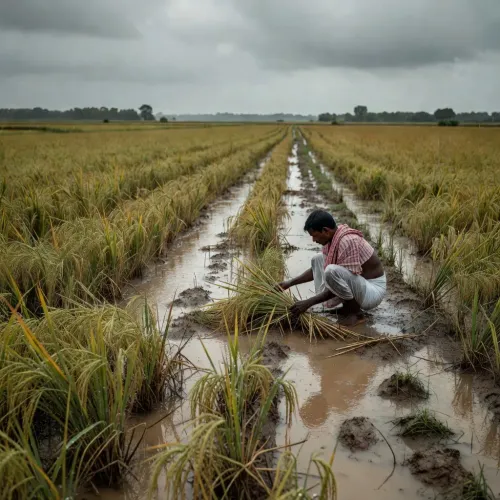
The relief targets farmers whose crops were damaged by unseasonal rainfall and hailstorms .
Further tranches may follow subject to official crop damage surveys by the Bihar agriculture department .
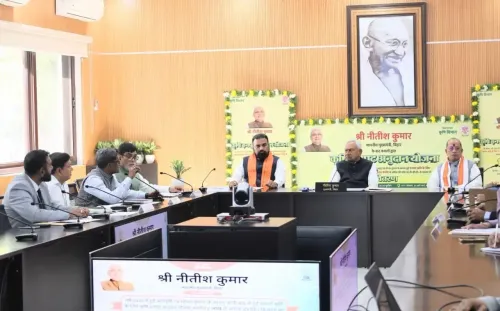
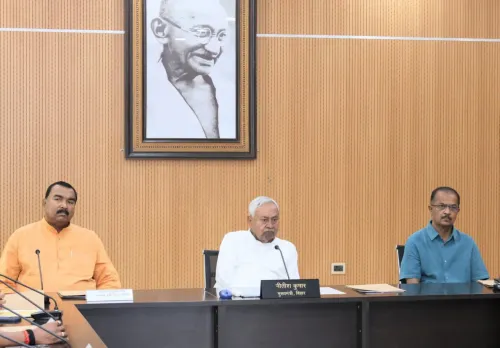
The Chief Minister's Office of Bihar announced on Monday, 22 June 2026 that the state government has disbursed more than Rs 200 crore directly into the bank accounts of over 3.96 lakh farmers affected by unseasonal rainfall and hailstorms, under the Krishi Input Anudan Yojana (Agricultural Input Grant Scheme) through the Direct Benefit Transfer (DBT) mechanism.
Context
The official post from @officecmbihar stated: 'asaamayik varsha evam olaavrishti se prabhavit kisaanon ko badi rahat pradaan karte hue' — 'providing major relief to farmers affected by unseasonal rain and hailstorms' — the state government transferred the grant amount online through DBT into beneficiaries' accounts. The transfer covers farmers enrolled under the Krishi Input Anudan Yojana, a Bihar government scheme specifically designed to compensate cultivators for losses caused by natural calamities.
Bihar's agricultural landscape, spread across the Gangetic plains, is routinely exposed to extreme weather events including hailstorms and erratic monsoon patterns that can devastate standing crops. Rapid financial relief through direct transfers is seen as a critical buffer for smallholder farmers who lack insurance cover or savings to absorb such shocks.
Policy Backdrop
The Krishi Input Anudan Yojana is a state-level scheme that provides grants for agricultural inputs — seeds, fertilisers, and related materials — to farmers whose crops are damaged by natural calamities. It operates on the Direct Benefit Transfer platform, which the Government of India formally expanded in 2013 to route welfare subsidies directly to citizens, cutting out intermediaries and reducing leakage.
Bihar has consistently used DBT-enabled transfers for calamity relief, aligning state welfare delivery with the national push for digital, transparent disbursement. Transferring funds online into individual bank accounts ensures that the grant reaches the intended beneficiary without diversion, a key concern in earlier, cash-based relief systems.
Stakeholders and Impact
The primary beneficiaries are the more than 3.96 lakh farmers across Bihar whose crops were damaged by unseasonal rain and hailstorm events preceding the announcement. For smallholder and marginal farmers — who constitute the majority of Bihar's agricultural workforce — a direct grant of this scale can be decisive in funding the next sowing cycle.
The transfer of over Rs 200 crore in a single online disbursement also signals the state's administrative capacity to mobilise large-scale relief rapidly. Agriculture departments and district administrations would have been involved in enumerating affected farmers and validating claims before the transfer was processed.
What's Next
The Bihar agriculture department is expected to release official crop damage survey data ahead of the next sowing cycle, which will determine whether additional tranches under the Krishi Input Anudan Yojana are warranted. The scale and speed of this disbursement may set a benchmark for subsequent calamity-relief rounds in the state.
With Bihar's agricultural calendar closely tied to the monsoon, any further unseasonal weather events before the kharif harvest could trigger fresh assessments and additional DBT transfers. The state government's use of digital infrastructure for relief delivery will also be watched as a model for other flood- and drought-prone states in the Gangetic belt.
Point of View
The state signals a preference for institutionalised, scheme-based calamity response over discretionary relief. The timing, ahead of the kharif sowing window, is politically and agriculturally significant: farmers who receive input grants promptly are more likely to replant, limiting long-term productivity loss. This move also fits a broader pattern across Indian states of using DBT speed and transparency as a governance credential.
NationPress
22 Jun 2026
Frequently Asked Questions
What is the Krishi Input Anudan Yojana in Bihar?
The Krishi Input Anudan Yojana is a Bihar government scheme that provides financial grants to farmers for agricultural inputs such as seeds and fertilisers when their crops are damaged by natural calamities like unseasonal rain or hailstorms.
How much money did Bihar transfer to farmers affected by unseasonal rain?
Bihar's Chief Minister's Office announced a transfer of more than Rs 200 crore to over 3.96 lakh affected farmers on 22 June 2026 under the Krishi Input Anudan Yojana.
What is DBT and how does it help farmers in Bihar?
DBT, or Direct Benefit Transfer, is a mechanism through which the government deposits subsidies and grants directly into beneficiaries' bank accounts, eliminating middlemen and reducing leakage. Bihar used DBT to transfer the agricultural input grant to over 3.96 lakh farmers.
Which farmers are eligible for the Krishi Input Anudan Yojana in Bihar?
Farmers whose crops have been damaged by natural calamities — including unseasonal rainfall and hailstorms — are eligible to apply for grants under the Krishi Input Anudan Yojana in Bihar.
Will Bihar release more funds for farmers hit by hailstorms in 2026?
The Bihar agriculture department is expected to conduct official crop damage surveys, and further tranches under the Krishi Input Anudan Yojana may be released depending on the extent of damage assessed ahead of the next sowing cycle.