CM Bihar Orders Night Inspections of Govt Hospitals
Synopsis
Bihar CM Nitish Kumar has directed divisional commissioners and district officers to conduct regular night inspections of government hospitals, following a review of health institution strengthening and the state's referral system, the Chief Minister's Office announced on 2 July 2026.
Key Takeaways
Bihar CM Nitish Kumar ordered regular night inspections of government hospitals across the state on 2 July 2026 .
The directive was issued during a review of health institution strengthening and the referral system .
Divisional commissioners , district officers , and other senior officials have been tasked with carrying out the inspections.
The move aims to ensure 24x7 functionality of public health facilities and reduce avoidable patient referrals to metro hospitals.
Bihar has a track record of using top-down inspection regimes across departments to enforce ground-level accountability.
Compliance reports from the inspections will be the key indicator of follow-through by the Bihar Health Department .
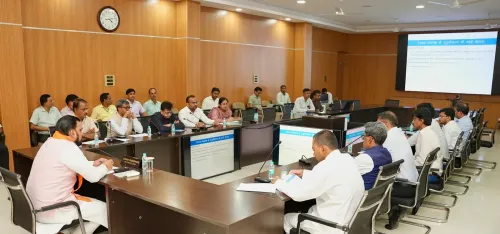
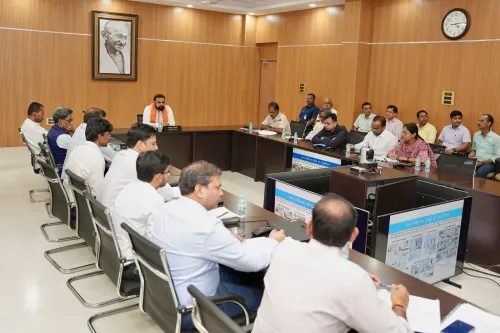
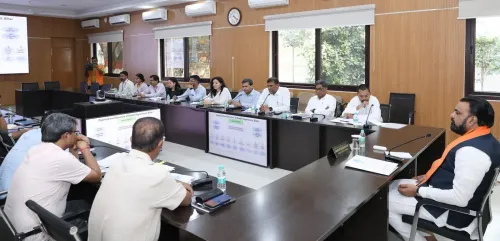
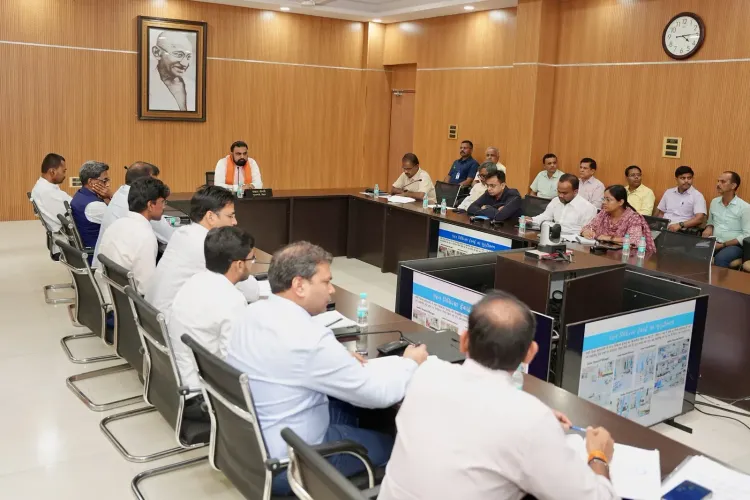
The Chief Minister's Office of Bihar announced on 2 July 2026 that Chief Minister Nitish Kumar has directed divisional commissioners, district officers, and other senior officials to conduct regular night inspections of government hospitals across the state, following a review of health institution strengthening and the referral system.
The post, shared from the official handle of the Chief Minister's Office, stated that the Chief Minister, while reviewing the 'strengthening of health institutions and the referral system' (swasthya sansthaon ke sudridhikaran evam referral vyavastha ki samiksha), issued the directive to divisional commissioners (pramandaleey aayuktoon), district officers (jila padhadhikariyon), and other senior officials.
Context
The directive comes as part of Bihar's ongoing push to ensure 24x7 functionality of its public health infrastructure. Night inspections are designed to catch lapses in staffing, medicine availability, and emergency care that routine daytime visits often miss. The move signals the Chief Minister's direct attention to the quality of care delivered after hours in district and sub-divisional hospitals.
Policy Backdrop
Since 2005, successive administrations under Nitish Kumar have worked to upgrade Bihar's health infrastructure under the National Health Mission framework, strengthening primary health centres and district hospitals. Bihar has repeatedly deployed top-down monitoring mechanisms — including surprise inspections across multiple departments — as an accountability tool to enforce compliance at the ground level. The referral system review is significant because a disproportionate patient load is often pushed towards Patna and other metros due to functional gaps in district-level facilities.
The Bihar Health Department, which oversees government hospitals and referral linkages, is the nodal body through which such directives are operationalised. Divisional commissioners, as senior IAS officers heading administrative divisions, are now being brought into the health oversight loop alongside district officers.
Stakeholders and Impact
The primary beneficiaries of effective night inspections are rural and semi-urban patients who depend entirely on government hospitals for emergency and after-hours care. Hospital staff — doctors, nurses, and paramedics — will face heightened accountability for maintaining presence and service standards during night shifts. District and divisional officers will now carry an additional oversight mandate beyond their existing administrative responsibilities.
If enforced consistently, the directive could reduce avoidable referrals to tertiary centres, easing the burden on Patna Medical College and Hospital and other apex facilities. It also sets a precedent for similar inspection regimes in other health-adjacent departments.
What's Next
The key measure of this directive's effectiveness will be the compliance reports generated by divisional commissioners and district officers in the weeks following the order. Follow-up reviews by the Bihar Health Department will determine whether the inspection mandate translates into measurable improvements in night-time service delivery. Any escalation — such as public reporting of inspection findings or punitive action against defaulting facilities — will signal the seriousness with which the administration intends to pursue accountability.
Point of View
Not the initial announcement. By looping in divisional commissioners rather than relying solely on health department officials, the Chief Minister is expanding the accountability chain, which can reduce the risk of inspections becoming perfunctory. The referral system angle is politically significant: if district hospitals function properly at night, the state can demonstrably reduce the 'patient flight' to Patna that has long been a visible marker of Bihar's healthcare gaps. Whether this directive produces structural change or fades into routine bureaucratic compliance will depend on whether inspection findings are made public and acted upon.
NationPress
1 Oct 2026
Frequently Asked Questions
Why has Bihar CM ordered night inspections of government hospitals?
Bihar CM Nitish Kumar ordered the inspections after reviewing the state of health institutions and the referral system, aiming to ensure hospitals are fully functional and adequately staffed during night hours.
Who will conduct the night inspections of Bihar government hospitals?
Divisional commissioners, district officers, and other senior officials have been directed to carry out the regular night inspections of government hospitals across Bihar.
What is the referral system review in Bihar about?
The referral system review examines how patients are transferred between primary health centres, district hospitals, and tertiary facilities. Bihar has long sought to reduce unnecessary referrals to Patna and other metros by strengthening district-level care.
How does this Bihar hospital inspection order affect patients?
Rural and semi-urban patients who depend on government hospitals for emergency and after-hours care stand to benefit if the inspections result in better staffing and service availability at night.
Has Bihar done hospital inspections like this before?
Yes, Bihar under Nitish Kumar has periodically used surprise and scheduled inspections across health and other departments as an accountability mechanism, particularly since 2005 when successive health infrastructure upgrades were launched.