CM Samrat Choudhary orders referral curbs in Bihar hospitals by Aug 2026
Synopsis
Bihar Chief Minister Samrat Choudhary has ordered a halt to unnecessary referrals from district hospitals to medical colleges by 15 August 2026, directing officials to build an accountable referral policy, accelerate Ayushman card and ABHA ID enrolment, and conduct regular night inspections of government hospitals.
Key Takeaways
15 August 2026 is the deadline set by CM Samrat Choudhary to enforce curbs on unnecessary referrals from sub-divisional and district hospitals to medical colleges.
A clear, time-bound referral policy with accountability mechanisms must be developed before the deadline.
Divisional Commissioners and District Officers have been directed to conduct regular night inspections of government hospitals.
Officials must accelerate enrolment of Ayushman cards and ABHA (Ayushman Bharat Health Account) IDs among beneficiaries.
The initiative aims to ensure patients receive quality treatment at their nearest government hospital without being pushed to higher-tier facilities unnecessarily.
The reform aligns with the national Ayushman Bharat scheme and the Ayushman Bharat Digital Mission launched in 2018 and 2020 respectively.
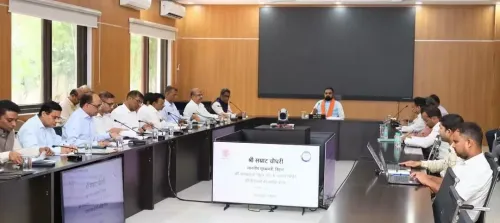
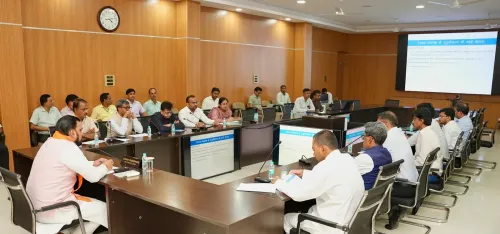
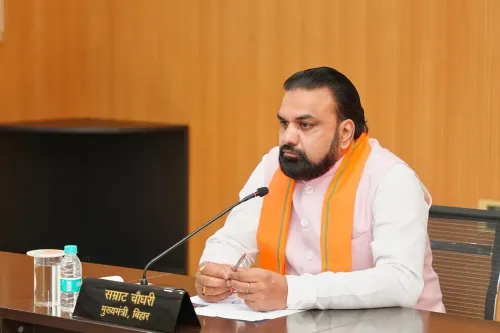
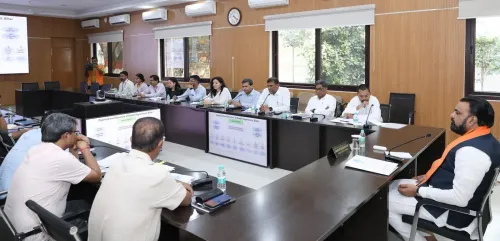
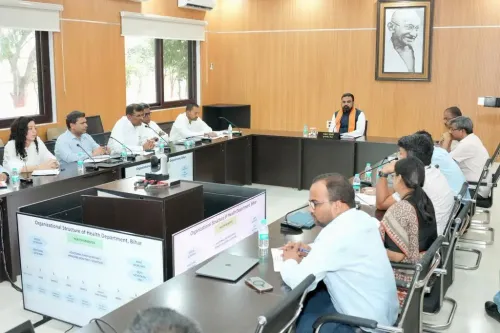
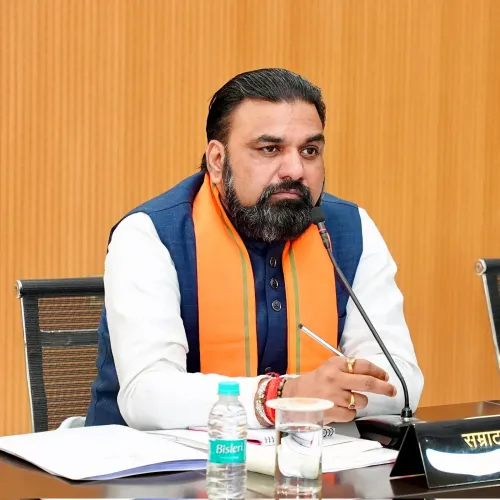
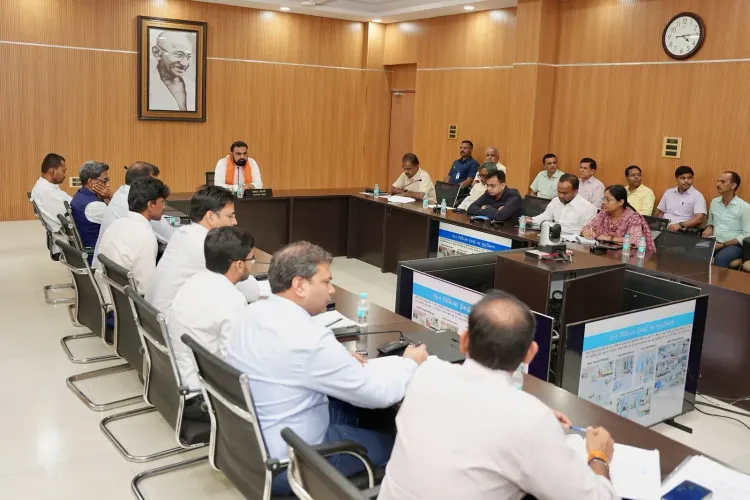
Bihar Chief Minister Samrat Choudhary chaired a high-level review meeting at Lok Sevak Avas on Thursday, 2 July 2026, directing officials to overhaul the state's public health infrastructure and referral system. He set a firm deadline of 15 August 2026 for sub-divisional and district hospitals to stop unnecessary referrals to medical colleges and higher health institutions.
Context
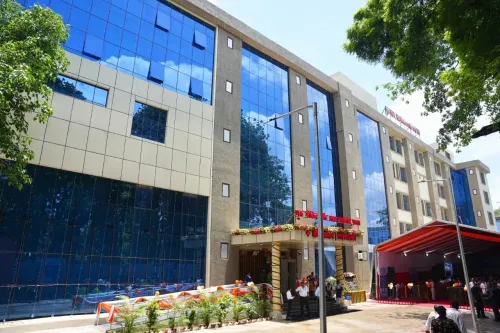
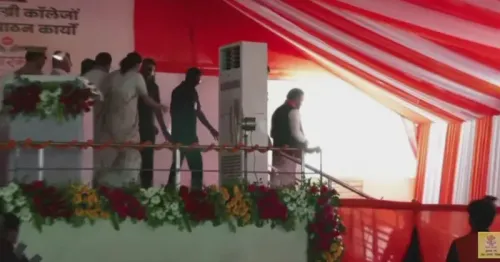
Posting on X, Chief Minister Choudhary stated — 'अनावश्यक रेफरल पर प्रभावी रोक सुनिश्चित की जाए' ('effective curbs on unnecessary referrals must be ensured') — and called for a 'clear policy with a time-bound and accountable mechanism' so that patients receive 'quality and appropriate treatment at their nearest government hospital.' The post was accompanied by four images from the review meeting.
The directive targets a long-standing pressure point in Bihar's public health system, where district and sub-divisional hospitals routinely transfer patients upward to state medical colleges, overcrowding tertiary facilities and forcing families to travel long distances for care that could be delivered locally.
Policy Backdrop
The push aligns with the national Ayushman Bharat Pradhan Mantri Jan Arogya Yojana, launched in 2018, which provides up to Rs 5 lakh per family for secondary and tertiary care and is designed to decongest higher-referral chains by strengthening lower-tier facilities. The Ayushman Bharat Digital Mission, initiated in 2020, underpins the drive through ABHA (Ayushman Bharat Health Account) digital IDs that link patient records across facilities.
Chief Minister Choudhary specifically instructed officials to accelerate the creation of Ayushman cards and ABHA IDs among beneficiaries, signalling that digital integration is central to the accountability framework he wants in place before the August deadline.
Stakeholders and Impact
Divisional Commissioners, District Officers, and other senior officials were directed to conduct regular night inspections of government hospitals — an unusual administrative measure aimed at ensuring round-the-clock service quality rather than compliance only during daytime visits. The instruction reflects a broader intent to make health services 'more effective, transparent, accountable, and people-centric,' as stated in the post.
The beneficiaries are primarily Bihar's rural and semi-urban patients who currently bear the cost and hardship of travelling to state medical colleges for conditions that district hospitals should be equipped to handle. Staff at district and sub-divisional hospitals will face heightened performance scrutiny under the new referral accountability norms.
What's Next
Officials have been asked to develop a clear written policy with defined timelines before 15 August 2026, coinciding with Independence Day — a politically significant marker for scheme launches and policy rollouts in India. The government is expected to release district-level progress reports on Ayushman card and ABHA ID enrolment as part of the accountability structure.
If implemented as directed, the referral reform could set a replicable model for other states grappling with overcrowded tertiary hospitals, positioning Bihar within the national narrative of the #विकसित_भारत ('Viksit Bharat' — Developed India) agenda championed by the BJP-led central government.
Point of View
Making Bihar's referral reform as much a political statement as a health policy. Whether district-level capacity — staff, equipment, medicines — can actually absorb the referral load by August will determine if the policy holds or quietly lapses.
NationPress
1 Oct 2026
Frequently Asked Questions
What did Bihar CM Samrat Choudhary announce about hospitals?
Bihar Chief Minister Samrat Choudhary directed officials on 2 July 2026 to stop unnecessary referrals from district and sub-divisional hospitals to medical colleges by 15 August 2026, and to build a transparent, accountable referral policy.
What is the 15 August 2026 hospital referral deadline in Bihar?
By 15 August 2026, Bihar's sub-divisional and district hospitals must implement a policy that prevents patients from being unnecessarily sent to medical colleges or higher institutions, ensuring quality treatment is available locally.
What is ABHA ID and why is Bihar pushing for it?
ABHA stands for Ayushman Bharat Health Account — a digital health ID under the Ayushman Bharat Digital Mission that links a patient's health records across facilities. Bihar is accelerating its enrolment to support digital integration and accountability in government hospitals.
Why are Bihar officials being asked to do night inspections of hospitals?
CM Samrat Choudhary ordered Divisional Commissioners and District Officers to conduct regular night inspections to ensure government hospitals maintain service quality around the clock, not just during standard working hours.
How does the Bihar referral reform relate to Ayushman Bharat?
The Ayushman Bharat scheme, launched in 2018, provides up to Rs 5 lakh per family for secondary and tertiary care and aims to decongest higher hospitals by strengthening district-level facilities — the same goal Bihar's new referral policy seeks to advance.