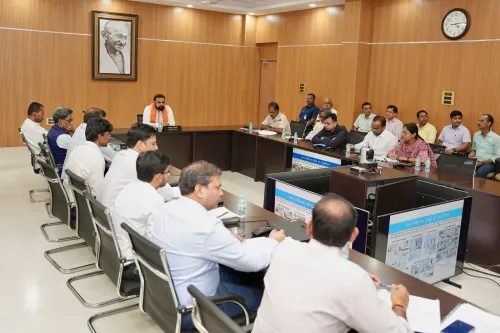
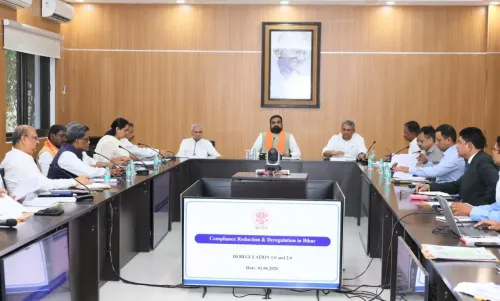
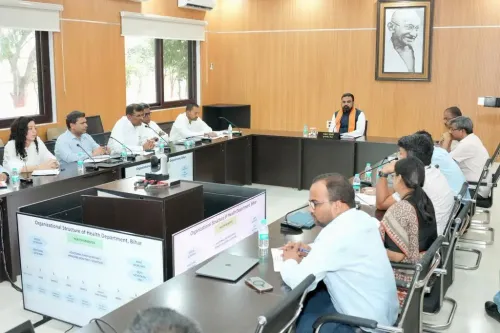
CM Nitish Orders Curb on Unnecessary Referrals from Bihar District Hospitals
Synopsis
Chief Minister Nitish Kumar has directed Bihar's health authorities to enforce a ban on unnecessary referrals from sub-divisional and district hospitals to medical colleges and tertiary centres, effective 15 August 2026, with a formal policy and robust monitoring system to be developed before the deadline.
Key Takeaways
Chief Minister Nitish Kumar has ordered an end to unnecessary referrals from sub-divisional and district hospitals to medical colleges and higher health institutions in Bihar .
The directive is to take effect from 15 August 2026 , coinciding with Independence Day .
The Bihar Health Department has been tasked with drafting a clear referral policy and building a robust enforcement system before the deadline.
The move aims to reduce patient overload at tertiary institutions in Patna and other cities while making district hospitals more accountable.
Rural patients stand to benefit from reduced unnecessary travel and out-of-pocket costs if the policy is implemented effectively.
Bihar's push mirrors similar referral-gatekeeping reforms undertaken by several other Indian states to strengthen the public-health pyramid.
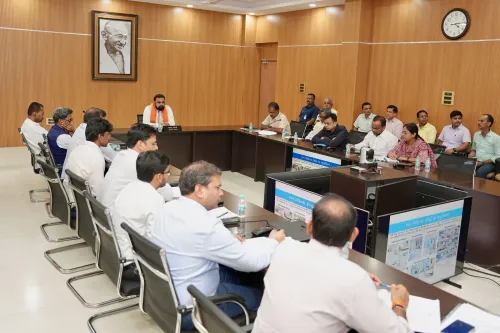
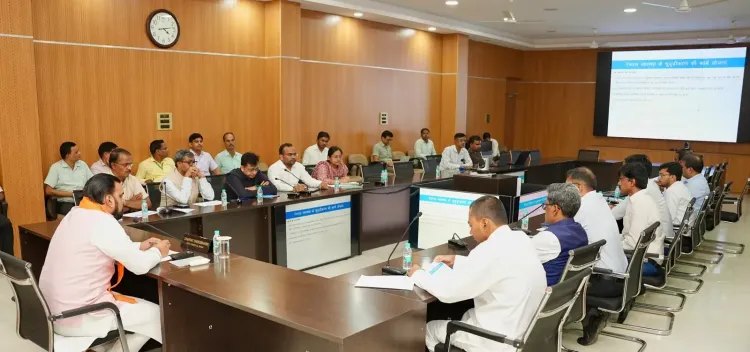
The Chief Minister's Office of Bihar announced on Thursday, 2 July 2026 that Chief Minister Nitish Kumar has directed state health authorities to put an effective stop to unnecessary referrals from sub-divisional and district hospitals to medical colleges and higher health institutions, with the order to take effect from 15 August 2026. The directive calls for a clear policy to be drafted and a robust system to be developed to enforce the curb.
Context
The Chief Minister's Office posted the directive in Hindi, stating: '15 अगस्त 2026 से अनुमंडलीय एवं जिला अस्पतालों से मेडिकल कॉलेजों तथा अन्य उच्च स्वास्थ्य संस्थानों में होने वाले अनावश्यक रेफरल पर प्रभावी रोक सुनिश्चित की जाए' — meaning, 'Effective curbs on unnecessary referrals from sub-divisional and district hospitals to medical colleges and other higher health institutions must be ensured from 15 August 2026.' The order further instructs that a 'clear policy be prepared and a strong system be developed' to implement this. The chosen date, Independence Day 2026, signals the government's intent to frame the reform as a milestone in public health delivery.
Policy Backdrop
Bihar has been incrementally expanding its network of government medical colleges and upgrading district hospitals over the past two decades, partly under the framework of the National Health Mission launched in 2005. A persistent challenge has been the tendency of secondary-care facilities to refer patients upward — often unnecessarily — to tertiary institutions in Patna and other cities, overwhelming those centres while leaving district hospitals underutilised. Chief Minister Nitish Kumar, who has served multiple terms at the helm of the state, has repeatedly pushed to rationalise patient flow as part of broader health-system reforms. Comparable referral-gatekeeping frameworks have been introduced in several other Indian states seeking to strengthen the public-health pyramid.
Stakeholders and Impact
The directive most directly affects rural and semi-urban patients in Bihar who currently travel long distances to Patna and other cities after being referred from district hospitals, often for conditions that secondary-care facilities are equipped to handle. If implemented effectively, the policy could reduce out-of-pocket travel and accommodation costs for patients and their families. District hospital doctors will face greater accountability to treat patients at their level, while medical college administrators at tertiary centres may see some relief from patient overload. The Bihar Health Department will be responsible for drafting the referral policy and building the monitoring infrastructure before the deadline.
What's Next
The immediate task before the Bihar Health Department is to translate the Chief Minister's directive into a formal, notified referral policy — complete with criteria defining what constitutes an 'unnecessary' referral and a mechanism to track and penalise violations. Health administrators will need to set up the 'robust system' the directive mandates well before 15 August 2026 to allow for training and orientation at the district level. The success of the initiative will ultimately depend on whether district hospitals receive commensurate upgrades in staffing, equipment, and specialist availability to handle cases they are currently referring upward.
Point of View
Enforceable referral protocol before the date, and whether district hospitals receive the staffing and equipment upgrades needed to make the policy viable rather than punitive. Across India, similar directives have often stalled at the implementation stage, making Bihar's follow-through a closely watched indicator of the state's administrative capacity.
NationPress
1 Oct 2026
Frequently Asked Questions
What is the Bihar government's new order on hospital referrals?
Chief Minister Nitish Kumar has directed that unnecessary referrals from sub-divisional and district hospitals to medical colleges and higher health institutions be effectively stopped from 15 August 2026, with a clear policy and monitoring system to be developed before then.
From which date will Bihar's referral curb come into effect?
The directive is set to take effect from 15 August 2026 , which is India's Independence Day.
Which hospitals does the Bihar referral ban apply to?
The order applies to sub-divisional and district hospitals across Bihar that currently refer patients to government medical colleges and other higher health institutions.
Why is Bihar cracking down on unnecessary hospital referrals?
Unnecessary referrals overburden medical colleges and tertiary centres — particularly in Patna — while leaving district hospitals underutilised, forcing rural patients to travel long distances for care that could be delivered locally.
What happens next after CM Nitish Kumar's referral directive?
The Bihar Health Department must now draft a formal referral policy with clear criteria and build an enforcement system well before 15 August 2026 to allow adequate preparation at the district level.