CM Bihar Directs Officials to Cut Unnecessary Compliances
Synopsis
Bihar Chief Minister on June 1, 2026 directed officials to eliminate unnecessary compliances and build a more accessible environment for investment and business in the state, aligning with a national push to ease regulatory burdens on enterprises.
Key Takeaways
Bihar Chief Minister issued a directive on June 1, 2026 to eliminate unnecessary compliances for businesses in the state.
The instruction was given during a formal review meeting, as shared by the Chief Minister's Office of Bihar .
The move aligns with a DPIIT-led national compliance reduction drive that began in 2019–2020 .
The directive targets creation of a more 'accessible and favourable environment' for investment and business in Bihar.
Concrete impact will depend on formal policy notifications and amendments to Bihar's industrial policy .
Key stakeholders include investors, entrepreneurs, and small and medium enterprises considering operations in Bihar.
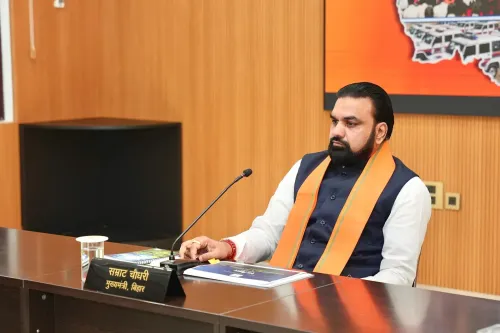
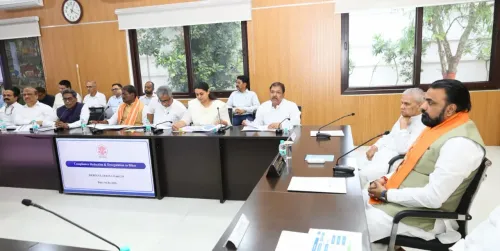
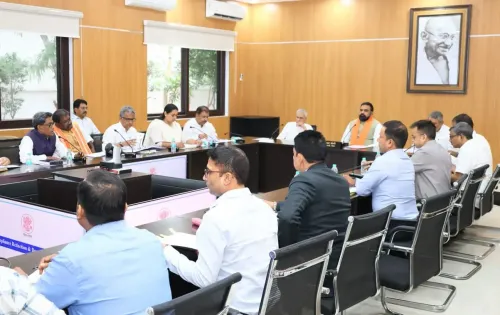
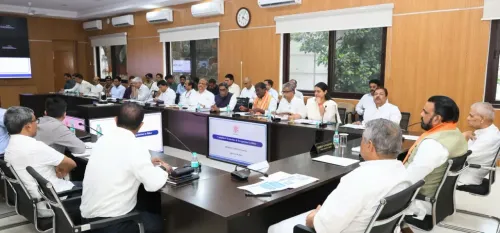
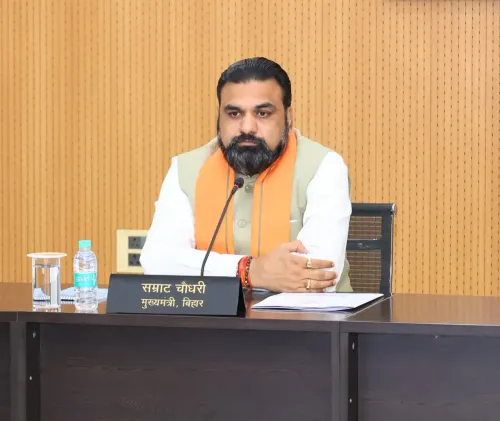
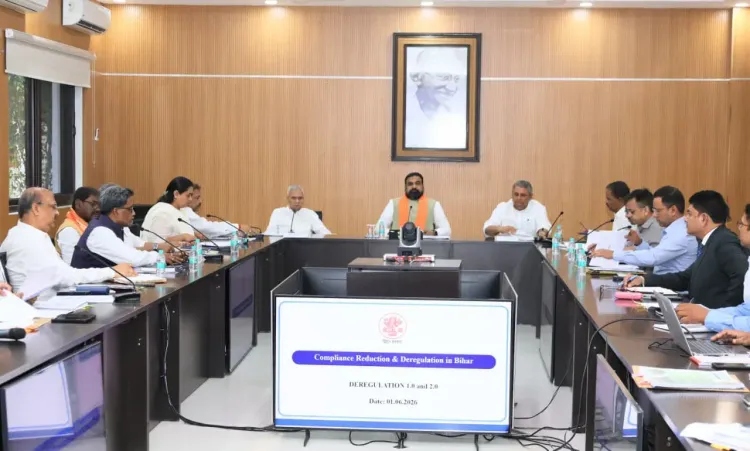
The Chief Minister's Office of Bihar on Monday, June 1, 2026 shared that Chief Minister Nitish Kumar directed officials during a high-level meeting to eliminate unnecessary compliances and create a more conducive environment for investment and business in the state.
Context
During the meeting, the Chief Minister was quoted as saying: 'anawashyak anupaalanon ko samapt kar rajya mein nivesh evam vyavsay ke liye adhik sugam aur anukul vatavaran sunishchit kiya jaye' — meaning, 'unnecessary compliances must be eliminated to ensure a more accessible and favourable environment for investment and business in the state.' The directive signals a fresh administrative push to reduce the regulatory load on businesses operating in Bihar.
The instruction was issued at a formal review meeting, the details of which have not been independently disclosed. The Chief Minister's Office shared the statement as part of its official communication on the matter.
Policy Backdrop
The move aligns with a broader national reform trajectory. The Department for Promotion of Industry and Internal Trade (DPIIT) launched a systematic compliance reduction drive beginning 2019–2020, urging states to prune redundant regulations that impede business entry and operations.
Indian states have since competed to improve their standings on ease-of-doing-business rankings by cutting procedural requirements. Bihar's renewed focus on compliance rationalisation fits squarely within this federal pattern of post-2014 economic reform continuity, where state governments periodically revise rules to attract domestic and foreign capital.
Stakeholders and Impact
The directive is most directly relevant to business investors, entrepreneurs, and small and medium enterprises operating in or considering entry into Bihar. Reducing compliance burdens typically lowers the cost of doing business, shortens approval timelines, and reduces opportunities for regulatory friction.
For Bihar — a state that has historically lagged larger industrial states in attracting private investment — such administrative signals carry weight. Streamlining regulations can improve investor confidence and contribute to job creation in a state with a large and young workforce.
What's Next
The key measure of intent will be whether this directive translates into formal notifications, amendments to the Bihar industrial policy, or a published list of compliances identified for removal. Analysts and industry bodies will watch for concrete compliance rationalisation orders and their measurable impact on new investment proposals in the state.
A structured follow-through — including a compliance audit framework and a timeline for implementation — would signal that this is a policy commitment rather than an aspirational directive.
Point of View
And such administrative instructions — when followed by formal policy action — can shift investor perception meaningfully. The directive also reflects the continued salience of DPIIT's compliance rationalisation agenda as a benchmark that state governments are expected to meet. The real test lies in execution: whether the meeting's instruction becomes a measurable policy output or remains an aspirational statement will determine its place in Bihar's economic reform record.
NationPress
16 Oct 2026
Frequently Asked Questions
What did Bihar CM say about business compliances?
Bihar Chief Minister directed officials on June 1, 2026 to eliminate unnecessary compliances and ensure a more accessible and favourable environment for investment and business in the state.
What is compliance rationalisation in Indian states?
Compliance rationalisation refers to the process of identifying and removing redundant or excessive regulatory requirements that businesses must meet, aimed at reducing costs and improving ease of doing business.
How does Bihar's compliance reduction align with central government policy?
It aligns with a DPIIT-led initiative begun in 2019–2020 that encouraged all Indian states to systematically review and reduce compliance burdens on businesses as part of national ease-of-doing-business reforms.
Who benefits from reducing business compliances in Bihar?
Investors, entrepreneurs, and small and medium enterprises operating in or considering entry into Bihar stand to benefit through lower regulatory costs, faster approvals, and a more predictable business environment.
What should we watch for after Bihar CM's compliance directive?
Watch for formal notifications, amendments to Bihar's industrial policy, or a published list of compliances identified for removal, which would confirm that the directive is being translated into concrete policy action.