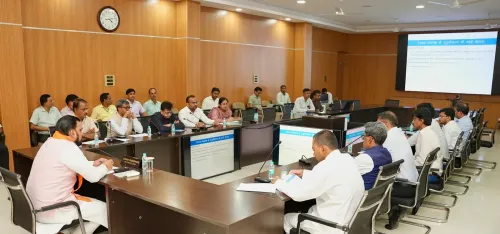
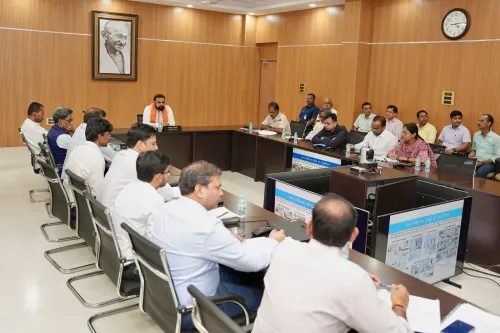
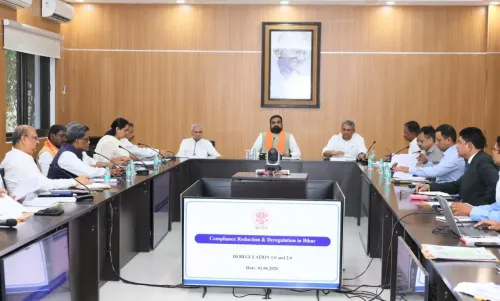
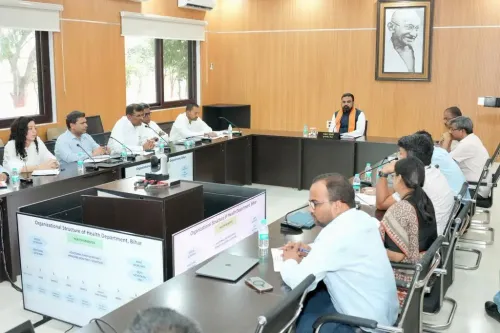
Bihar CM Office Orders End to Needless Hospital Referrals by Aug 15
Synopsis
The Chief Minister's Office of Bihar has directed all district and sub-divisional hospitals to curtail unnecessary patient referrals by 15 August 2026. District Magistrates have been assigned regular monitoring duties. The move aligns with National Health Mission goals and Ayushman Bharat objectives of reducing patient out-of-pocket costs.
Key Takeaways
The Chief Minister's Office of Bihar issued a directive on 26 May 2026 to curb unnecessary referrals from government hospitals.
All district and sub-divisional hospitals in Bihar must implement the new referral arrangement by 15 August 2026 .
District Magistrates have been directed to conduct regular monitoring of compliance at the district level.
The move is aimed at reducing patient burden and out-of-pocket costs by ensuring care is delivered at the nearest appropriate facility.
The directive aligns with the National Health Mission framework and Ayushman Bharat goals of operationalising a functional three-tier referral system.
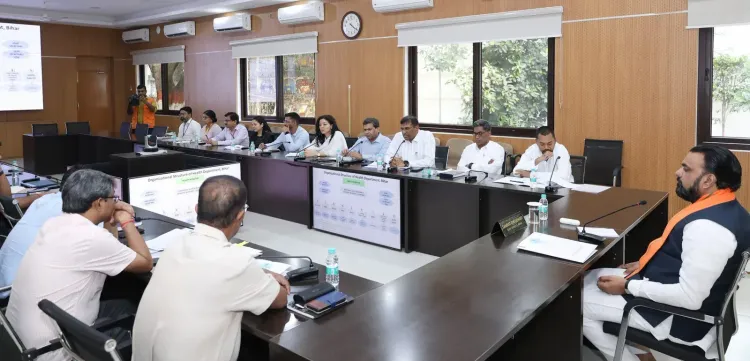
The Chief Minister's Office of Bihar posted on Tuesday, 26 May 2026, directing that unnecessary referrals from government hospitals be curtailed and a functional referral system be put in place across all district and sub-divisional hospitals in the state by 15 August 2026.
Context
The post, shared from the official @officecmbihar account, relays a high-level directive instructing that unnecessary referrals be checked 'yathāsambhav' (to the greatest extent possible) and that this arrangement be ensured across all district and sub-divisional hospitals by 15 August. District Magistrates have been tasked with conducting regular monitoring of compliance.
The directive reads: 'Instructions were given to stop unnecessary referrals to the extent possible, and to ensure this arrangement is in place at all district and sub-divisional hospitals by 15 August. District Magistrates were directed to carry out regular monitoring of the same.'
Policy Backdrop
Bihar has been part of the National Health Mission (NHM) framework since 2005, which emphasises strengthening referral protocols across primary, secondary, and tertiary care facilities. A functional three-tier referral chain — from sub-centres and primary health centres up to district hospitals — is a cornerstone of the NHM design.
Several Indian states have issued similar directives in recent years to prevent unnecessary upward referrals that overload district-level facilities and push patients toward costlier tertiary care. Such referrals also raise out-of-pocket expenditure for patients, particularly in rural areas, undermining the goals of schemes like Ayushman Bharat.
Stakeholders and Impact
The directive directly affects patients relying on Bihar's government secondary-care hospitals, which serve as the primary referral destinations for primary health centres across the state's 38 districts. Reducing unnecessary referrals is expected to ease congestion at district hospitals and ensure patients receive care closer to home.
District Magistrates — the administrative heads of each district — have been assigned monitoring responsibility, signalling that compliance will be treated as an administrative priority rather than a purely medical one. This dual health-and-administration accountability is in line with how Bihar has implemented other NHM-linked reforms.
What's Next
The 15 August 2026 deadline sets a clear milestone for the state health machinery. Compliance reports from District Magistrates are expected to feed into a state-level review of referral data from district and sub-divisional hospitals.
Whether the directive translates into measurable reduction in referral rates will depend on ground-level implementation — including staffing, diagnostics availability, and specialist presence at district hospitals. The outcome of this drive could inform Bihar's broader secondary-care strengthening agenda in the months ahead.
Point of View
The state is signalling that health delivery will be treated as a governance metric. The 15 August deadline, coinciding with Independence Day, adds symbolic weight and creates a public accountability moment. If enforced, this could mark a meaningful step toward Bihar's long-stated goal of reducing tertiary-care congestion and out-of-pocket spending under the Ayushman Bharat framework.
NationPress
11 Oct 2026
Frequently Asked Questions
What is the Bihar government's new directive on hospital referrals?
The Chief Minister's Office of Bihar has directed that unnecessary patient referrals be stopped to the greatest extent possible, and that all district and sub-divisional hospitals implement this system by 15 August 2026.
Who will monitor the referral reform in Bihar hospitals?
District Magistrates across Bihar's 38 districts have been directed to conduct regular monitoring of compliance with the new referral directive at district and sub-divisional hospitals.
Why are unnecessary hospital referrals a problem in Bihar?
Unnecessary referrals push patients from local government hospitals to higher-level or private facilities, increasing out-of-pocket costs and overloading district hospitals, undermining the goals of schemes like Ayushman Bharat and the National Health Mission.
What is the deadline for Bihar hospitals to implement the new referral system?
The deadline is 15 August 2026, by which all district and sub-divisional hospitals in Bihar must have the new referral arrangement in place.
How does this Bihar directive relate to the National Health Mission?
Bihar has been part of the National Health Mission since 2005, which mandates a functional three-tier referral system. This directive is a step toward operationalising that framework by reducing avoidable upward referrals.