Bihar CM Orders SSB-Police Coordination to Crack Mule Accounts
Synopsis
Bihar's Chief Minister has directed the SSB, Bihar Police, and central agencies to strengthen coordination, mandate monthly meetings in border districts, and identify and act on suspicious mule bank accounts — escalating the state's response to cross-border crime and cyber-enabled financial fraud along the Indo-Nepal frontier.
Key Takeaways
Bihar's Chief Minister issued directives on 26 September 2026 to tighten security coordination along the state's Nepal border.
The Sashastra Seema Bal (SSB) , Bihar Police , and central agencies have been directed to strengthen inter-agency coordination.
Regular monthly coordination meetings are mandated specifically for Bihar's border districts adjoining Nepal.
Authorities are instructed to identify suspicious and fraudulent mule bank accounts and ensure necessary legal action.
The move aligns with nationwide efforts to combat cyber-enabled financial crime and cross-border criminal networks exploiting the open Indo-Nepal border.
Implementation consistency — whether monthly meetings are actually convened and mule accounts acted upon — will determine the directive's real impact.
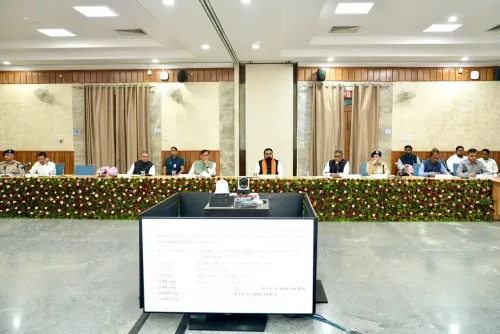
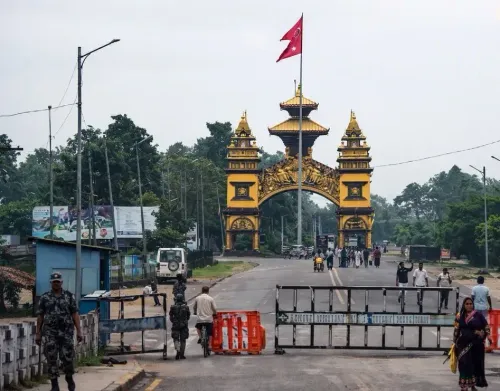
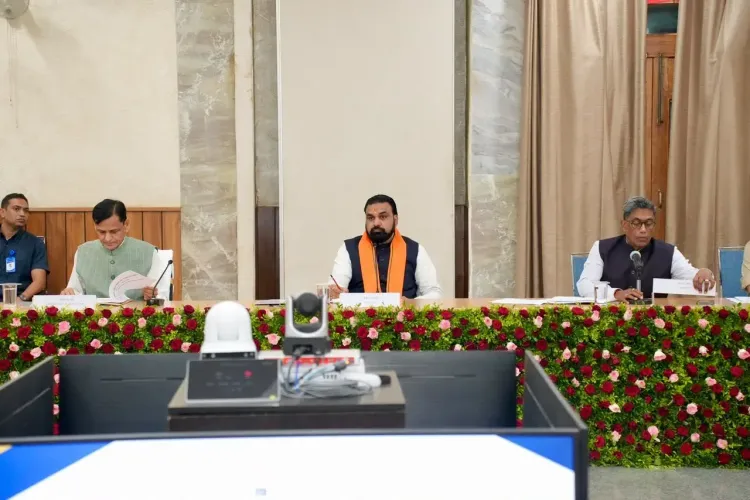
Bihar's open border with Nepal has long been a pressure point for smuggling, trafficking, and financial crime — and on Saturday, 26 September 2026, the Chief Minister's Office of Bihar signalled a harder stance, issuing a set of pointed operational directives aimed at tightening the seams between state and central security machinery.
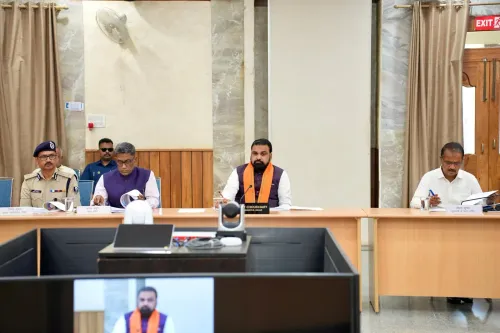
The Chief Minister directed that coordination between the Sashastra Seema Bal (SSB), Bihar Police, and central agencies be strengthened — and, crucially, that regular monthly coordination meetings be convened specifically in border districts. A third directive zeroed in on the financial underbelly of cross-border crime: the identification of suspicious and fraudulent mule bank accounts, with instructions to ensure necessary action follows.
Why the SSB-Bihar Police gap matters on the Nepal frontier
The SSB, redesignated in 2001 to guard India's open borders with Nepal and Bhutan, operates under central command while Bihar Police answers to the state government. That structural divide has historically created coordination gaps that criminal networks — running everything from fake currency to narcotics and, increasingly, cyber-fraud money mule operations — have learned to exploit.
Bihar's border districts sit on one of South Asia's most porous frontiers: the Indo-Nepal border requires no passport, making it attractive for rapid cross-border movement of people, goods, and money. Monthly mandated meetings between SSB, state police, and central agencies are designed to close the intelligence-sharing lag that lets suspects vanish across district or national lines before action can be coordinated.
Mule bank accounts: the financial nerve of cross-border fraud
The directive on mule bank accounts connects to a nationwide concern. Mule accounts — legitimate accounts rented or coerced from account holders to launder proceeds of cyber fraud, trafficking, or smuggling — have become the preferred financial plumbing for criminal networks operating across the open Nepal border. State governments across India have accelerated joint mechanisms to flag and freeze these accounts; Bihar's directive institutionalises that push at the border-district level.
The move aligns with broader drives against cyber-enabled financial crime, where the account holder may be an unwitting resident of a Seemanchal district while the ultimate beneficiary sits in a different country entirely. Identifying and acting on these accounts requires precisely the kind of SSB-police-central agency data fusion the CM has now mandated.
Turning directives into monthly meetings
The real test will be implementation. Periodic state-central coordination on border crime has existed as a practice in Bihar since at least the mid-2010s, but consistency has varied. A formal mandate for monthly meetings in notified border districts raises the accountability bar — the question is whether that cadence holds, and whether identified mule accounts translate into publicly reported enforcement action.
For residents of Bihar's border belt, the directives represent a direct engagement with the security anxieties that define daily life along the frontier. For the state's banking customers more broadly, a systematic crackdown on mule networks offers the prospect of reduced exposure to fraud chains that frequently trace back to this border corridor.
The infrastructure of coordination is being bolted together — now the monthly calendar must fill it with results.
Point of View
But the history of similar drives in Bihar suggests the gap between announcement and sustained enforcement is where the real challenge lies. The focus on mule bank accounts signals that this is not merely a law-and-order exercise but a financial-intelligence push, aligning Bihar with the Centre's broader counter-cyber-fraud architecture. Whether the state can convert a formal directive into measurable enforcement data will be the metric that determines its political and operational credibility.
NationPress
26 Sept 2026
Frequently Asked Questions
What did Bihar CM direct regarding the SSB and Bihar Police?
The Bihar Chief Minister directed the Sashastra Seema Bal, Bihar Police, and central agencies to strengthen coordination, hold regular monthly meetings in border districts, and identify and act on suspicious mule bank accounts along the Nepal frontier.
What are mule bank accounts and why are they a concern in Bihar?
Mule bank accounts are legitimate accounts used — often without the account holder's full knowledge — to launder proceeds from cyber fraud, trafficking, or smuggling. Bihar's open border with Nepal makes these accounts a key node in cross-border criminal financial networks.
What is the SSB's role in Bihar's border security?
The Sashastra Seema Bal is a central paramilitary force designated since 2001 to guard India's open borders with Nepal and Bhutan, including the stretches running through Bihar's border districts.
Why are monthly coordination meetings being mandated for Bihar's border districts?
Monthly meetings between SSB, Bihar Police, and central agencies are intended to close intelligence-sharing gaps that allow suspects to cross district or national lines before coordinated action can be taken.
How does this Bihar directive connect to national cyber-fraud crackdowns?
State governments across India have been accelerating joint mechanisms to detect and freeze mule accounts used in cyber fraud; Bihar's directive institutionalises that approach specifically at the border-district level, aligning with the Centre's wider counter-cyber-fraud drive.