Bihar CM Samrat Choudhary marks Somnath Swabhiman Parv
Synopsis
Bihar Chief Minister Samrat Choudhary joined the #SomnathSwabhimanParv conversation on X on 20 July 2026, invoking the ancient Jyotirlinga shrine in Gujarat as a symbol of civilisational pride — a move consistent with BJP's pan-India cultural outreach strategy.
Key Takeaways
Bihar Chief Minister Samrat Choudhary posted on X on 20 July 2026 marking #SomnathSwabhimanParv .
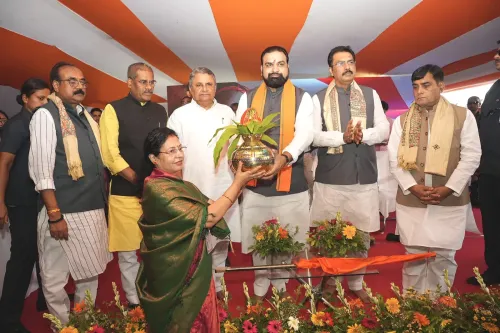
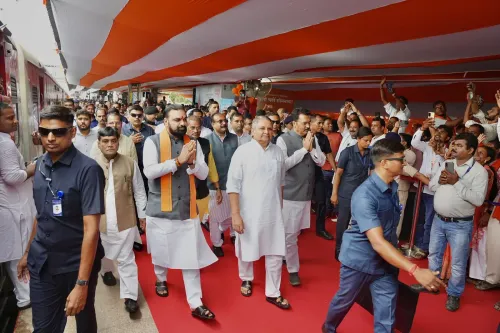
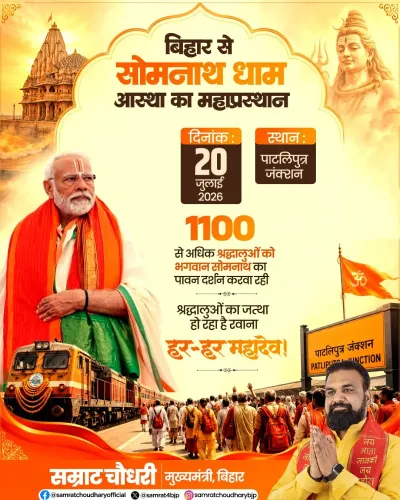
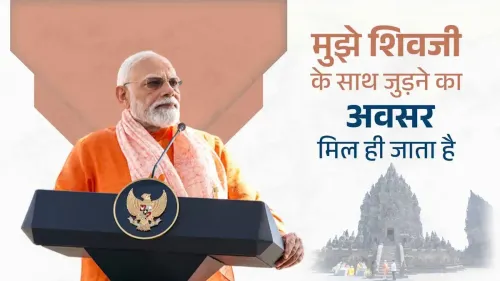
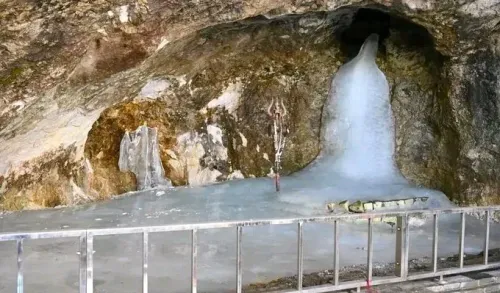
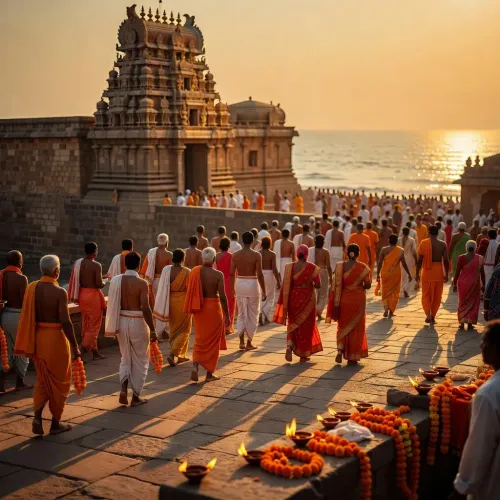
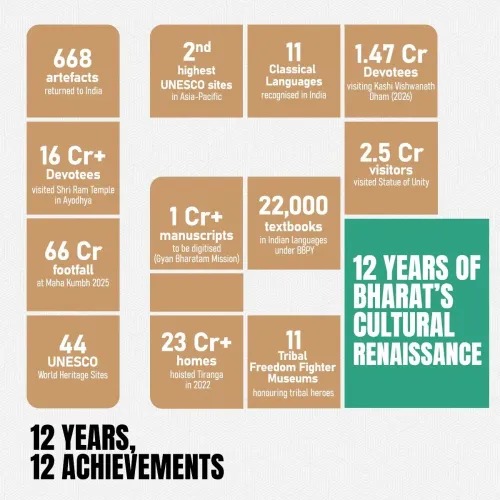
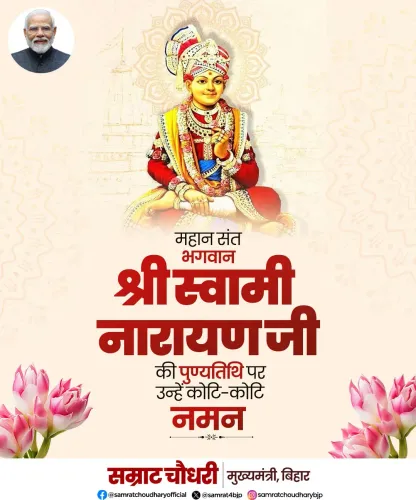
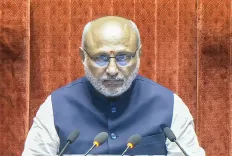
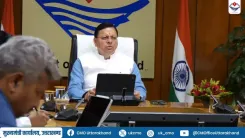
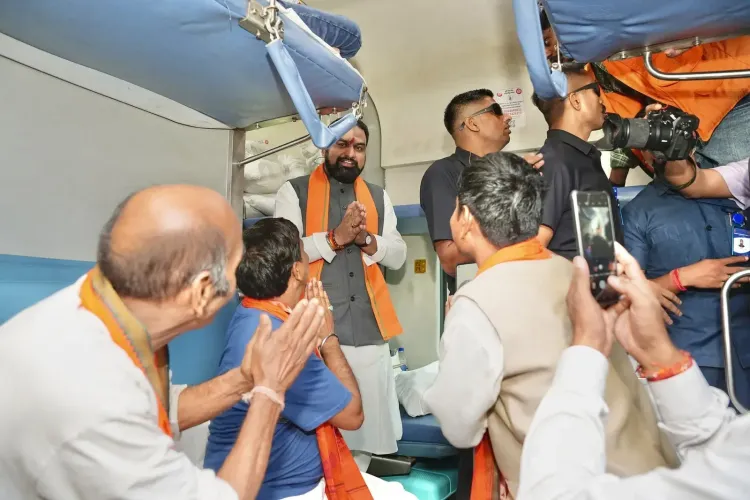
The post carried four images and used the hashtag as its primary message, with no extended text.
The Somnath Temple in Prabhas Patan, Gujarat is one of India's twelve Jyotirlingas and was reconstructed and inaugurated in 1951 under Sardar Patel and K.M.
BJP leaders across states have regularly referenced Somnath as a symbol of cultural resilience and Hindu heritage restoration.
Observers will watch for any formal Bihar-Gujarat cultural-exchange or pilgrimage-tourism announcements following the post.
Bihar Chief Minister Samrat Choudhary on Monday, 20 July 2026, shared a post on X marking #SomnathSwabhimanParv, joining a wave of BJP leaders invoking the historic Somnath Temple in Prabhas Patan, Gujarat, as a symbol of civilisational pride and cultural continuity.
Context
The hashtag #SomnathSwabhimanParv — loosely translated as the 'Festival of Somnath Self-Respect' — trended among BJP functionaries and supporters on the evening of 20 July 2026. Choudhary's post, accompanied by four images, placed Bihar's top executive within a broader national conversation centred on the Somnath shrine. The post's language was visual rather than textual, letting the hashtag and imagery carry the message.
Policy Backdrop
The Somnath Temple holds a layered place in India's post-Independence political memory. Its modern reconstruction was championed by Sardar Vallabhbhai Patel and K.M. Munshi and inaugurated in 1951, an act the BJP and its ideological predecessors have long cited as a milestone in the restoration of Hindu heritage. The temple, one of the twelve Jyotirlingas (sacred Shiva shrines), draws millions of pilgrims annually to the Saurashtra coast of Gujarat. BJP leaders across states have periodically referenced Somnath in public messaging, framing it as evidence of cultural resilience after centuries of foreign invasions and destruction.
State-level figures from non-Gujarat BJP governments have increasingly participated in Gujarat-centred heritage events, reflecting the party's effort to weave a pan-India cultural narrative that transcends regional boundaries. For Bihar, a state with deep Shaivite traditions, the reference carries resonance among a significant section of the electorate.
Stakeholders and Impact
BJP workers and Hindu pilgrims are the primary audience for such messaging. For the party's base, Somnath symbolises the arc from historical loss to contemporary restoration — a narrative the BJP has cultivated consistently since the 1990s Ram Janmabhoomi movement. Choudhary's participation signals alignment with the party's central cultural agenda even as he manages a state far removed geographically from Gujarat. The post also subtly reinforces Bihar's connectivity to national BJP campaigns ahead of any future electoral cycles.
For pilgrims and heritage tourism stakeholders, high-profile political endorsements of Somnath periodically translate into increased visitor interest and state-level tourism promotion. Any follow-up announcements linking Bihar and Gujarat in formal cultural-exchange or temple-tourism frameworks would be the next concrete development to watch.
What's Next
Observers will watch whether #SomnathSwabhimanParv is followed by formal state-level announcements — such as Bihar-Gujarat cultural-exchange memoranda, pilgrimage facilitation schemes, or heritage tourism packages — that give institutional weight to the symbolic gesture. Chief Minister Choudhary's participation in a Gujarat-linked cultural event also raises the possibility of coordination with the Somnath Temple Trust or central government heritage bodies. As the BJP continues to use shared cultural landmarks to build cohesion across its state units, Bihar's role in that network is likely to grow more visible.
Point of View
Effectively nationalising what might otherwise be a regional cultural moment. Whether this translates into concrete Bihar-Gujarat institutional cooperation, or remains a symbolic digital gesture, will determine its lasting political weight.
NationPress
21 Jul 2026
Frequently Asked Questions
What is Somnath Swabhiman Parv?
Somnath Swabhiman Parv, translating roughly to the 'Festival of Somnath Self-Respect,' is a cultural observance promoted by BJP leaders to celebrate the heritage and historical significance of the Somnath Temple in Gujarat.
Why did Bihar CM Samrat Choudhary post about Somnath?
Choudhary posted on X on 20 July 2026 using the hashtag #SomnathSwabhimanParv, joining BJP leaders nationwide in marking the occasion as a symbol of civilisational pride and cultural continuity.
Where is the Somnath Temple located?
The Somnath Temple is located in Prabhas Patan, on the Saurashtra coast of Gujarat. It is one of the twelve Jyotirlingas — the most sacred Shiva shrines in Hinduism.
Who rebuilt the Somnath Temple after Independence?
The modern reconstruction of the Somnath Temple was championed by Sardar Vallabhbhai Patel and K.M. Munshi and the temple was inaugurated in 1951.
What is the significance of Somnath for the BJP?
The BJP and its ideological predecessors have long cited the post-Independence reconstruction of Somnath as a milestone in restoring Hindu heritage, making it a recurring reference point in the party's cultural messaging.