Bihar CMO: Jobs and Skills to Cut Human Trafficking Risk
Synopsis
The Chief Minister's Office of Bihar announced on 8 August 2026 that the state is expanding local employment and skill development to reduce human trafficking risk, while committing to full rehabilitation — including jobs and social reintegration — for survivors.
Key Takeaways
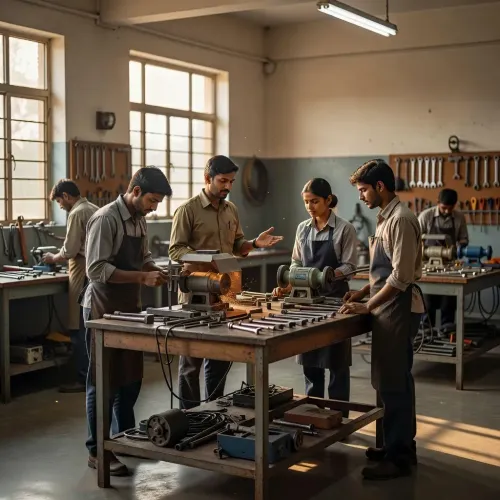
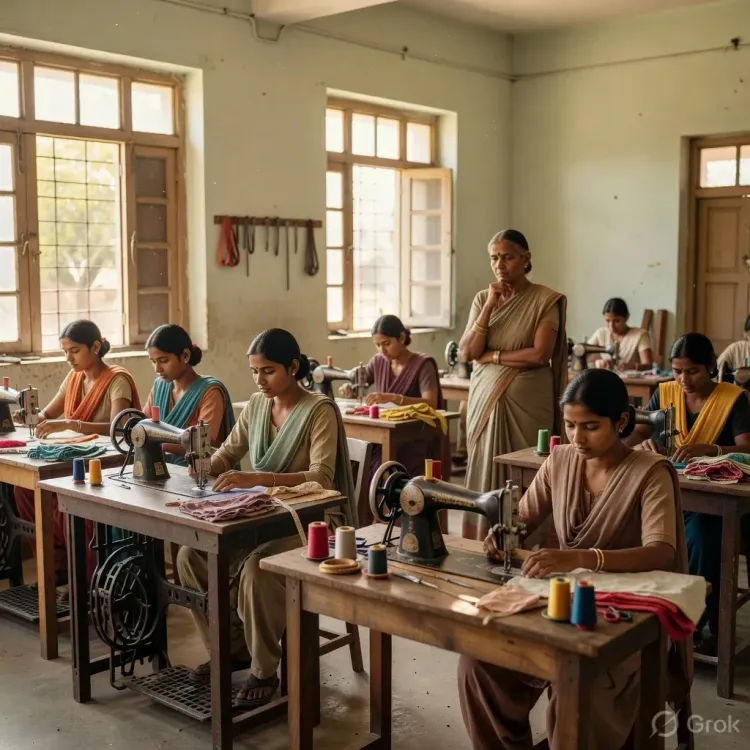
The Bihar CMO announced on 8 August 2026 that local employment and skill development opportunities are being expanded to reduce human trafficking vulnerability.
The government's stated goal covers the full continuum: rescue, rehabilitation, skill development, employment, and social reintegration of trafficking victims.
Bihar has historically recorded high rates of distress migration linked to trafficking, particularly affecting women and children from rural districts.
The Bihar Skill Development Mission forms the existing policy backbone being extended to serve anti-trafficking objectives.
District-level rollout of skill centres and official trafficking and rehabilitation data will be the key indicators of on-ground impact.
Bihar is confronting one of its most persistent social crises — human trafficking — not just at the point of rescue, but at the root. The Chief Minister's Office of Bihar reaffirmed on Saturday, 8 August 2026 that the state is expanding local employment and skill development opportunities as a frontline strategy to reduce trafficking vulnerability.
Posting in Hindi, the CMO stated: 'Local-level employment and skill development opportunities are being expanded to reduce the risk of human trafficking. The government's goal is not only to free victims from the clutches of traffickers, but also to ensure their rehabilitation, skill development, employment, and social reintegration.'
Why local jobs are Bihar's anti-trafficking shield
The logic is direct: when rural youth — particularly women and children from Bihar's most economically distressed districts — lack viable work close to home, distress migration fills the gap. And distress migration is the corridor through which traffickers operate. Bihar has long recorded among the highest rates of trafficking-linked migration in India, a pattern rooted in decades of agrarian underemployment and limited industrial presence in rural areas. The Bihar Skill Development Mission, launched in earlier years to improve youth employability and slow out-migration, forms the policy backbone of this approach. The CMO's statement signals that this framework is now being explicitly linked to anti-trafficking goals — a significant framing that positions skill centres as protective infrastructure, not merely economic tools.Rescue is only the beginning
The CMO's statement is notable for what it says about survivors. The government's articulated commitment goes beyond interception: rehabilitation, skill training, employment linkage, and social reintegration are named as co-equal goals. This four-part framework reflects a broader shift in how Indian states are approaching trafficking — from a law-enforcement problem to a social-welfare continuum. For survivors, reintegration has historically been the weakest link. Stigma, lack of documentation, and absence of sustained economic support have pushed many back into vulnerability. A state-backed commitment to employment and social restoration — if matched by district-level delivery — could meaningfully change those odds. The district-level rollout of expanded skill centres, and whether official data on trafficking cases and rehabilitation outcomes reflects progress, will be the real measure of this commitment.Point of View
Skill training, employment, social reintegration) mirrors best-practice frameworks, but Bihar's implementation capacity at the district level will determine whether the statement translates into measurable outcomes. Politically, the announcement positions the Nitish Kumar-led administration as proactive on a welfare issue that draws both national and international scrutiny.
NationPress
8 Aug 2026
Frequently Asked Questions
What is Bihar doing to prevent human trafficking?
The Bihar government is expanding local employment and skill development opportunities at the district level to reduce the economic vulnerability that drives distress migration and trafficking risk.
How does Bihar rehabilitate human trafficking victims?
Bihar's stated approach covers rescue, rehabilitation, skill development, employment linkage, and social reintegration — a four-part continuum designed to prevent survivors from falling back into vulnerability.
What is the Bihar Skill Development Mission?
The Bihar Skill Development Mission is a state programme launched to improve youth employability and reduce out-migration, and is now being explicitly connected to anti-trafficking prevention goals.
Why is Bihar particularly vulnerable to human trafficking?
Bihar has long recorded high rates of distress migration, driven by agrarian underemployment and limited rural industry, which creates the conditions traffickers exploit — particularly targeting women and children.
What should we watch for in Bihar's anti-trafficking rollout?
Key indicators will be the expansion of district-level skill centres and changes in official data on trafficking cases and rehabilitation success rates in coming state government releases.