Bihar CMO: Road upgrades to boost trade, farms, tourism
Synopsis
The Chief Minister's Office of Bihar has said upgraded roads will deliver safer, faster movement of goods and passengers, lifting trade, agriculture, industry and tourism. The statement reinforces the state's long-standing positioning of road connectivity as a core economic multiplier under Chief Minister Nitish Kumar.
Key Takeaways
The Chief Minister's Office of Bihar posted on 3 June 2026 on the economic gains expected from road upgradation.
The statement projects reduced travel time, safer commutes and faster goods movement.
Trade, agriculture, industry and tourism are flagged as the four key beneficiary sectors.
The messaging extends Nitish Kumar's long-running prioritisation of road connectivity since 2005.
Execution typically runs through the Bihar Public Works Department for state highways and district roads.
Next signposts include budget allocations and fresh tenders for highway stretches.
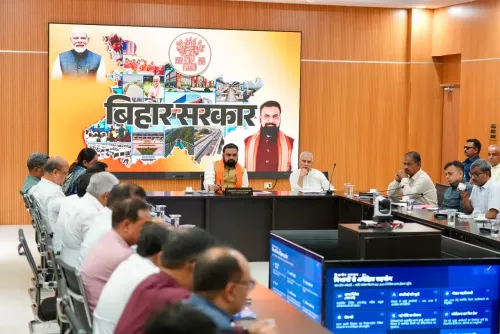
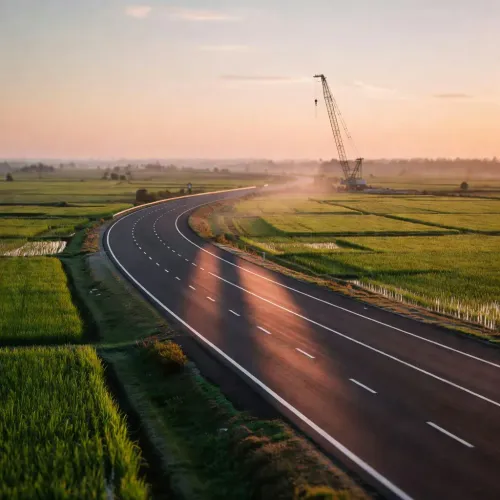
The Chief Minister's Office of Bihar on Wednesday, 3 June 2026, projected wide-ranging economic dividends from the state's ongoing road upgradation drive, asserting that improved highways will compress travel time, lift the safety of commuters and accelerate the movement of goods and passengers. The post, issued from Patna, framed road modernisation as a multiplier for trade, agriculture, industry and tourism across Bihar.
In the post, the CMO stated that 'after the road upgradation, movement will become more convenient and safer, travel time will reduce and social and economic activities will receive a fresh impetus.' It added that 'with faster movement of goods and passengers, the trade, agriculture, industry and tourism sectors will benefit.' The original Hindi phrasing — 'सड़क उन्नयन के बाद आवागमन अधिक सुगम एवं सुरक्षित होगा' (after road upgradation, movement will be more convenient and safer) — anchored the official messaging.
Context
The statement extends a familiar line from the Bihar government's communications playbook, in which road connectivity is positioned as a foundational lever for the state's economic transformation. The CMO's emphasis on faster freight and passenger movement signals continued political ownership of the infrastructure agenda under Chief Minister Nitish Kumar.
While the post did not name a specific stretch, scheme or sanctioned cost, it slots into a broader narrative the state has built around upgrading state highways and major district roads alongside national corridors.
Policy backdrop
Road construction was elevated to a top governance priority in Bihar shortly after Nitish Kumar first assumed office in 2005, and successive administrations have used highway and rural road programmes as a visible marker of delivery. Execution typically runs through the Bihar Public Works Department, which handles state highway and major district road upgrades, while national stretches are taken up under central frameworks.
The current push mirrors elements of the national Bharatmala approach, but with a sharper focus on intra-state arteries that historically lagged investment. Linking road quality to agricultural marketing, small industry growth and tourism footfall has been a consistent theme in the state's budget speeches and project announcements.
Stakeholders and impact
The CMO's framing directly addresses four constituencies. Farmers stand to gain from shorter farm-to-mandi times and reduced post-harvest losses, particularly for perishable produce moving out of north Bihar's agrarian belts.
For traders and small industrial units, faster goods movement can lower logistics costs and improve turnaround for supply chains tied to neighbouring states and ports. Tour operators have long flagged road quality as a binding constraint on circuits connecting Bodh Gaya, Nalanda, Rajgir and Vaishali — sites that draw both domestic pilgrims and international visitors.
Commuters in semi-urban and rural Bihar, who rely heavily on shared transport, are the most immediate beneficiaries of safer carriageways and reduced travel time. The CMO's reference to 'social and economic activities' receiving a fresh impetus reflects this everyday dimension.
What's next
Attention will turn to progress reports on sanctioned road stretches in the next state budget cycle, and to any fresh tenders — including public-private partnership models — for highway stretches that the state may float in the coming months. Disclosures on completion timelines, contractor performance and audited project costs will determine whether the messaging translates into measurable change on the ground.
If the upgradation drive maintains pace, Bihar's pitch to investors in agro-processing, light manufacturing and hospitality could gain firmer footing, with road quality serving as the first checkpoint for industrial site selection and tourism circuit planning.
Point of View
And the CMO is reinforcing it as the state heads deeper into its next budget cycle. By tying upgradation directly to agriculture, industry and tourism, the messaging pre-empts opposition critique on jobs and growth. The real test, however, lies in audited completion data and PPP traction, not in the framing itself.
NationPress
18 Oct 2026
Frequently Asked Questions
What did the Bihar Chief Minister's Office say about road upgradation?
The Chief Minister's Office of Bihar said road upgradation will make travel more convenient and safer, reduce journey time and give fresh impetus to social and economic activity. It added that faster movement of goods and passengers will benefit trade, agriculture, industry and tourism.
Which sectors will benefit from Bihar's road upgrades?
Four sectors were specifically named: trade, agriculture, industry and tourism. The state expects shorter farm-to-market times for produce, lower logistics costs for businesses and better access to tourism circuits.
Who is leading Bihar's road development push?
Chief Minister Nitish Kumar has driven the road agenda since 2005, with execution handled by the Bihar Public Works Department for state highways and major district roads. National corridors are taken up under central frameworks.
How does Bihar's road plan compare with national programmes?
The state's approach mirrors elements of the national Bharatmala framework but focuses more sharply on state highways and district roads that have historically received less investment. The aim is to strengthen intra-state connectivity alongside national corridors.
What should be tracked next on Bihar road projects?
Watch for progress reports on sanctioned road stretches in the upcoming state budget and any new public-private partnership tenders for highway projects. Completion timelines and project costs will indicate real delivery.