Bihar CM's Office: 20 new sports complexes to be built
Synopsis
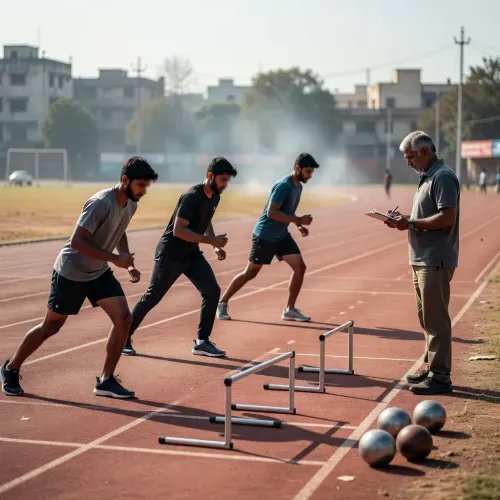
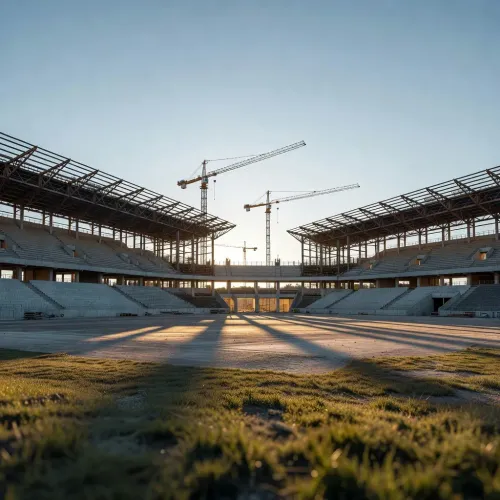
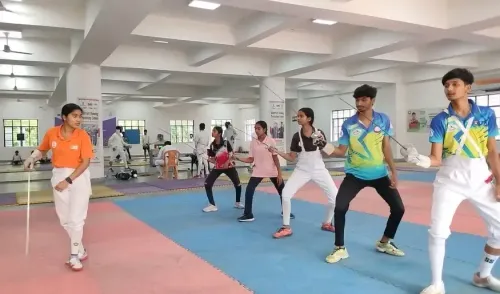
The Chief Minister's Office of Bihar announced construction of 20 new sports complexes to improve athlete facilities and position Bihar as a major hub for national and international sporting events, signalling the state's most concentrated sports infrastructure push in recent years.
Key Takeaways
20 new sports complexes are under construction across Bihar, per the Chief Minister's Office.
The stated goal is to make Bihar a ' prominent centre for national and international sports events .' The initiative aligns with the Union government's Khelo India programme, which has been building grassroots sports infrastructure since 2017 .
Bihar has 38 districts ; broad distribution of complexes could give athletes near-universal access to competitive-grade facilities.
Key milestones to watch: tender awards, land acquisition, and completion timelines — plus any bids to host Khelo India Games or national championships.
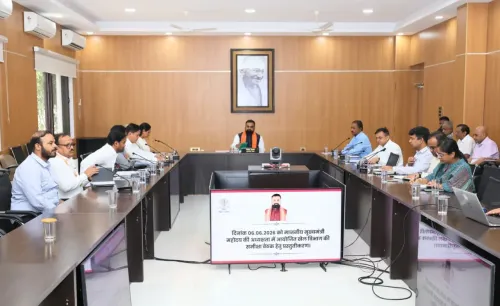
Bihar is building 20 new sports complexes with the declared aim of transforming the state into a leading hub for national and international sporting events — an ambition the Chief Minister's Office of Bihar spelt out on Sunday, 1 November 2026. The announcement signals the most concentrated push for sports infrastructure the state has outlined in recent memory.
The official post, in Hindi, stated: 'बिहार में खिलाड़ियों को बेहतर सुविधाएं उपलब्ध कराने के उद्देश्य से 20 नए खेल कॉम्प्लेक्स का निर्माण किया जा रहा है' — ('20 new sports complexes are being constructed to provide better facilities to athletes in Bihar'). The stated goal: to develop Bihar as a 'prominent centre for national and international sports events.'
Why Bihar's sports gap has mattered
For decades, Bihar's athletes have had to leave the state to access quality training infrastructure — travelling to Jharkhand, Delhi, or Haryana for facilities that should ideally exist at home. The talent has never been in doubt; the ecosystem has. That structural gap is precisely what the 20-complex programme is designed to close.
The push also aligns with the Union government's Khelo India programme, launched in 2017, which has steadily channelled investment into district-level sports infrastructure across states. Bihar's announcement fits squarely into that national template of building training pipelines beyond traditional metro sports hubs.
20 complexes: what the scale means for Bihar's athletes
Twenty complexes, if distributed across Bihar's 38 districts, would represent near-universal geographic reach — putting competitive-grade facilities within practical distance of athletes in even the state's more remote blocks. That kind of decentralisation is the difference between a sports policy and a sports system.
The announcement also carries an implicit bid for event hosting rights. States with credible multi-venue infrastructure are better positioned to pitch for Khelo India Games, national championships, and eventually, international-tier competitions. Bihar has the population base; the infrastructure has been the missing credential.
What to watch as construction progresses
The critical tests now are execution: tender timelines, land acquisition, and phased completion schedules will determine whether this is a landmark infrastructure push or a headline that stalls in bureaucratic mud. Bids to host major national sporting events would serve as the clearest external validation that the construction is genuinely on track.
Bihar's young athletes — and the state's growing sports associations — are watching the groundwork, not the announcement. The complexes cannot arrive soon enough.
Point of View
A coveted tool for state-level visibility and economic activity. If executed, 20 complexes spread across 38 districts would represent a structural shift in Bihar's sports ecosystem, not merely an incremental upgrade. The Khelo India alignment is smart politics too: it opens a channel for central funding that insulates the project from state-budget fluctuations. The real test of political will arrives at the tender and land-acquisition stage, where most ambitious state infrastructure announcements historically slow or stall.
NationPress
2 Nov 2026
Frequently Asked Questions
How many new sports complexes is Bihar building?
Bihar is constructing 20 new sports complexes , as announced by the Chief Minister's Office on 1 November 2026, to provide better facilities for athletes across the state.
What is the goal of Bihar's new sports infrastructure?
The stated goal is to develop Bihar as a 'prominent centre for national and international sports events,' giving local athletes world-class training facilities closer to home.
Is Bihar's sports complex plan linked to the Khelo India programme?
The Bihar initiative aligns closely with the Union government's Khelo India programme, launched in 2017, which funds district-level sports infrastructure across Indian states, though a direct funding link for this specific announcement has not been confirmed.
Which districts in Bihar will get new sports complexes?
Specific district-wise allocations for the 20 complexes have not yet been officially disclosed. With Bihar having 38 districts, a wide geographic spread would be needed to reach all athletes.
When will Bihar's new sports complexes be completed?
The Chief Minister's Office has not specified completion timelines in this announcement. Tender awards and construction schedules are the next milestones to watch.